
Andre Courreges and the Fashion Code of the Future
Meet Andre Courreges, the Balenciaga-trained designer whose white boots, geometric dresses and clean Space Age futurism reshaped 1960s fashion.
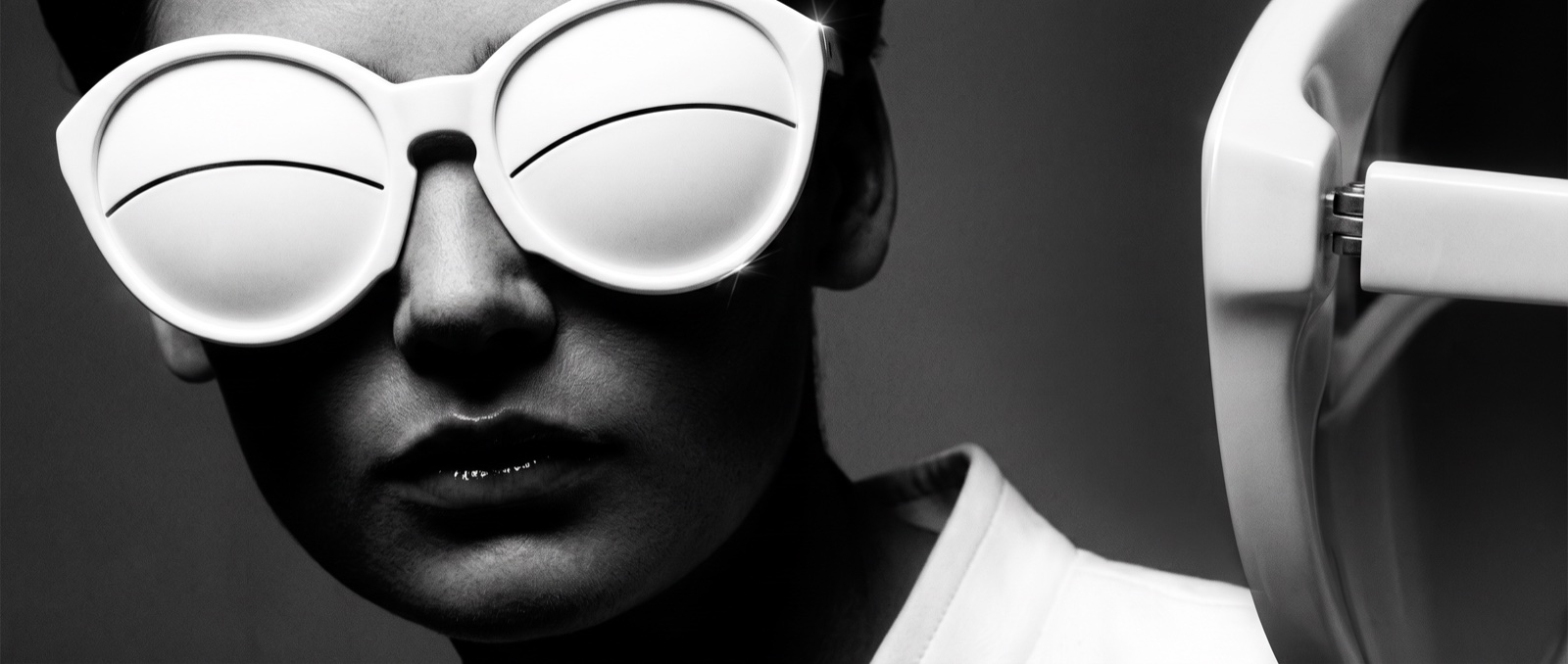

Andre Courreges is one of those designers whose work still looks fast. Not loud, not chaotic, but fast: white, clean, short, geometric and ready to move.
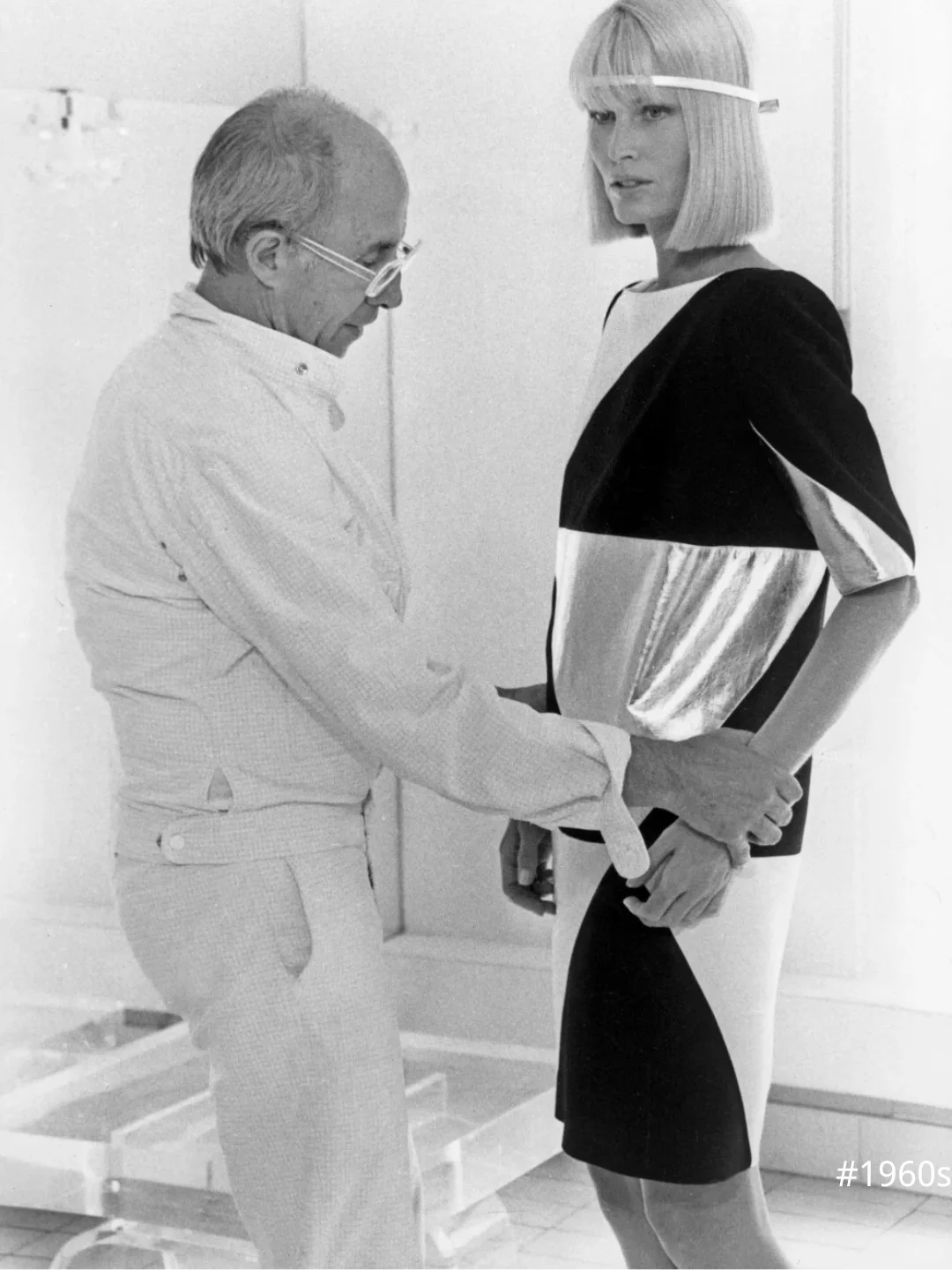
The first fact to correct is important. Courreges did not come out of Dior. His major apprenticeship was at Balenciaga, where he worked through the 1950s and absorbed a deep respect for cut, structure and architectural shape before opening his own house in 1961 with Coqueline Courreges.
That correction makes the story stronger, not weaker. The retrofuturism he built was not random sci-fi decoration. It came from serious couture discipline.
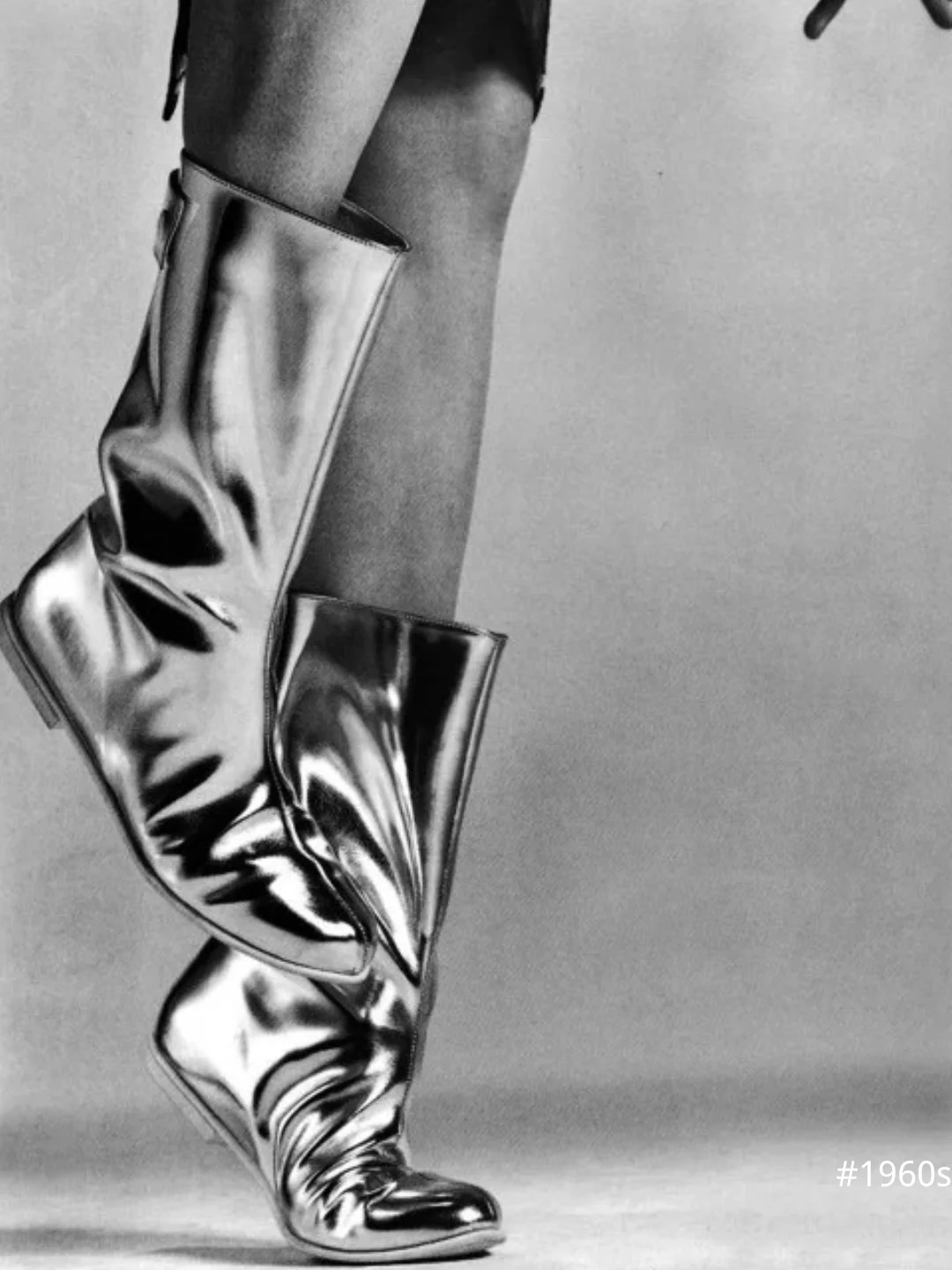
From tailoring discipline to the Space Age
Courreges was born in Pau in 1923 and trained with an engineer’s interest in structure before moving into fashion. By the early 1960s, he had turned that eye into a new fashion grammar: spare lines, short skirts, trouser suits, white boots, helmet-like hats and clothes that let women move.
His Space Age language is usually placed in the early to mid 1960s, with the 1964 collections often treated as the breakthrough moment. The clothes were futuristic, but not in a dark or destructive way. They were optimistic, ordered and almost industrial in their brightness.
The triangle dress and the architecture of the body
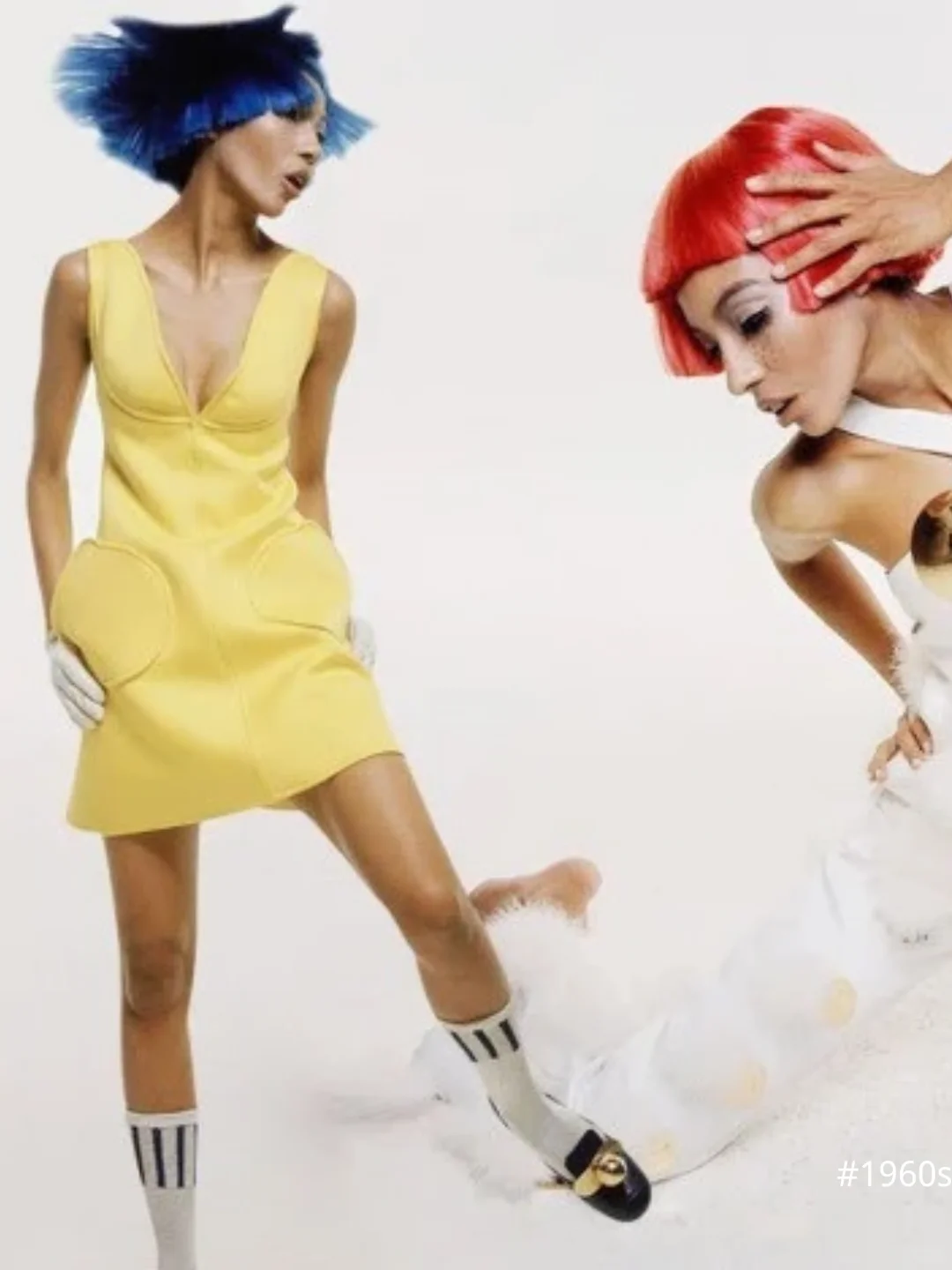
Courreges made geometry feel young. The point was not decoration. It was proportion: A-line and trapeze shapes, clean seams, primary colors, white space and silhouettes that looked built rather than draped.
He was even nicknamed the “Le Corbusier of couture,” which tells you a lot about how his work was understood. Like modernist architecture, it favored structure, clarity and a belief that design could reorganize daily life.
The Audrey Hepburn note needs tightening
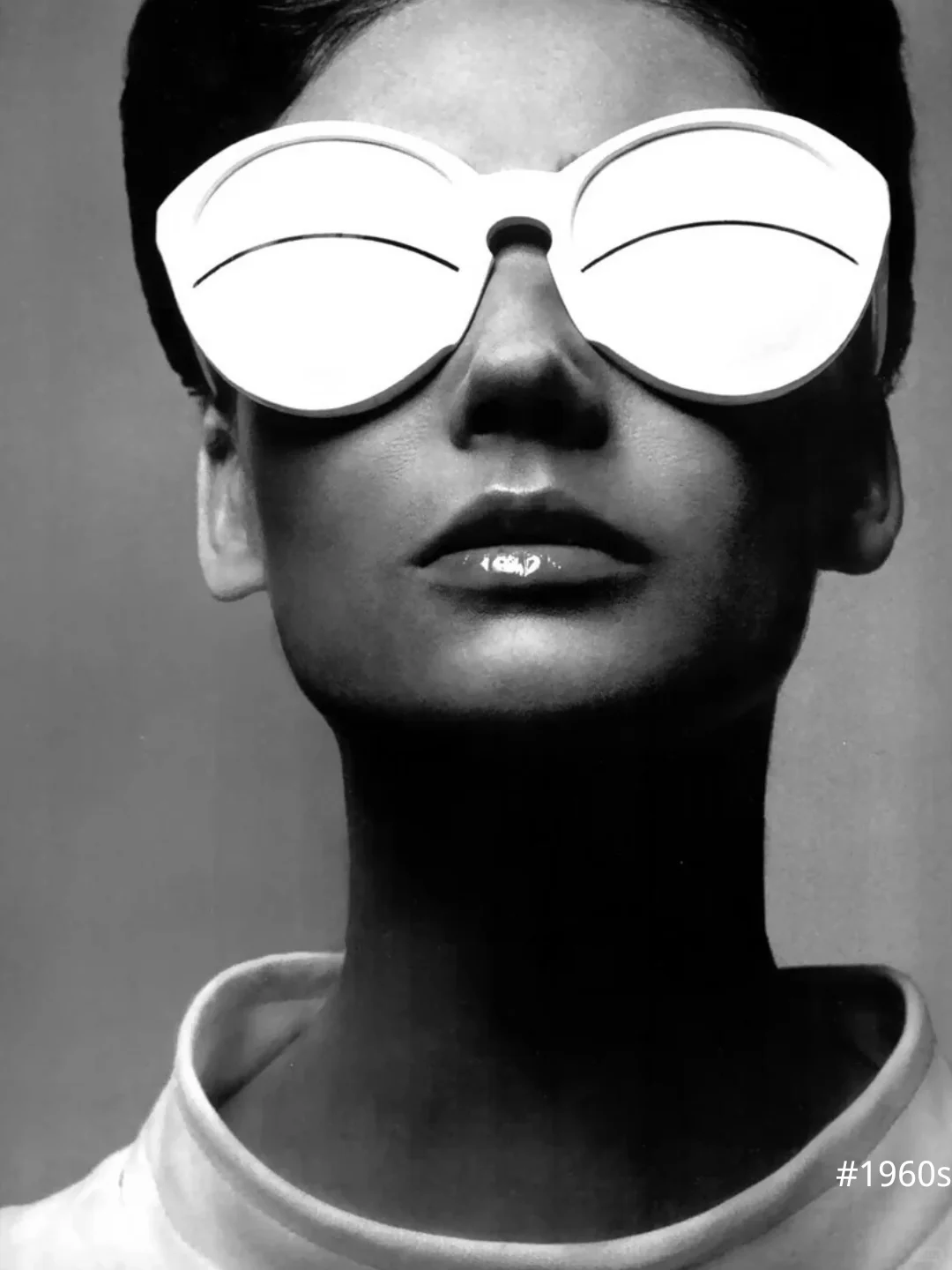
The white helmet-like hat and opening look in How to Steal a Million belong to Hubert de Givenchy’s wardrobe for Audrey Hepburn, not to Courreges as a confirmed design credit. The connection is better read as visual kinship: the same 1960s appetite for clean white surfaces, helmet forms, graphic eyewear and a polished future-facing femininity.
That distinction matters. Courreges influenced the visual language of the decade, but not every white futuristic hat in the 1960s was literally his.
Two futures: Courreges and Paco Rabanne
Courreges and Paco Rabanne are often placed in the same Space Age conversation, but their futures feel different.
Rabanne pushed metal, shock, armor and a more confrontational kind of spectacle. Courreges wanted order. His future was cleaner, smoother and more optimistic, closer to industrial design than apocalypse.
That is why Courreges still feels so wearable. His future was not about escape from the body. It was about giving the body new freedom.
White as an ideal
White was central to the Courreges image: white boots, white dresses, white helmets, white as speed and clarity. On his models, white did not read fragile. It read active.
The Courreges woman was not a salon ornament. She could walk, drive, jump, dance and look modern while doing it. That was the real revolution.
You can still see the afterimage in later fashion: the strict line, the clean boot, the future girl in white, the fantasy of a body made sharper by design. Courreges reminds us that fashion is not only about preserving old elegance. Sometimes it is about dressing for the world you think should exist next.
Core influence period: 1961 to 1972.