Blade Runner 2049 and retrofuturist aesthetics
A visual reading of Blade Runner 2049 and retrofuturism, covering corporate architecture, crowded streets, high-contrast light, neon color, and sci-fi unease.
The Narrative Power Of Architectural Space
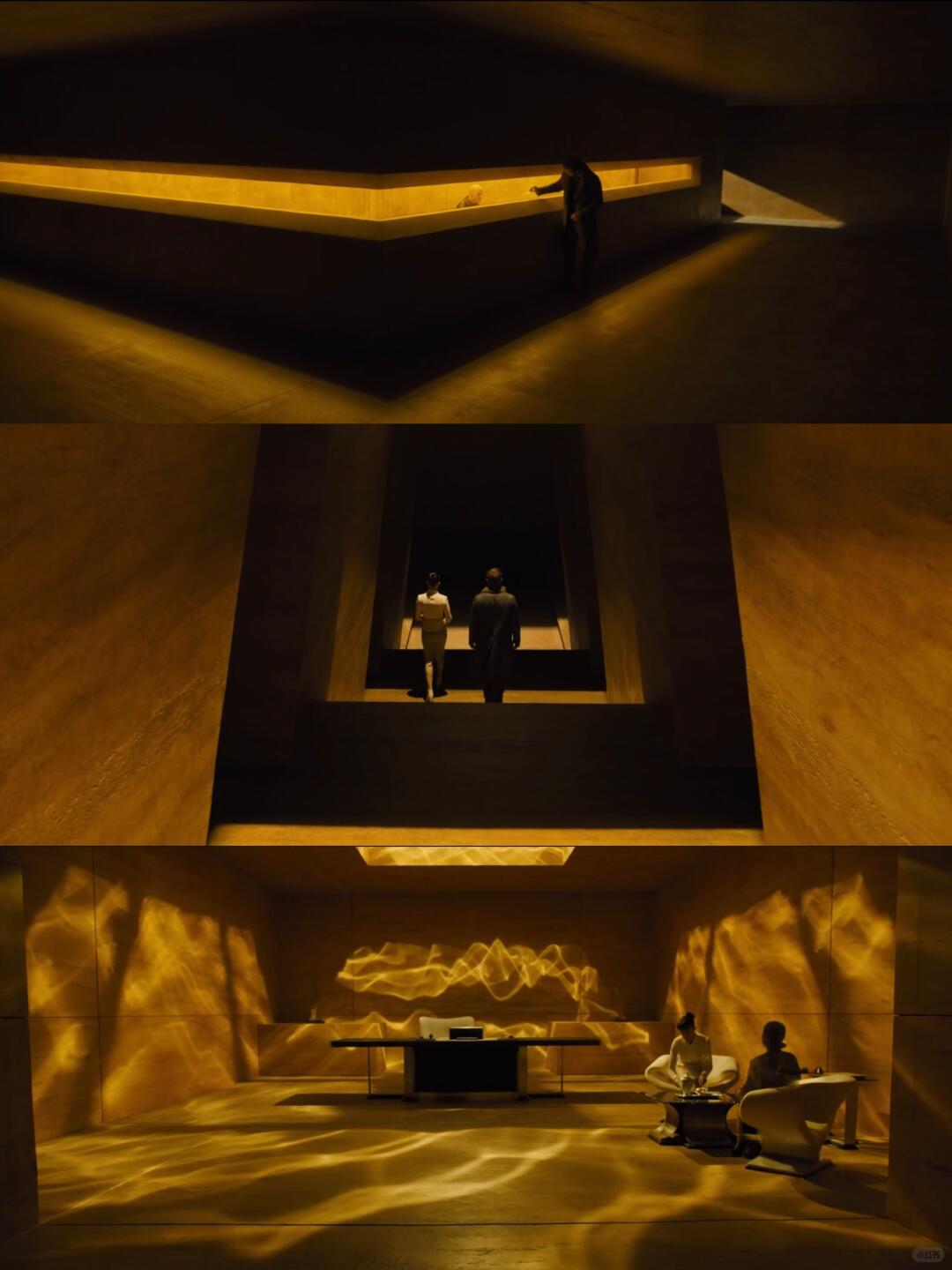
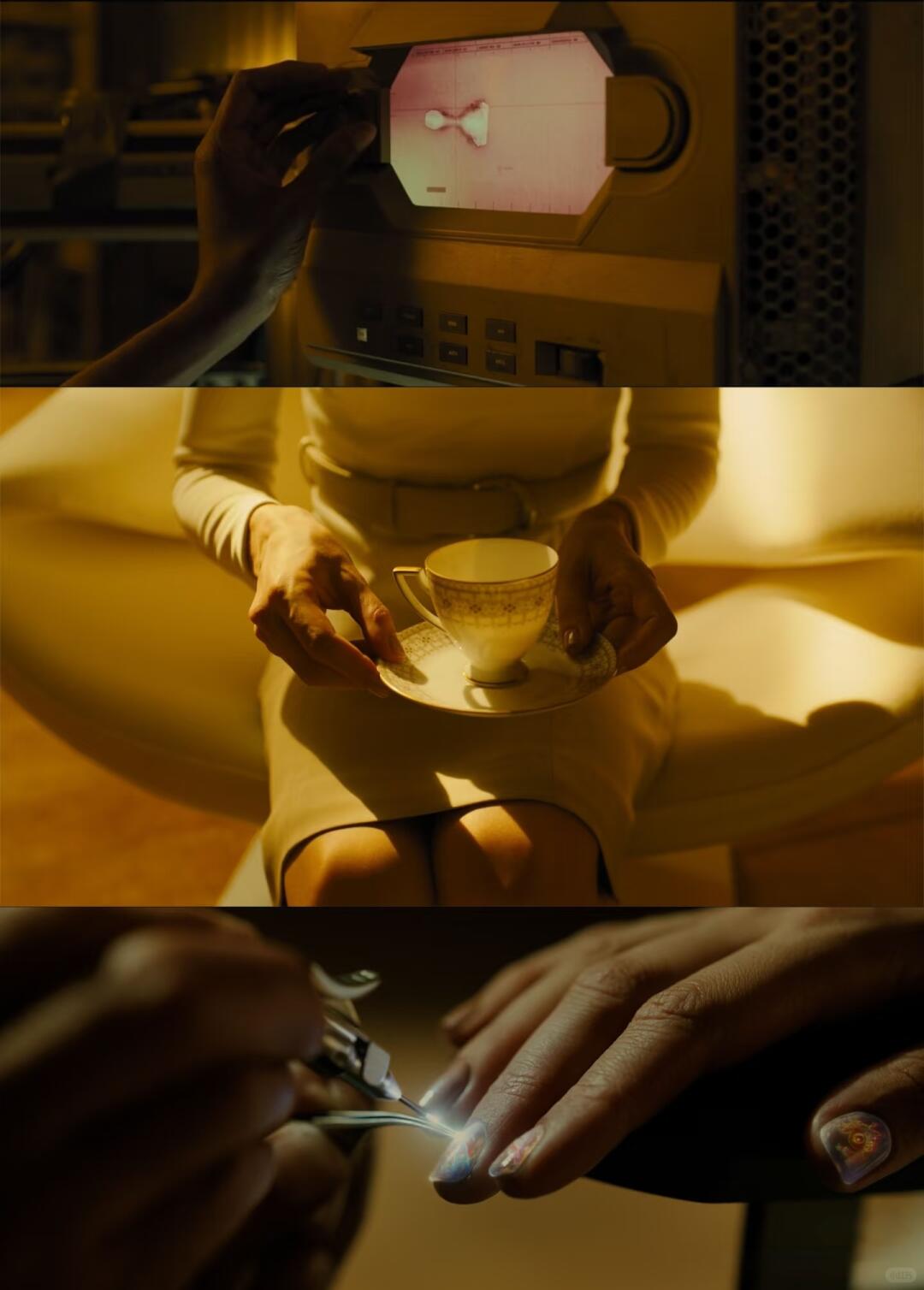
In Blade Runner 2049, the headquarters of Wallace Corporation is like a huge Egyptian pyramid, towering into the sky and brightly lit. Its interior has a cold, empty, minimalist modernist style. It represents supreme power, order, and the cold will of a creator.
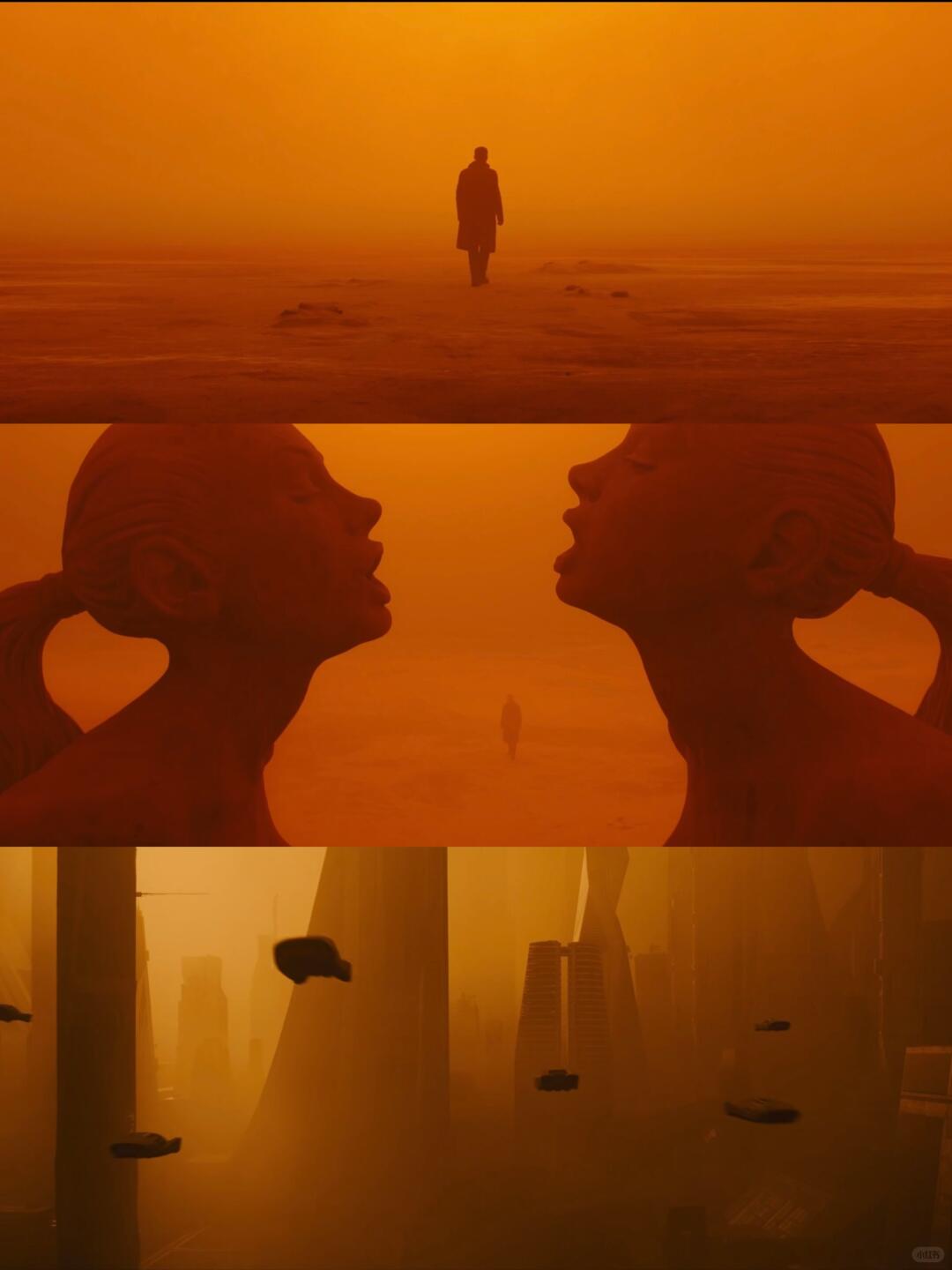
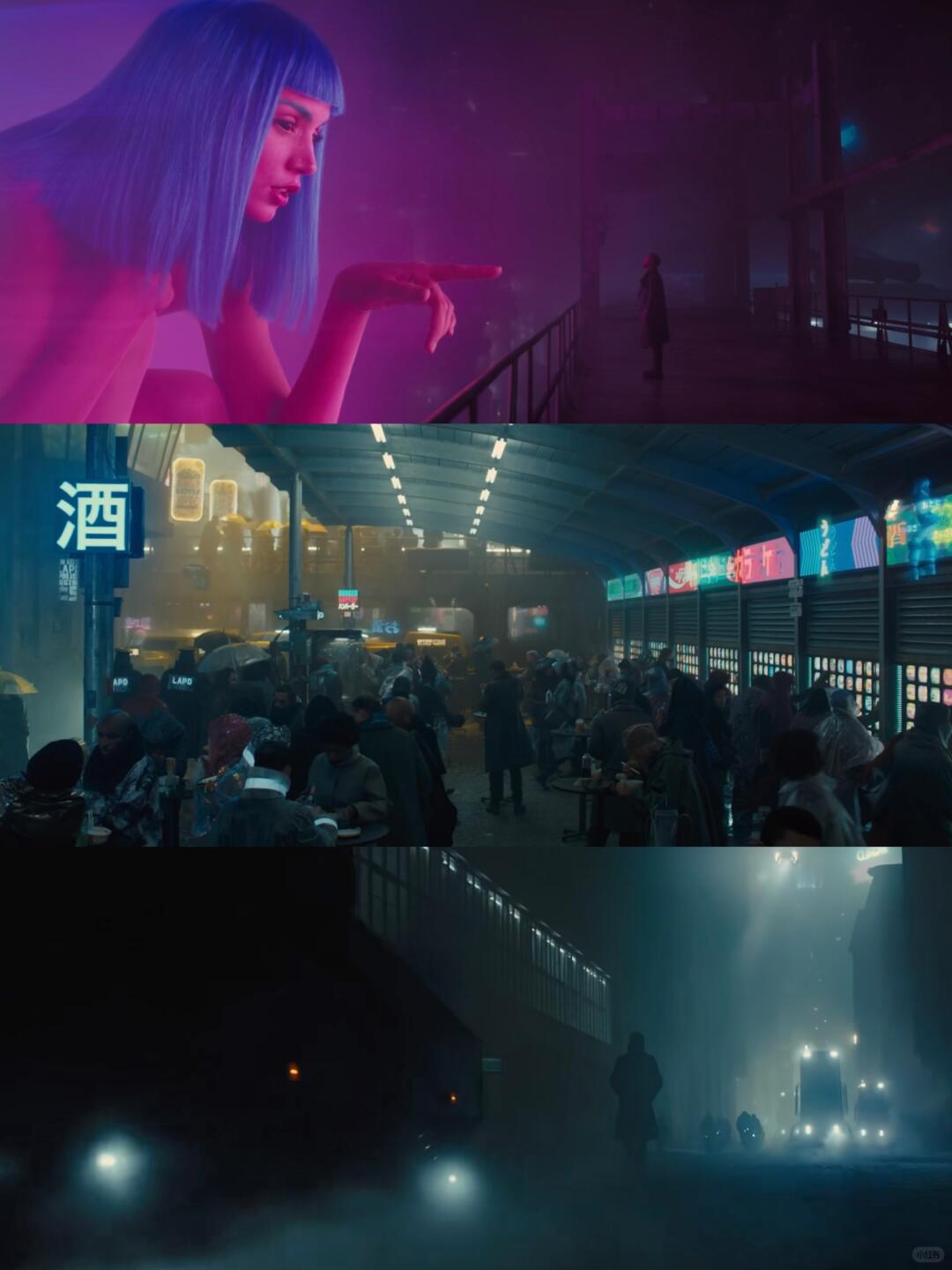
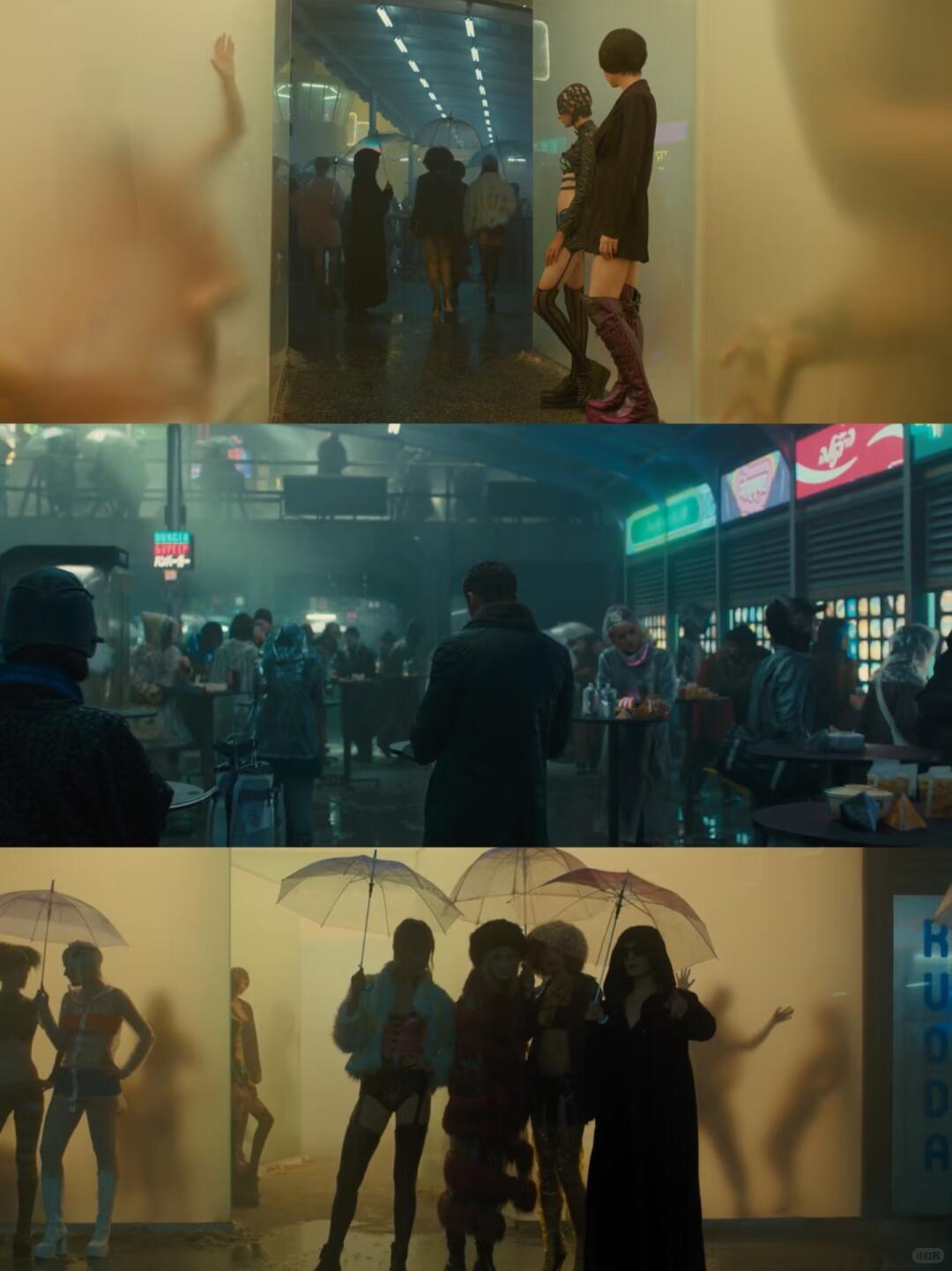
In sharp contrast to the cleanliness of the pyramid are the crowded, dirty, and noisy streets at ground level. They blend Eastern, Western, Latin, and other cultural elements. Everything is chaotic, and the crowd presses shoulder to shoulder. This represents the oppressed and forgotten lower levels of society.
Light, Shadow, And Color: A Wet Tragic Epic
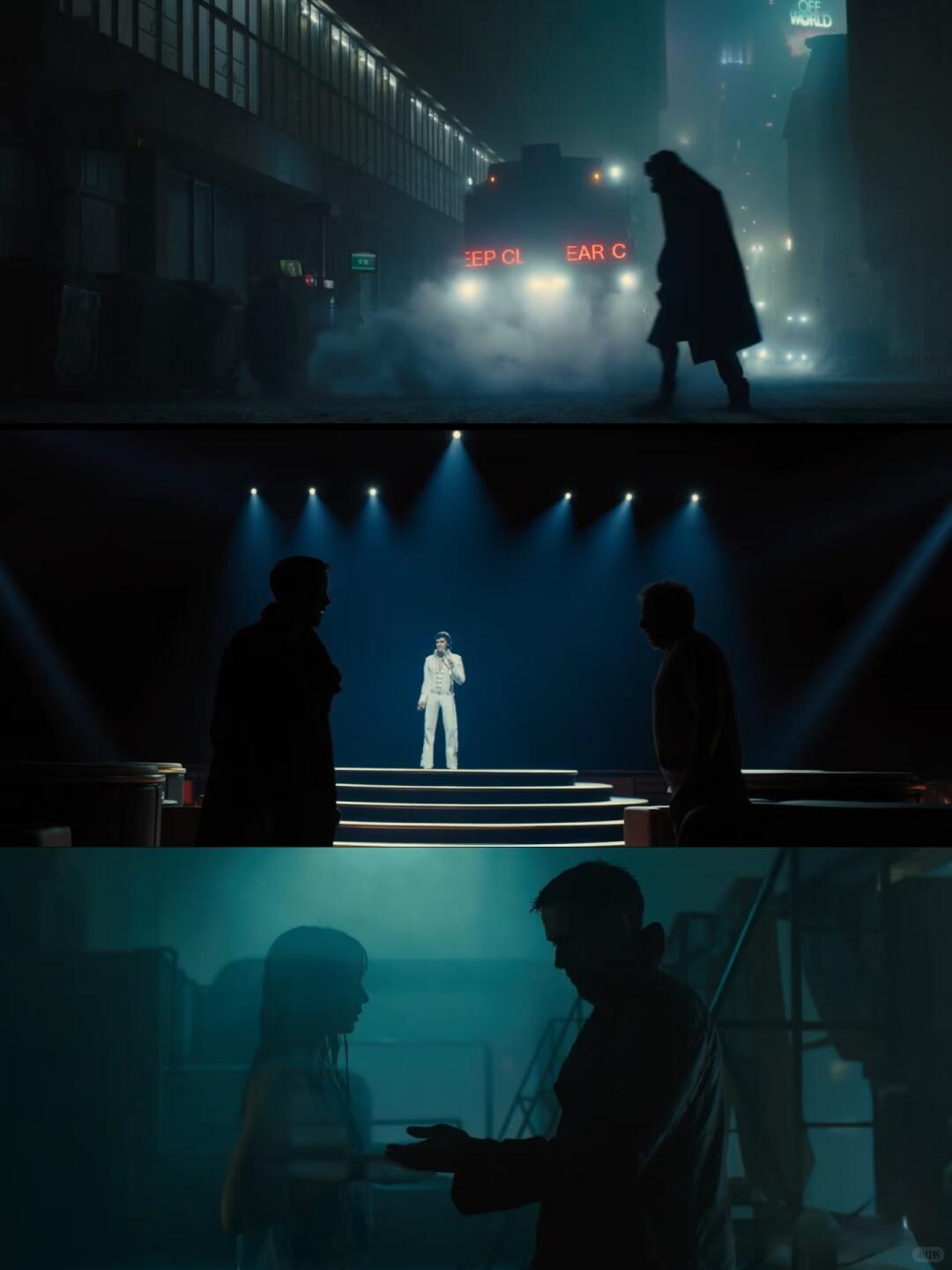
The film relies heavily on high-contrast lighting. Characters are often half hidden in darkness and half illuminated by strong side light or top light, giving their facial contours a clear sense of mystery and uncertainty.
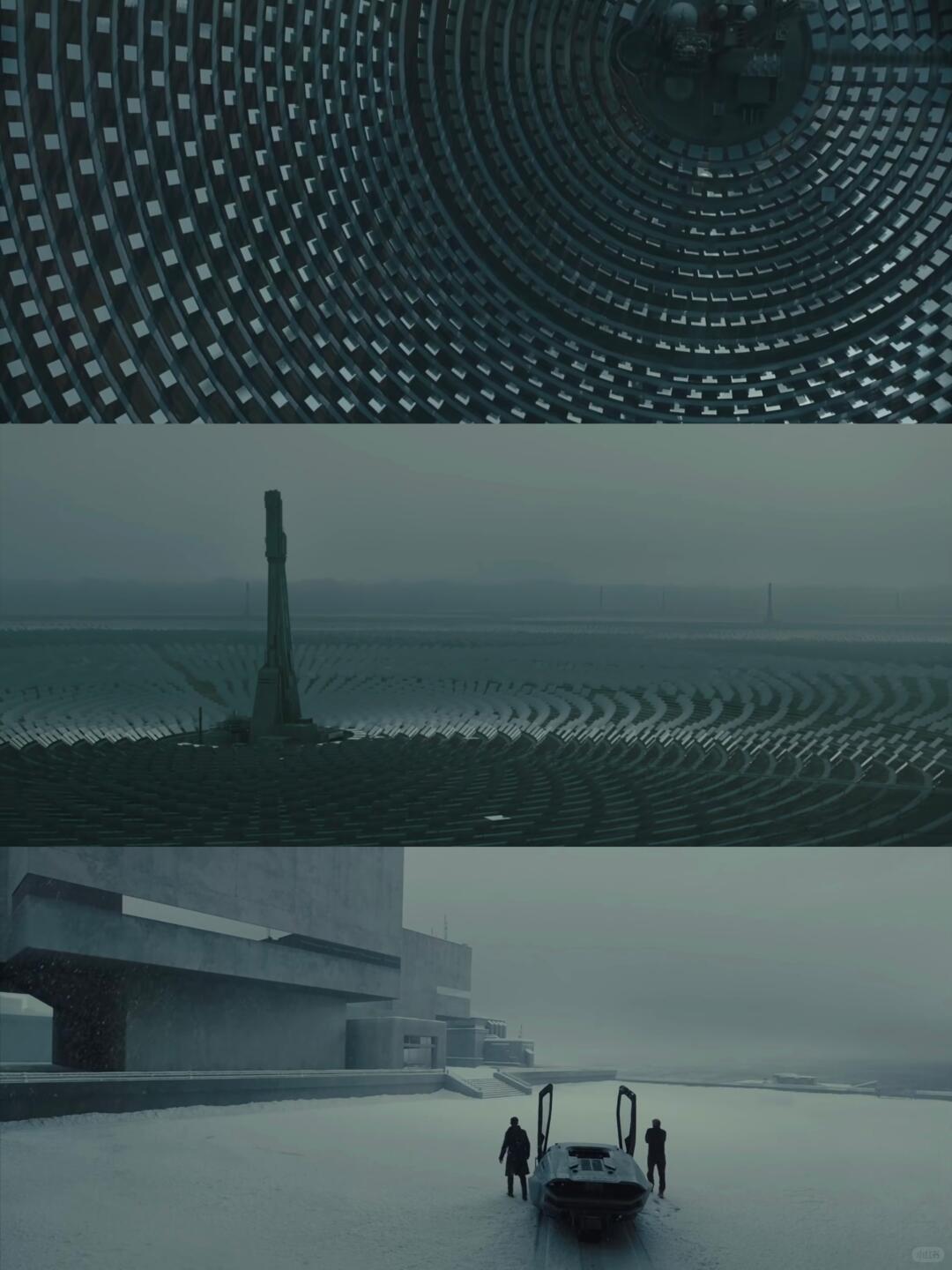
The colors are not cheerful or bright. They are highly saturated and emotional. Interior scenes are often warm amber or golden yellow, contrasted against the cold blue tones outside the windows. On the streets, red, blue, and green neon light seeps into the damp air and spreads through it, creating a visual experience that feels hazy, dreamlike, and decadent.
The aesthetic of Blade Runner is a great synthesis. It fuses past cinematic traditions with imagined futures, combining cold technological creations with deep philosophical thought to create a visual universe that is both frightening and fascinating. This is also where its retrofuturism becomes part of the atmosphere.