
Oura Ring Alternatives: 4 Smart Ring Brands to Know in 2026
Looking for Oura Ring alternatives? Compare four active smart-ring brands for sleep, recovery, health tracking, battery life and ecosystem fit in 2026.
TL;DR
- Samsung Galaxy Ring is the clearest ecosystem alternative for Android and Galaxy users.
- RingConn focuses on long battery life and a no-subscription model.
- Ultrahuman is the performance and biomarker-focused option, while Amazfit Helio Ring is strongest as a recovery ring used alongside a sports watch.
- The right Oura alternative depends more on the health ecosystem and membership model than on ring shape alone.
Oura Ring 4 remains the category-defining smart-ring reference because it combines a jewelry-like form with continuous health data. Oura Ring 4 uses a titanium build and recessed sensors, with Smart Sensing designed to adapt signal paths to the wearer’s finger.
This guide to Oura Ring alternatives is for readers comparing smart rings like Oura, the best Oura competitors, or the phrase Oura alternatives 2026 when the real decision is about ecosystem and membership.
But “an Oura alternative” can mean very different things. Some users want no subscription, others want longer battery life, stronger Android integration, sport-focused recovery data or simply a different ring design.
Every product below is a current smart ring — no watches, bands or bracelets mixed into the comparison.
1. Samsung Galaxy Ring
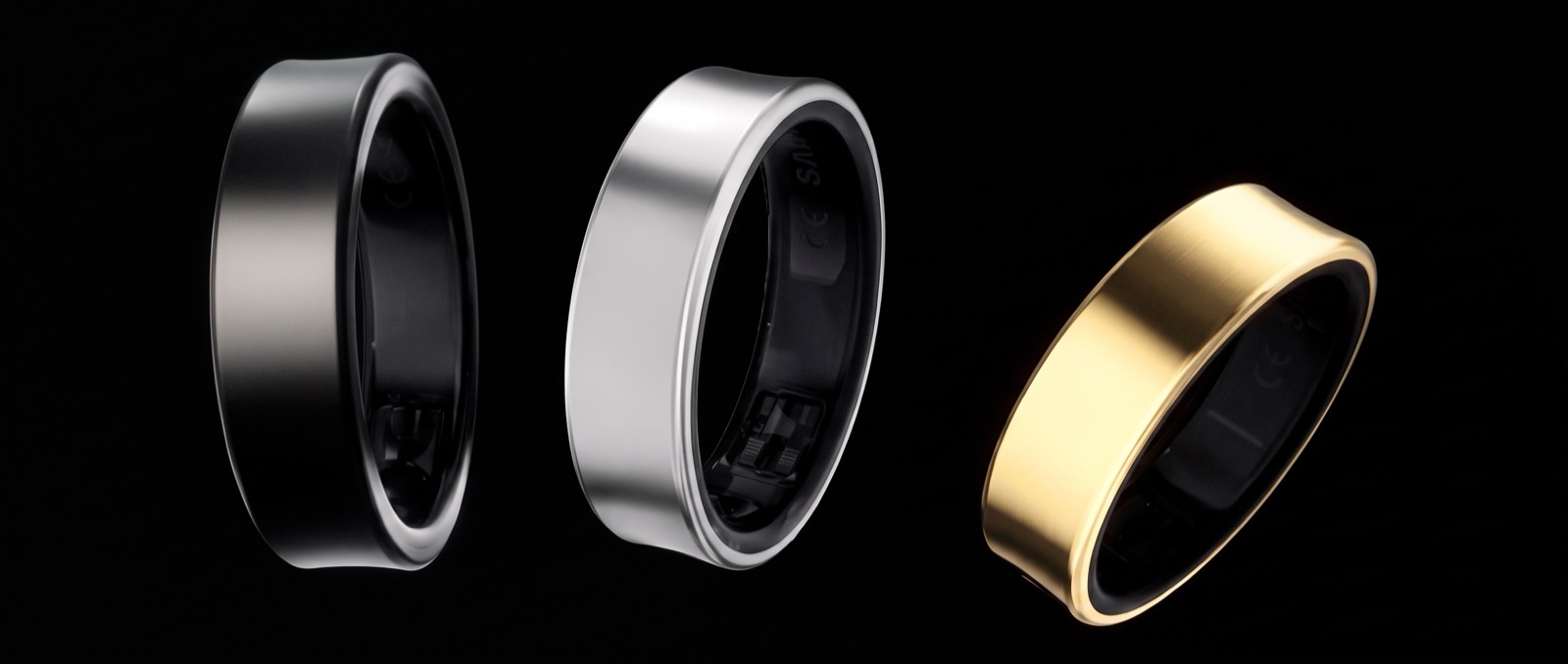
Samsung Galaxy Ring is the clearest ecosystem alternative for Android users. Samsung positions it as an AI-powered health wearable built around a lightweight titanium frame, three sensors and continuous wellness monitoring through Samsung Health.
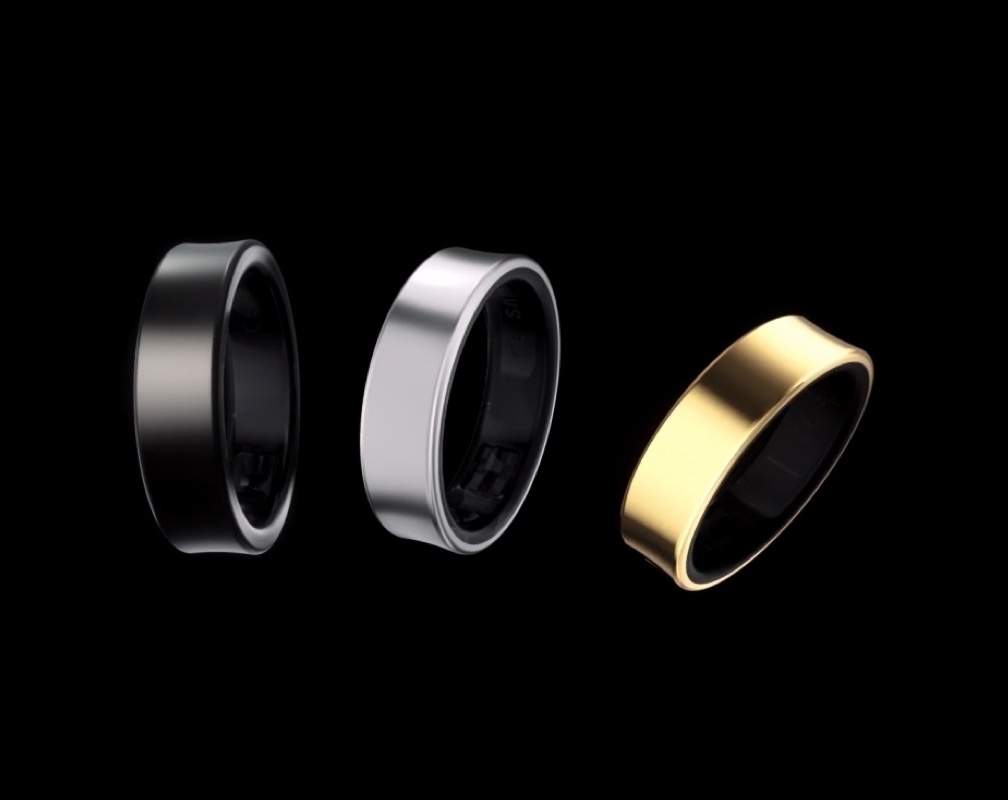
Its strongest difference from Oura is ecosystem integration. If you already use a Galaxy phone or watch, the ring becomes part of a larger Samsung health system rather than a standalone wearable.
Samsung also emphasizes a concave profile, three titanium finishes and up to seven days of battery life.
Best for: Galaxy users who want health tracking integrated with Samsung Health.
2. RingConn
RingConn Gen 2 focuses aggressively on wearability and battery life. The company describes it as an ultra-thin titanium smart ring with multi-metric health tracking and sleep-apnea monitoring, without a subscription requirement.

Its current design is slimmer and lighter than many early smart rings, and the charging case extends the practical time away from a wall charger.
Compared with Oura, the experience is less lifestyle-brand driven and more specification-focused.
Best for: users who prioritize long battery life, sleep data and no recurring membership.
3. Ultrahuman
Ultrahuman Ring PRO is a titanium model positioned around performance, recovery and deeper integration with the wider Ultrahuman health ecosystem.

The company’s approach is more performance-oriented than Oura’s broader wellness positioning. Ring PRO connects sleep, recovery, stress, movement and other health inputs through Ultrahuman’s app and AI layer.
As of September 2026, Ring PRO is being offered for preorder, so availability should be verified immediately before publication (Ultrahuman Ring PRO).
Best for: performance-focused users who want the smart ring inside a broader biomarker ecosystem.
4. Amazfit Helio Ring
Amazfit Helio Ring is the sport-and-recovery alternative. The titanium ring tracks sleep, heart rate, HRV, blood oxygen, stress and temperature, and is designed to work with the Zepp ecosystem.
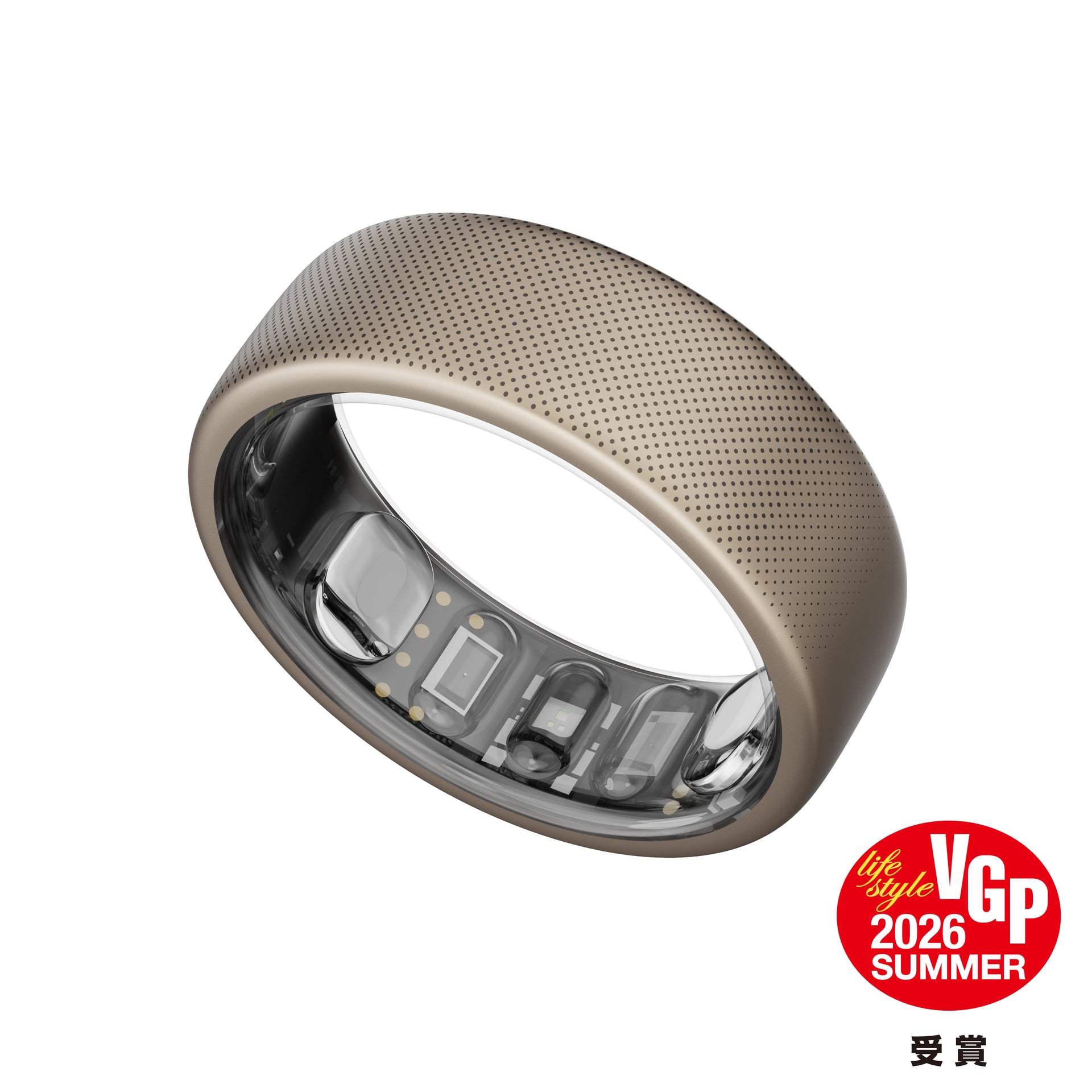
Amazfit positions it particularly strongly around recovery and training. It can also combine data with compatible Amazfit watches, which changes the use case: the ring does not need to replace a sports watch.
Best for: athletes already using Amazfit or people who want ring-based sleep and recovery data alongside a watch.
Which Oura alternative makes the most sense?
Choose Samsung Galaxy Ring for Galaxy ecosystem integration, RingConn for battery life and no subscription, Ultrahuman for performance-oriented health analysis, and Amazfit Helio Ring if you want a smart ring to complement a sports watch.
The category is now mature enough that “best smart ring” is the wrong question. The better question is which health ecosystem do you want on your finger?