
Fashion Tech Looks Better When It Misbehaves
A trend note on fashion tech, wearable fashion, smart clothing, LED shoes, screen earrings, and why useful objects need visual friction.
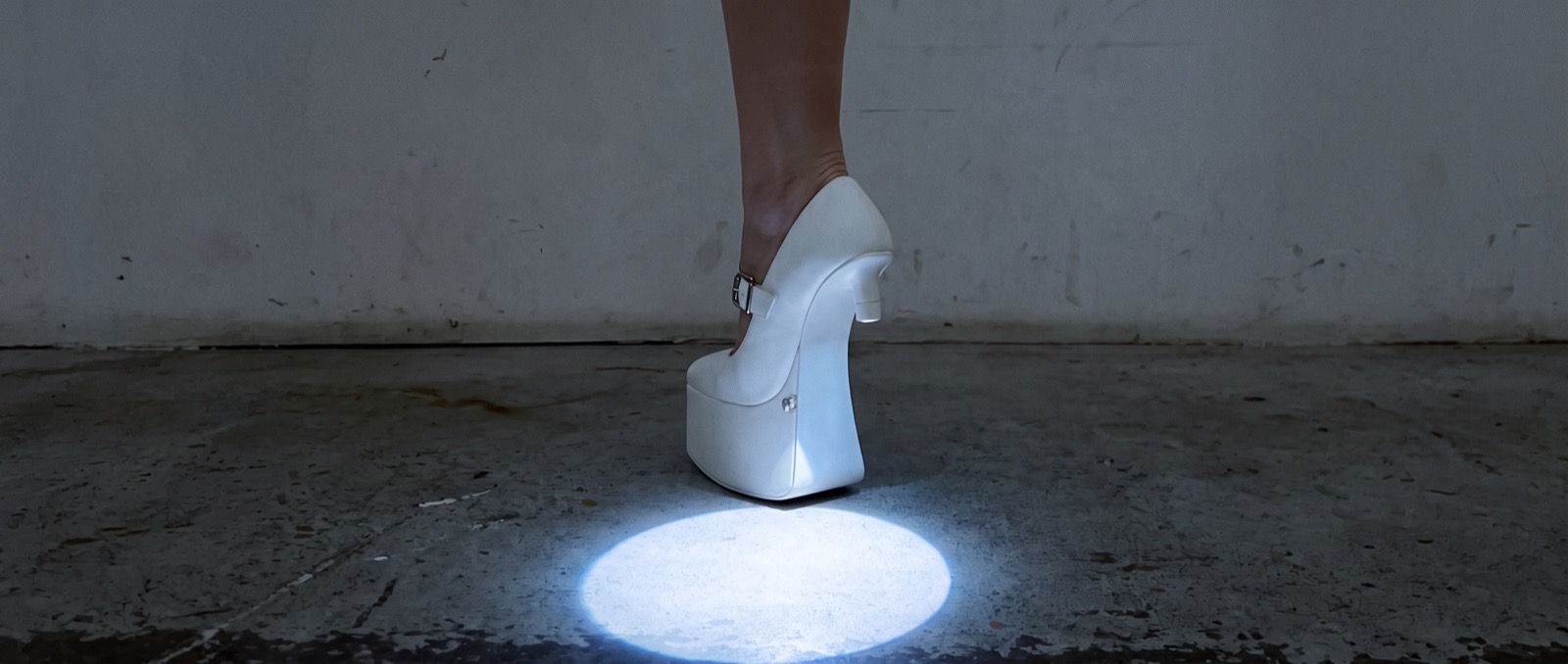
Fashion tech has spent years trying to prove it can be invisible. Smaller sensors. Softer straps. Cleaner apps. Devices that disappear into bands, rings, frames, pockets, and fabrics. I understand the logic. Nobody wants to look like they got dressed in a product demo.
But I also think invisibility has become a little too convenient. If technology is already shaping how we move, track, communicate, perform, and present ourselves, why must the object pretend it is not there? The more interesting future is not wearable tech that hides. It is wearable fashion that admits the body has become an interface and then makes that fact look strange, funny, clever, seductive, or slightly impractical.
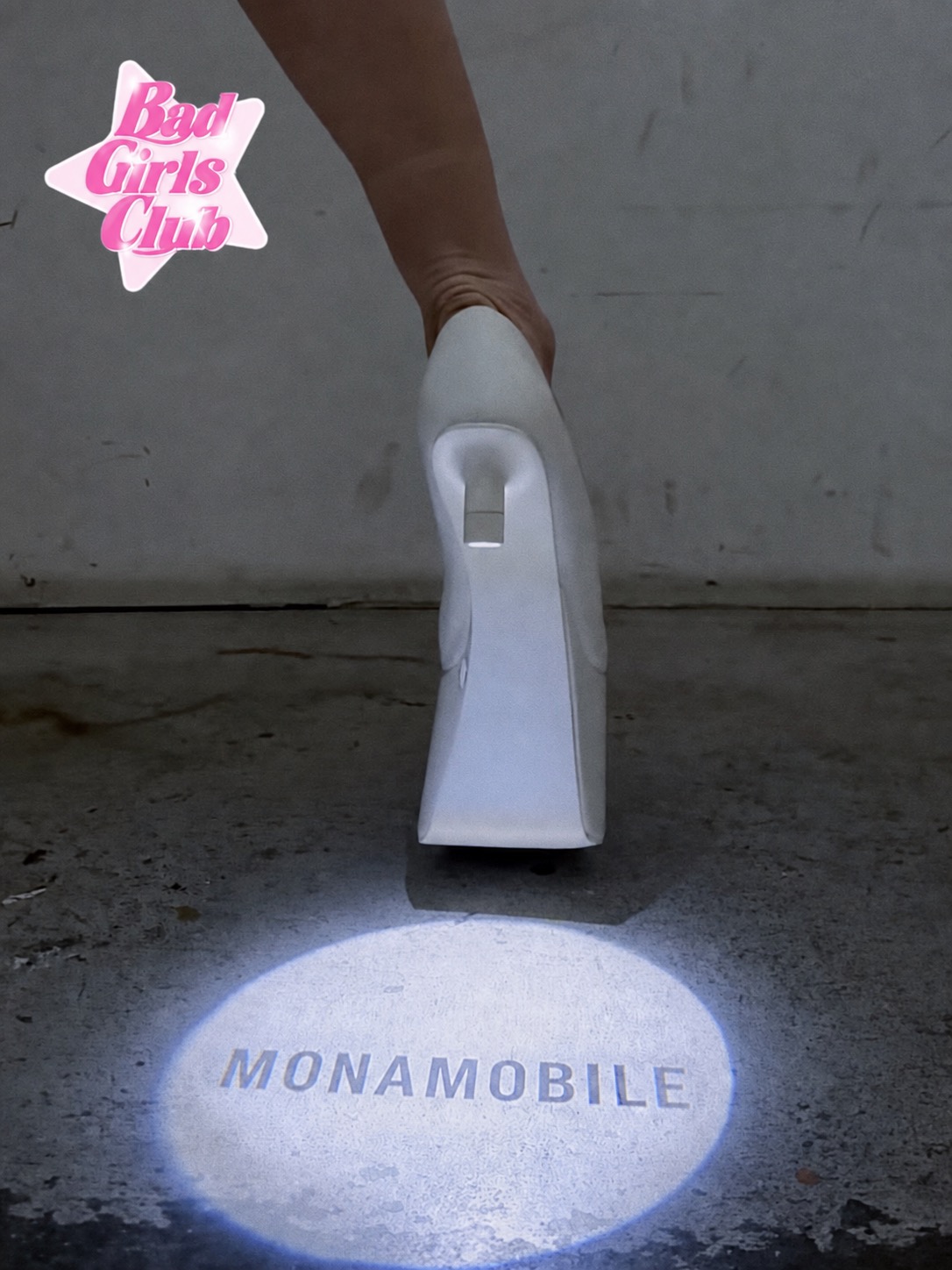
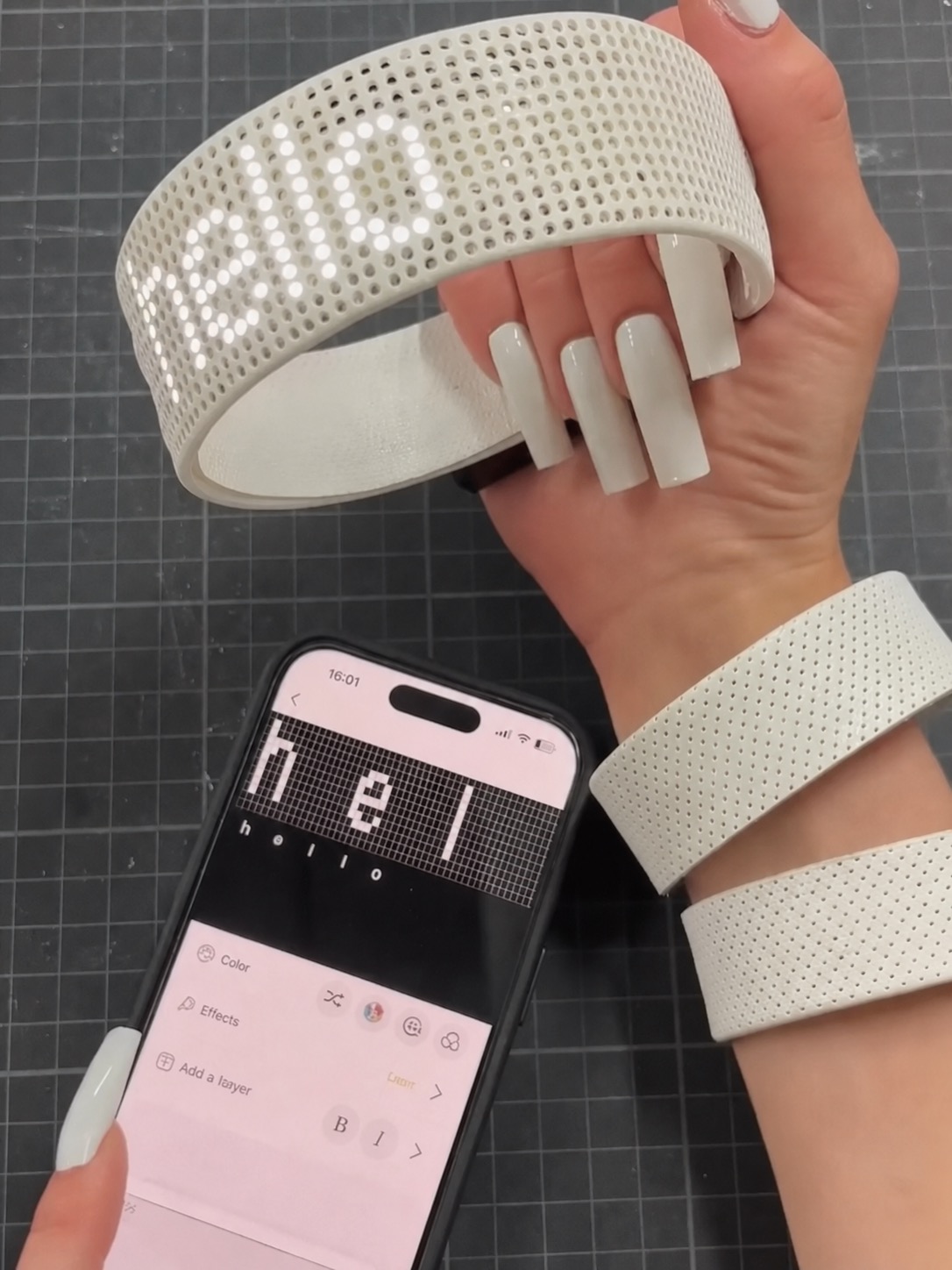
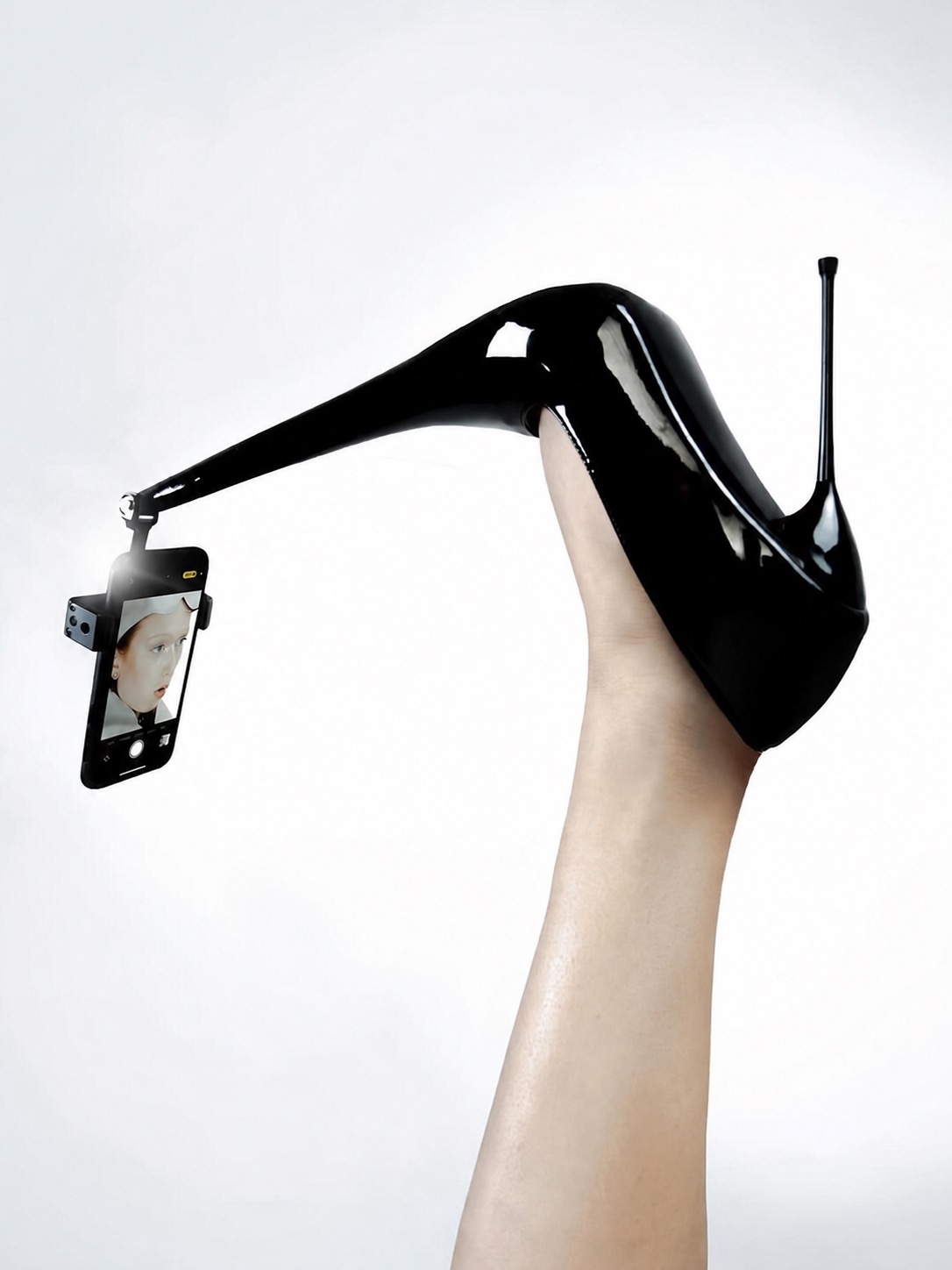
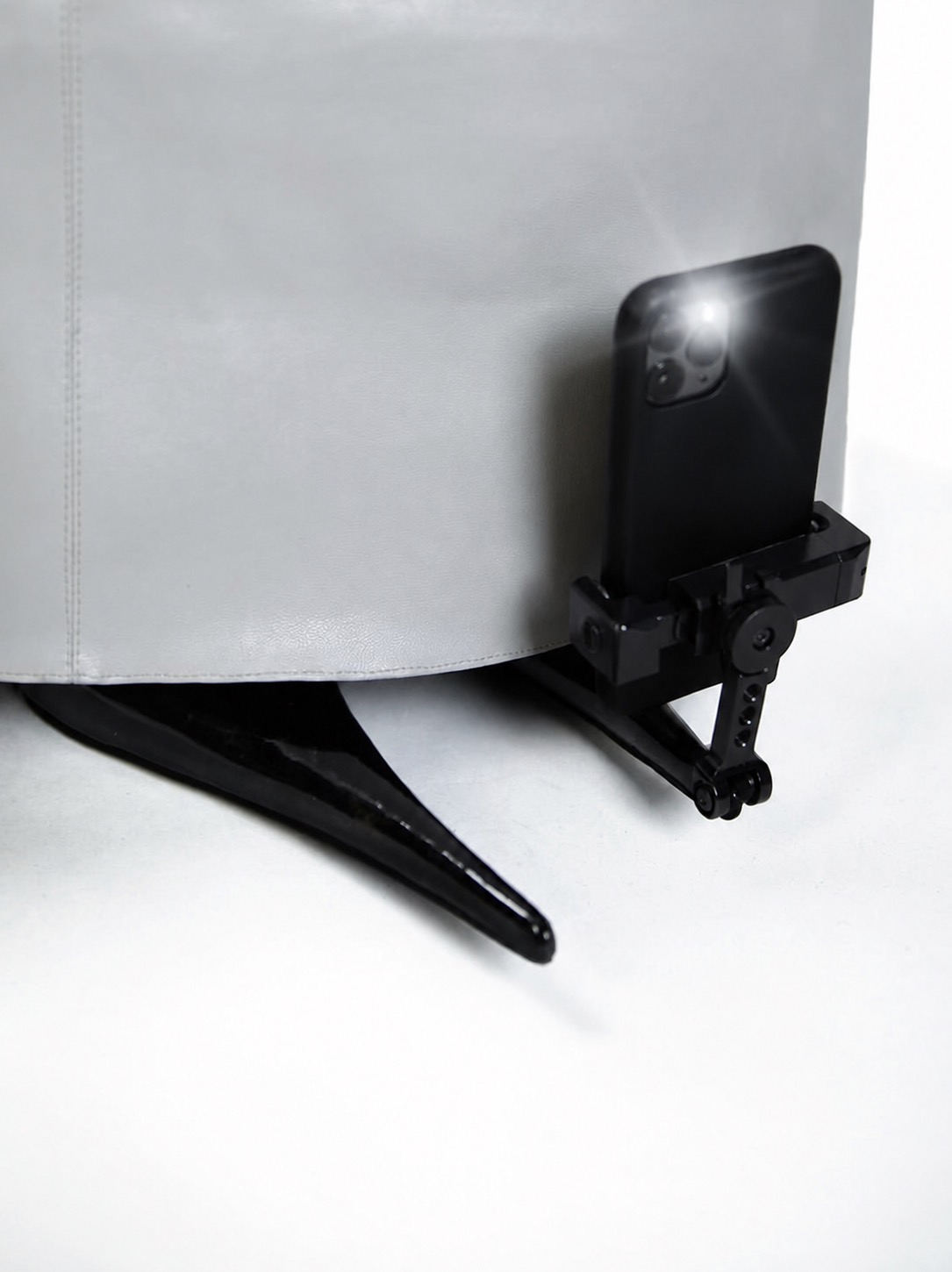
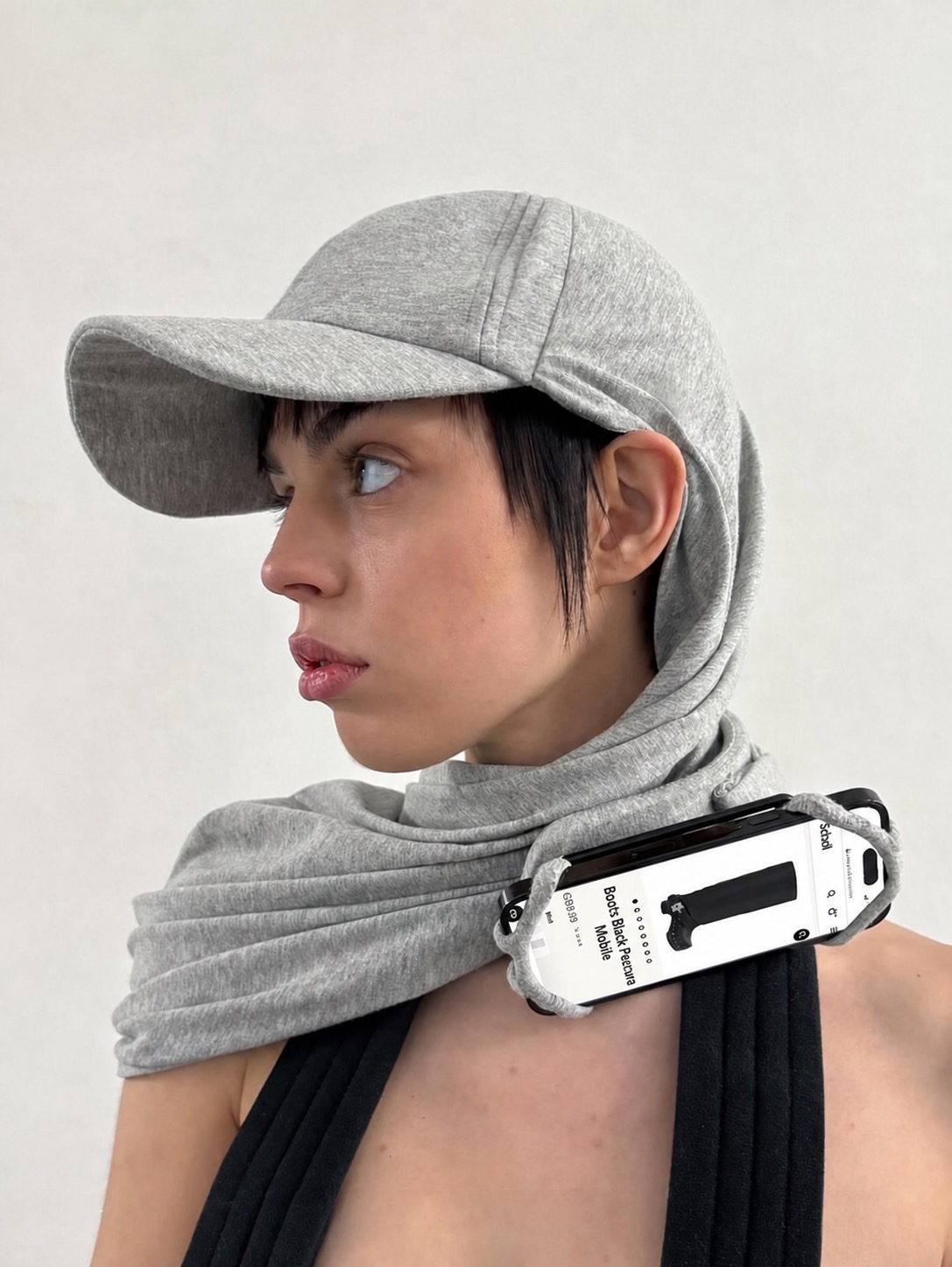
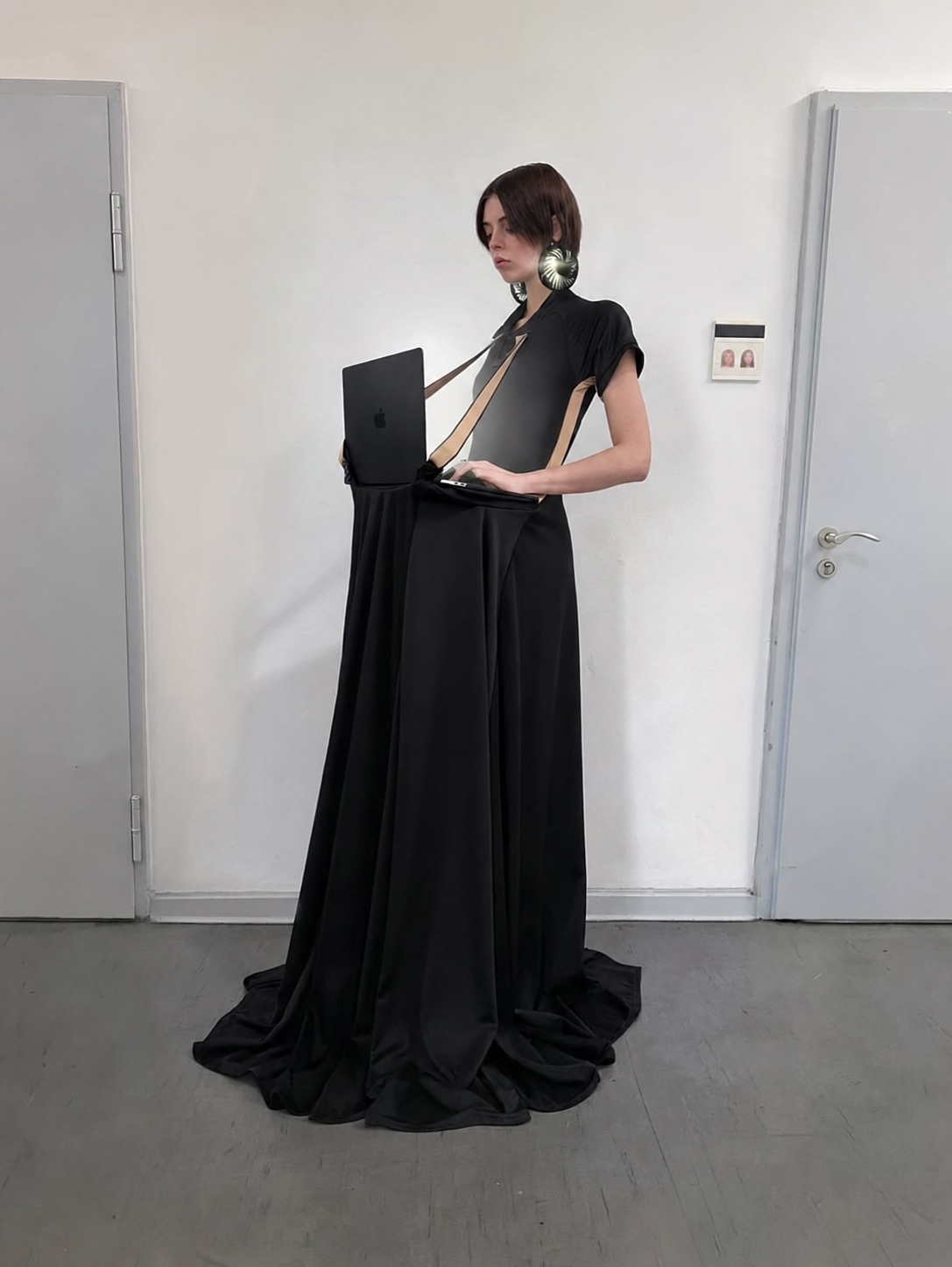
That is why Monamobile works as a fashion tech reference. A Dazed profile of the Berlin-based label describes Mona Gutheil and Maximilian Benz turning everyday consumer technology into wearable objects, including LED screen heels, screen earrings, phone clips, and modular garments. The genius is not that these things are the most efficient gadgets in the room. The genius is that they understand usefulness as theatre.
The Problem With Wearables Was Never The Tech
The old wearable technology fashion problem was not that people disliked function. People love function. They love tracking sleep, taking calls, counting steps, finding headphones, scanning messages, and having a device quietly tell them whether their body is behaving. The problem was form. Too much wearable tech treated the body like a docking station.
Vogue’s 2026 fashion-tech predictions put new wearable form factors back into the industry conversation, from AI glasses to other body-adjacent devices. I think that is the crucial tension. A device can be clever and still have no taste. A garment can be beautiful and still have no idea why technology is there.
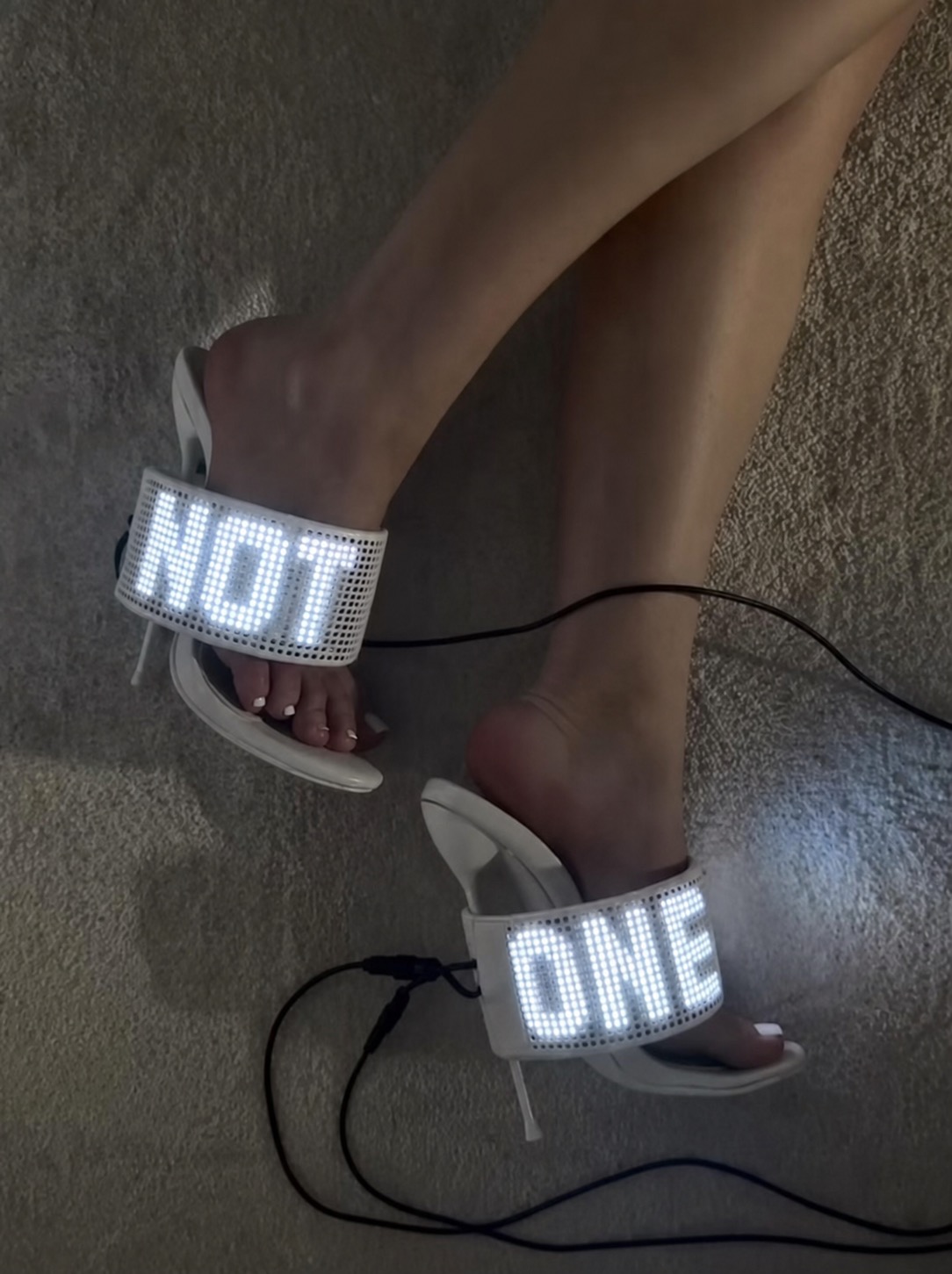
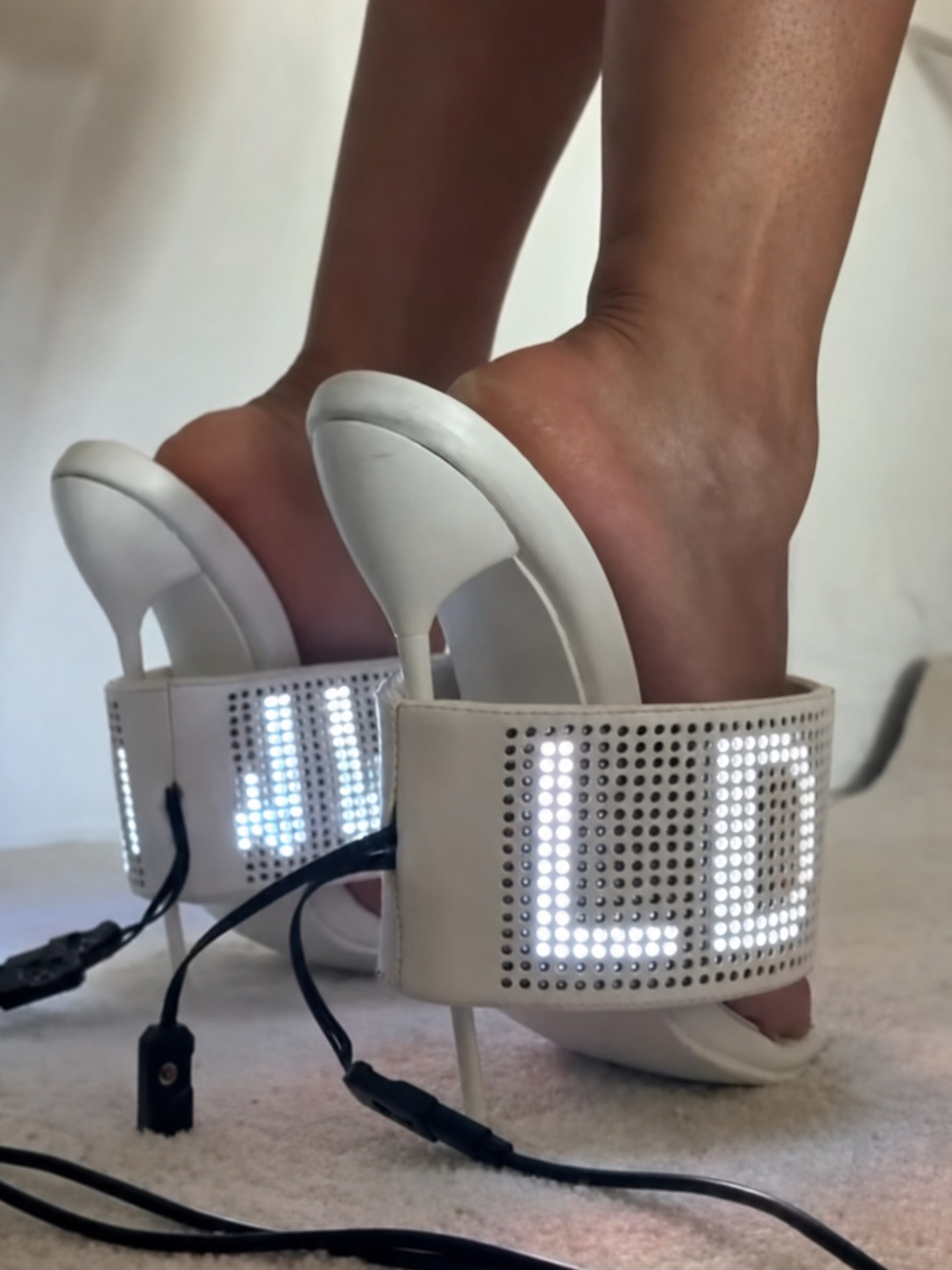
Good fashion tech has to solve both problems at once. It needs enough function to justify the circuit, and enough visual conviction to justify its place on the body. Otherwise it becomes novelty, and novelty ages faster than almost anything in fashion.
The Body As Interface
What makes these LED shoes and screen earrings feel more current than most smart clothing is that they do not apologise for being devices. They are not trying to pass as classic jewellery. They are not trying to become tasteful little wellness objects. They are loud, literal, and slightly absurd.
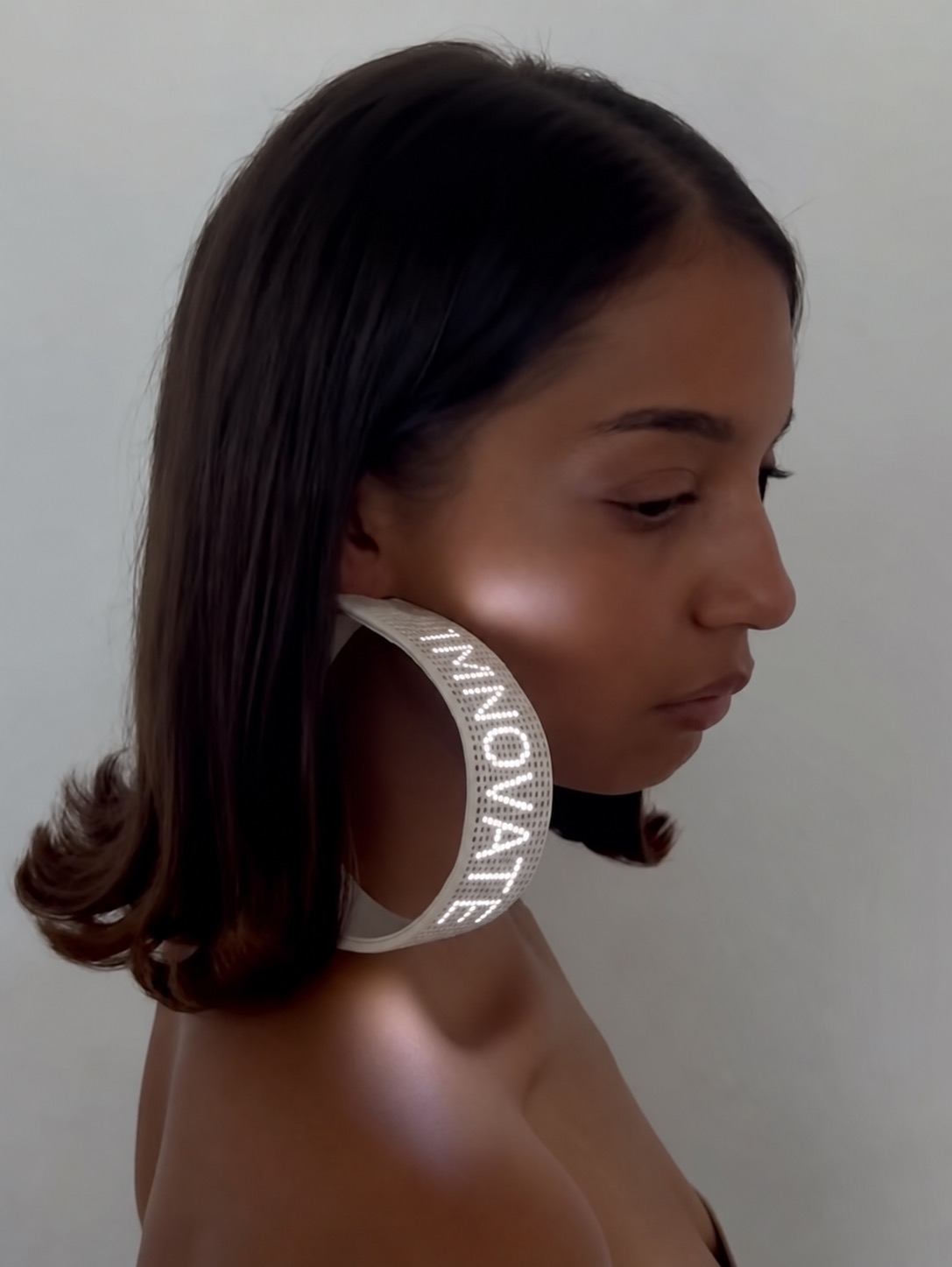

That matters because the future alt wardrobe is not just about “futuristic” materials. It is about body placement. Where does the object sit? Does it frame the face, interrupt the foot, extend the hand, wrap the shoulder, clip onto hair, or hang from the waist? A normal accessory decorates the body. A digital fashion accessory changes how the body communicates.
This is where LED shoes become more than a gimmick. A shoe already controls posture, gait, height, and attitude. Add a screen or projection, and suddenly the foot is not just moving through space. It is broadcasting.
Useful Is Not Enough
The smartest thing fashion tech can learn from fashion is that use is never purely practical. A bag carries things, yes, but it also signals class, taste, mood, and access. Sunglasses block the sun, but they also create distance. Shoes protect the foot, but they also decide the pace of the body.
So when wearable tech companies insist that the product must disappear, I always wonder: disappear for whom? Vogue framed Whoop’s fashion move with Samuel Ross around the question of making tech truly wearable, including clothing that lets the sensor disappear across the body. That is a valid route for performance tech. But it is not the only route.
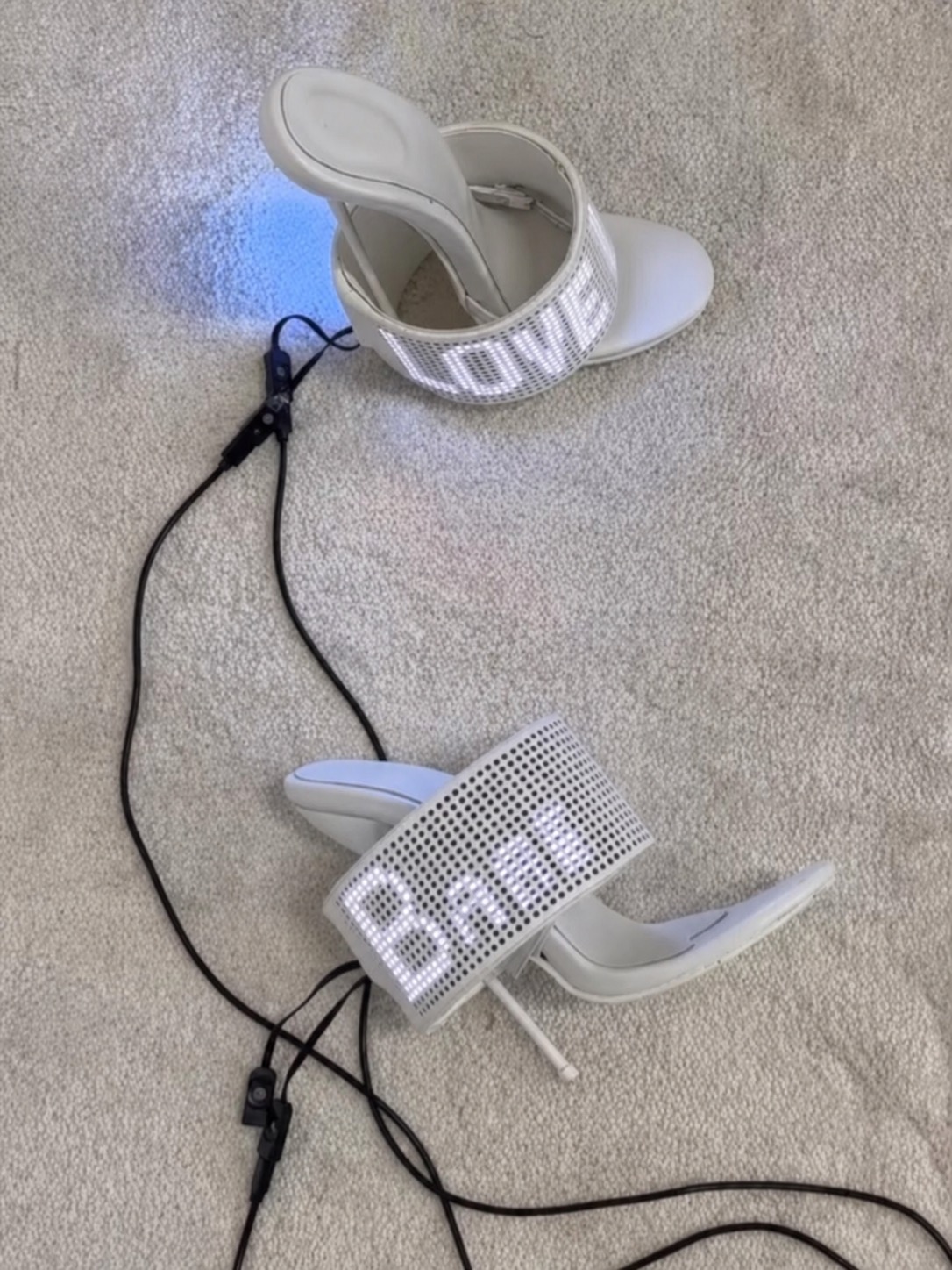
Some objects should be visible because their visibility is the feature. The LED matrix, the cable, the clip, the projection, the odd placement, the modular attachment: these are not design problems to be smoothed away. They are the styling language.

This is also where smart clothing research becomes useful. A 2026 Fashion and Textiles study on visually transformative smart clothing examines how aesthetics and usefulness shape consumer response, which is a polite academic way of saying the obvious thing fashion people have always known: if it sits on the body, how it looks is part of how it works.
How To Style Wearable Fashion Without Costume Energy
The danger with cyberpunk fashion is that people hear “technology” and immediately reach for the full costume box: silver everything, black leather everything, tiny glasses, unnecessary straps, some poor top fighting for its life under six accessories. That is not styling. That is panic buying the future.

I would start quieter. If the object lights up, let the outfit be mostly matte. If the accessory has a screen, let the clothes have soft volume or clean tailoring. If the tech is white, repeat white once in the shoe, nail, top, or bag. If there are wires, treat them as lines and do not bury them under competing jewellery.
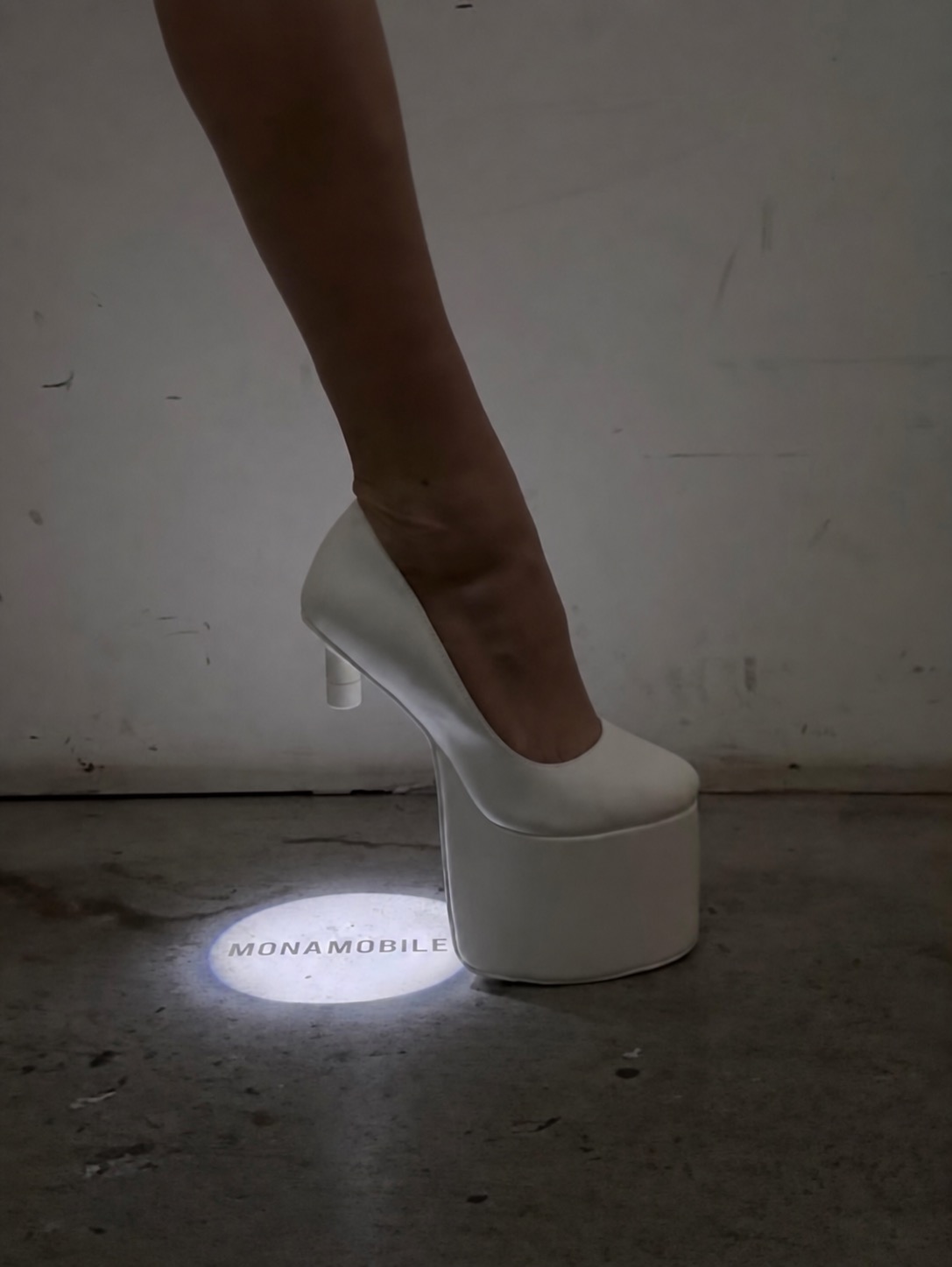
The best fashion tech outfits use contrast rather than costume. A black dress with an ear device. A grey hood with a neck-mounted object. A white LED sandal against bare minimal styling. A phone clip on an otherwise plain skirt. The object needs room to become legible.
The Future Is Not Smooth
What I like about this version of fashion tech is that it refuses the bland fantasy of seamlessness. Seamless sounds lovely until you realise it often means personality has been removed for user experience. The more compelling future is textured. It has wires. It has strange attachments. It has objects that look half-useful, half-ridiculous, and fully aware that the body is now part of the operating system.
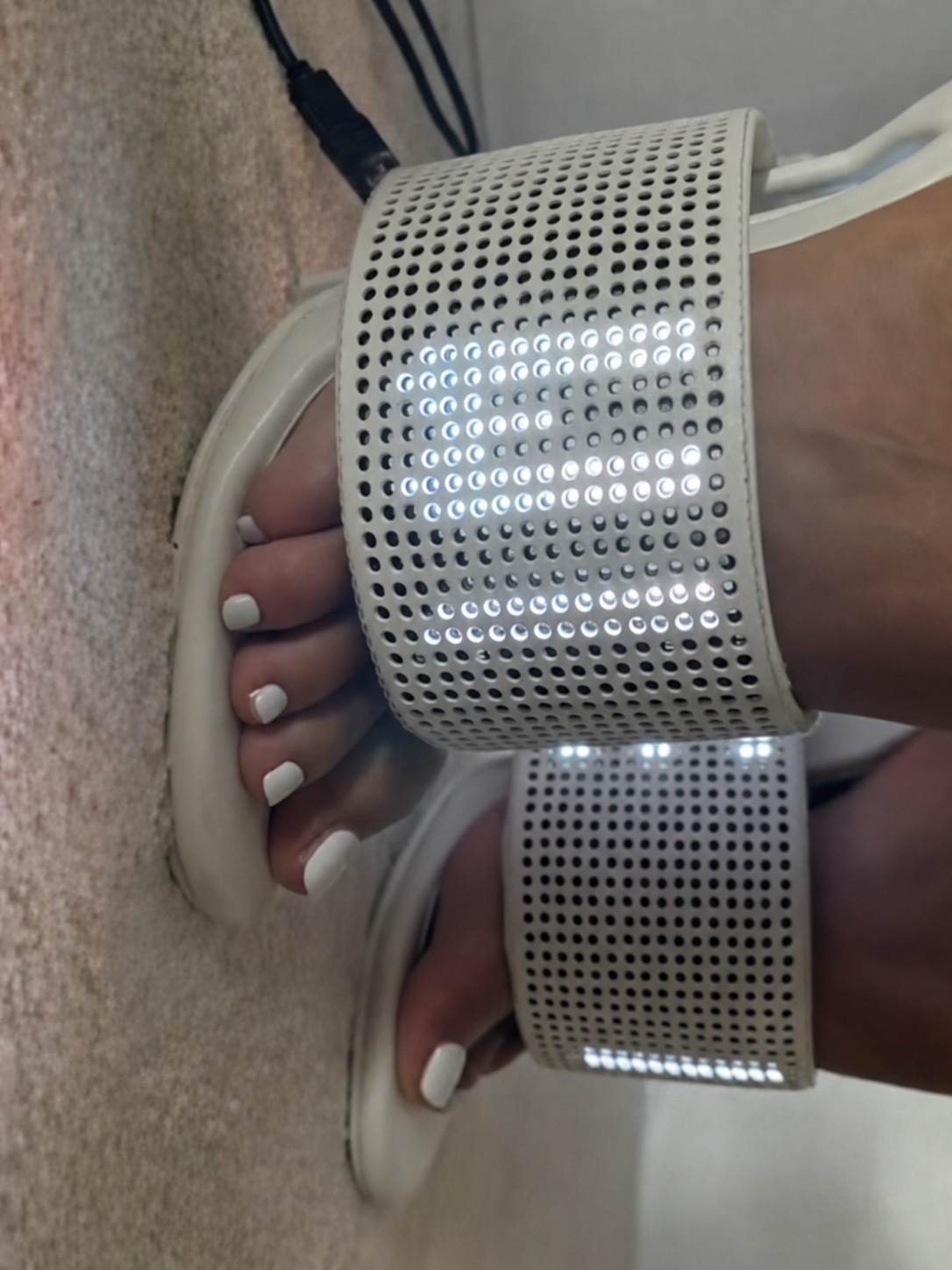
That does not mean every LED heel is a revolution. Some will be gimmicks. Some will be unwearable. Some will look better in a video than on an actual pavement. But I would still rather see designers wrestle with function, dysfunction, and beauty than watch another tracker pretend to be a bracelet with no cultural opinion.
The future of wearable fashion is not about making tech invisible enough for fashion to tolerate it. It is about making technology visually literate enough that fashion has a reason to care.
FAQ
What is fashion tech?
Fashion tech is clothing, accessories, or styling objects that combine fashion design with technological function. It can include smart clothing, LED shoes, screen earrings, digital fashion accessories, biometric wearables, or modular objects that change how the body communicates.
How do you style wearable tech?
Style wearable tech by giving the device visual space. Keep the outfit base simple, repeat one material or colour from the object, and decide whether the piece is acting as jewellery, hardware, performance gear, or a body extension.
Is smart clothing actually fashionable?
Smart clothing becomes fashionable when the technology is integrated into a strong visual idea. Function alone is not enough. The garment still needs proportion, material, placement, and a point of view.