
Why Fotus Still Makes Cyberpunk Fashion Feel Wearable
A Fotus guide for cyberpunk fashion: metallic layers, Y3K references, futuristic clothing details, and how to style the look without costume energy.
Cyberpunk fashion often gets flattened into a checklist: black jacket, chrome sunglasses, industrial boot, maybe one dramatic strap too many. The trouble with that checklist is that it makes everyone look as though they dressed from the same mood board. Fotus is interesting because it does something sharper. It takes the fantasy of the cyber body and makes it feel like a wardrobe system.
The Japanese label, associated with designer Masahiro Saito and a late-1990s future-facing design language, sits in that deliciously strange zone between clubwear, technical uniform, soft armour, and sci-fi souvenir. The pieces do not simply say “future.” They ask what a body might need if the future felt urban, wet, compressed, synthetic, and slightly hostile.
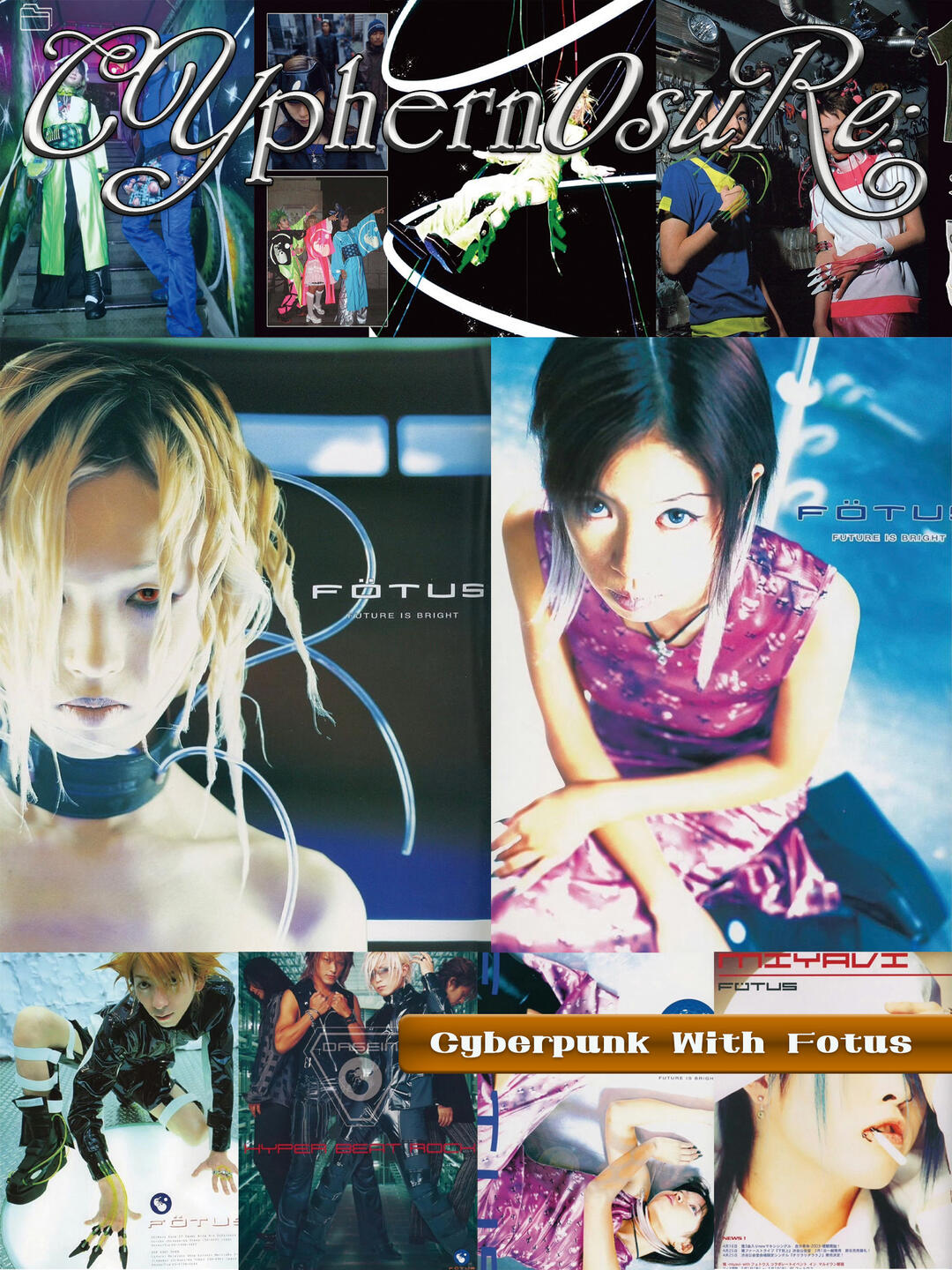
That is what makes Fotus useful now. Not because every look needs to be replicated, and definitely not because cyberpunk clothing should become another algorithmic uniform. It is useful because it shows how futuristic clothing can be built from material tension: shine against shadow, softness against hardware, body-conscious lines against protective volume.
The Shape Of Fotus Cyberpunk Fashion
The thing about cyberpunk fashion is that it is never really about looking like a character from a dystopian film. It is about how clothing makes the body feel adapted to a changed environment. Fotus understands that better than most nostalgic references currently floating around.
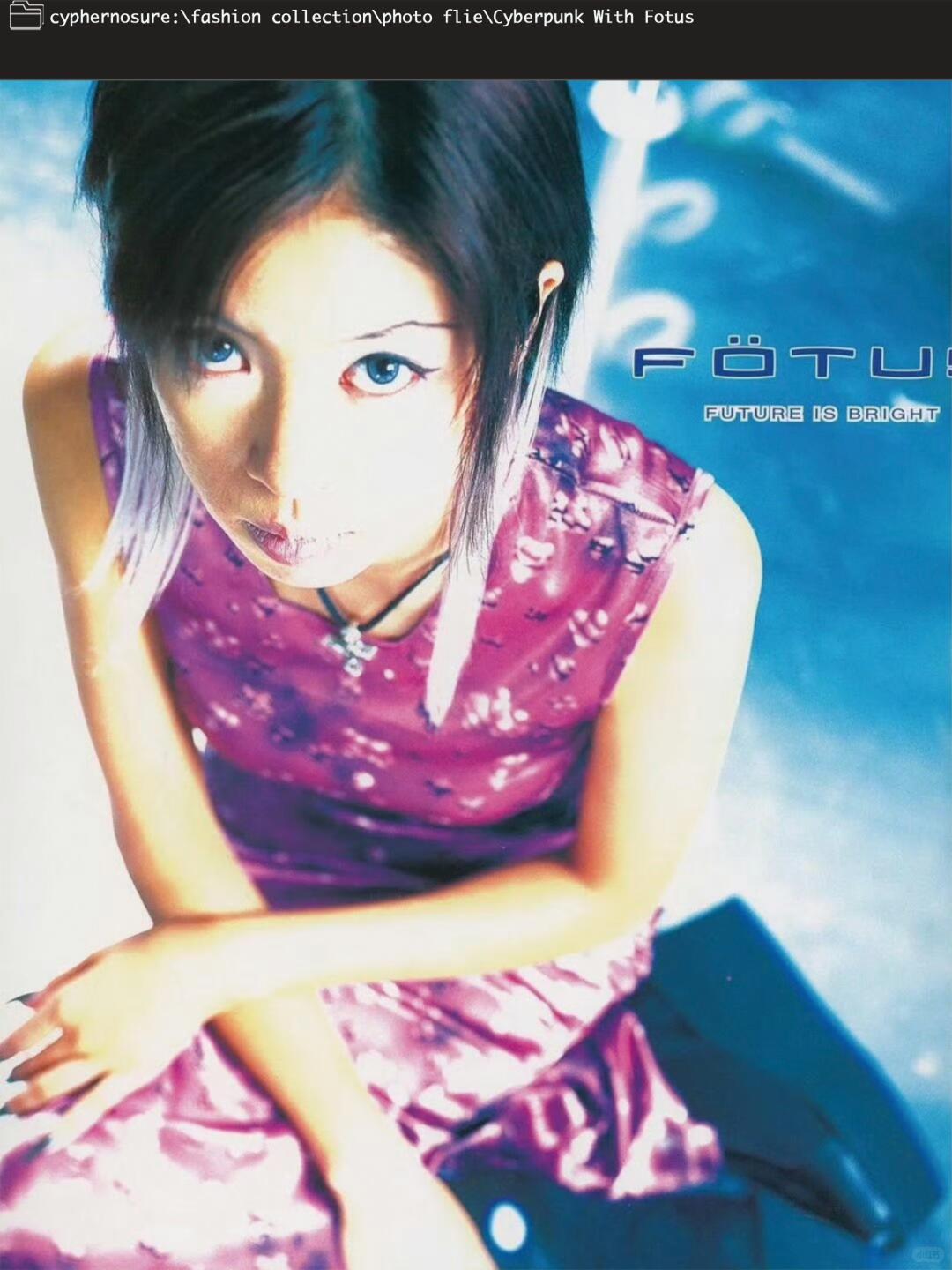
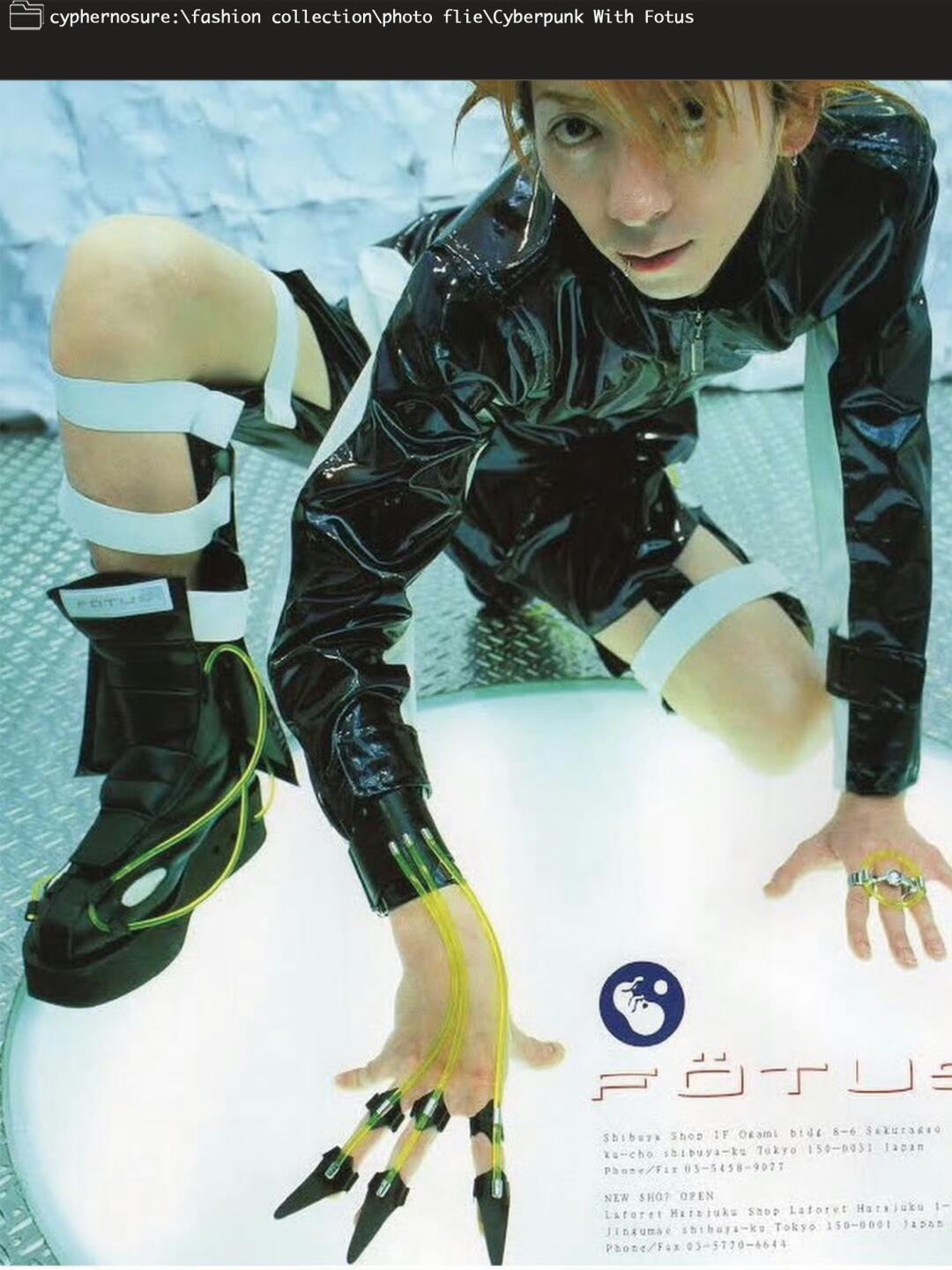
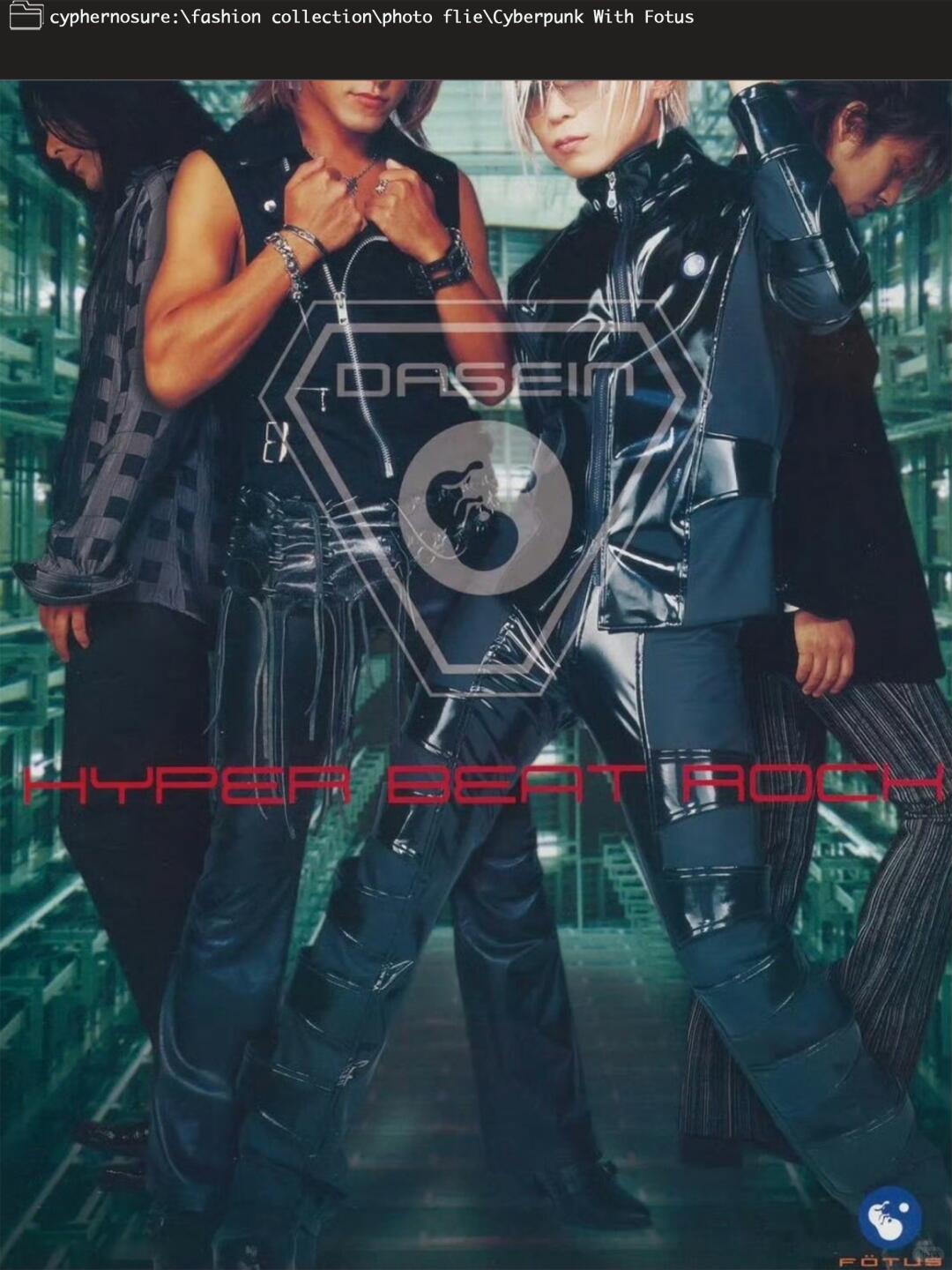
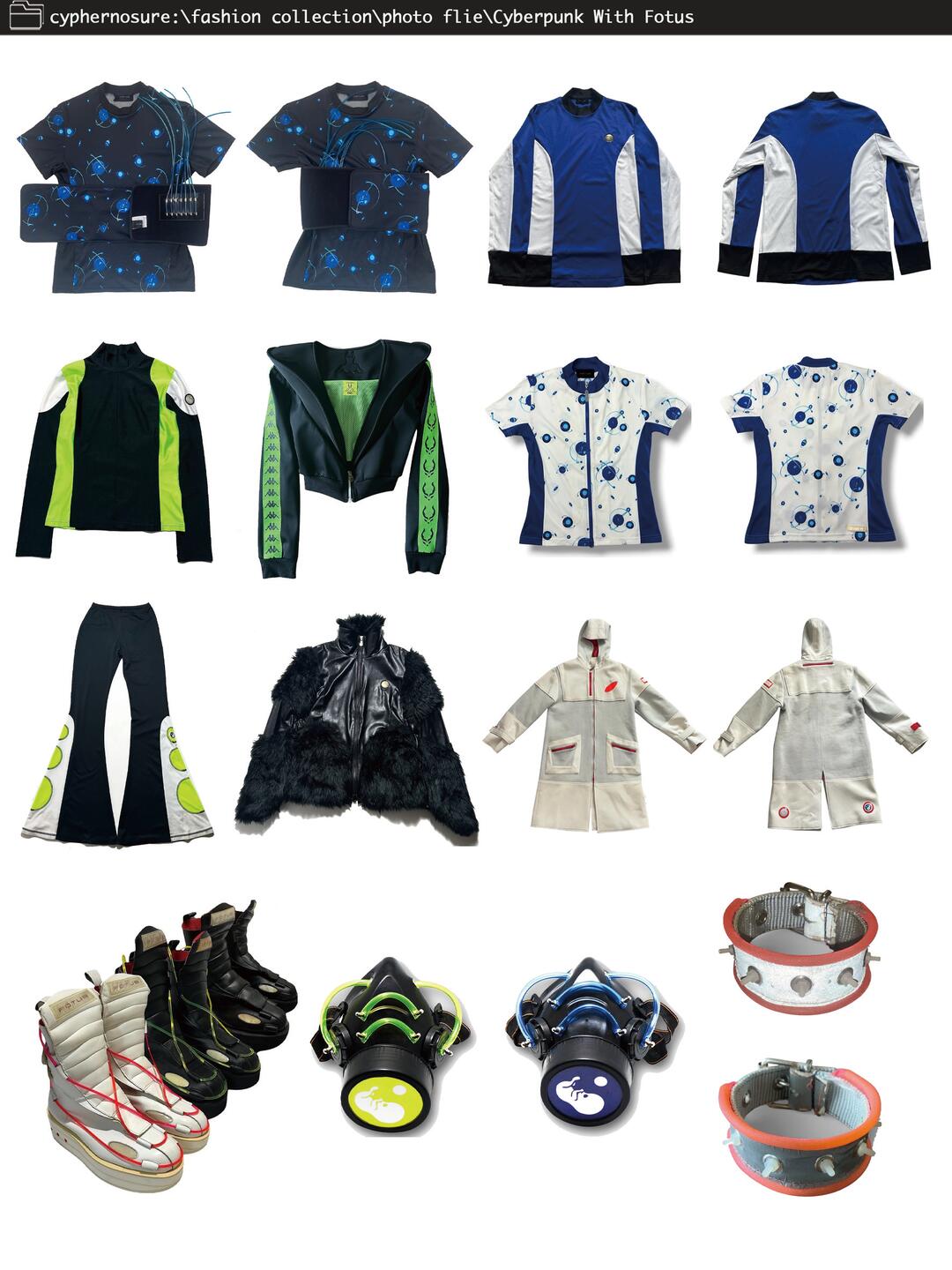
In the strongest Fotus images, the body is not swallowed by heavy utility. Instead, the silhouette stays strangely sleek. There are reflective surfaces, modular panels, high collars, compressed layers, synthetic shine, and accessories that look like they belong somewhere between medical equipment and club hardware. The result is cyberpunk clothing that feels precise rather than overloaded.
This is where Fotus separates itself from heavier techwear fashion. Techwear often starts with function, pocket systems, weatherproofing, and tactical reference. Fotus feels more psychological. The question is not only “what can this garment do?” but “what kind of person does this garment turn you into?” For broader context on how utility and fashion keep feeding each other, the Museum at FIT’s exhibition on utility as a fashion language is a useful reference point.
Why It Still Looks Current
Fotus does not look current because it predicts the future perfectly. It looks current because the future it imagined still has the same anxieties: bodies becoming interfaces, clothes becoming signals, accessories behaving like devices, and identity getting filtered through screens.
That is why Fotus clothing sits so naturally beside Y3K fashion and cybercore fashion now. The current internet wants futuristic fashion to be instantly readable, but the best Fotus looks resist that neatness. They are not just chrome for chrome’s sake. They have friction, and friction is the part that makes a look feel owned rather than simply referenced.
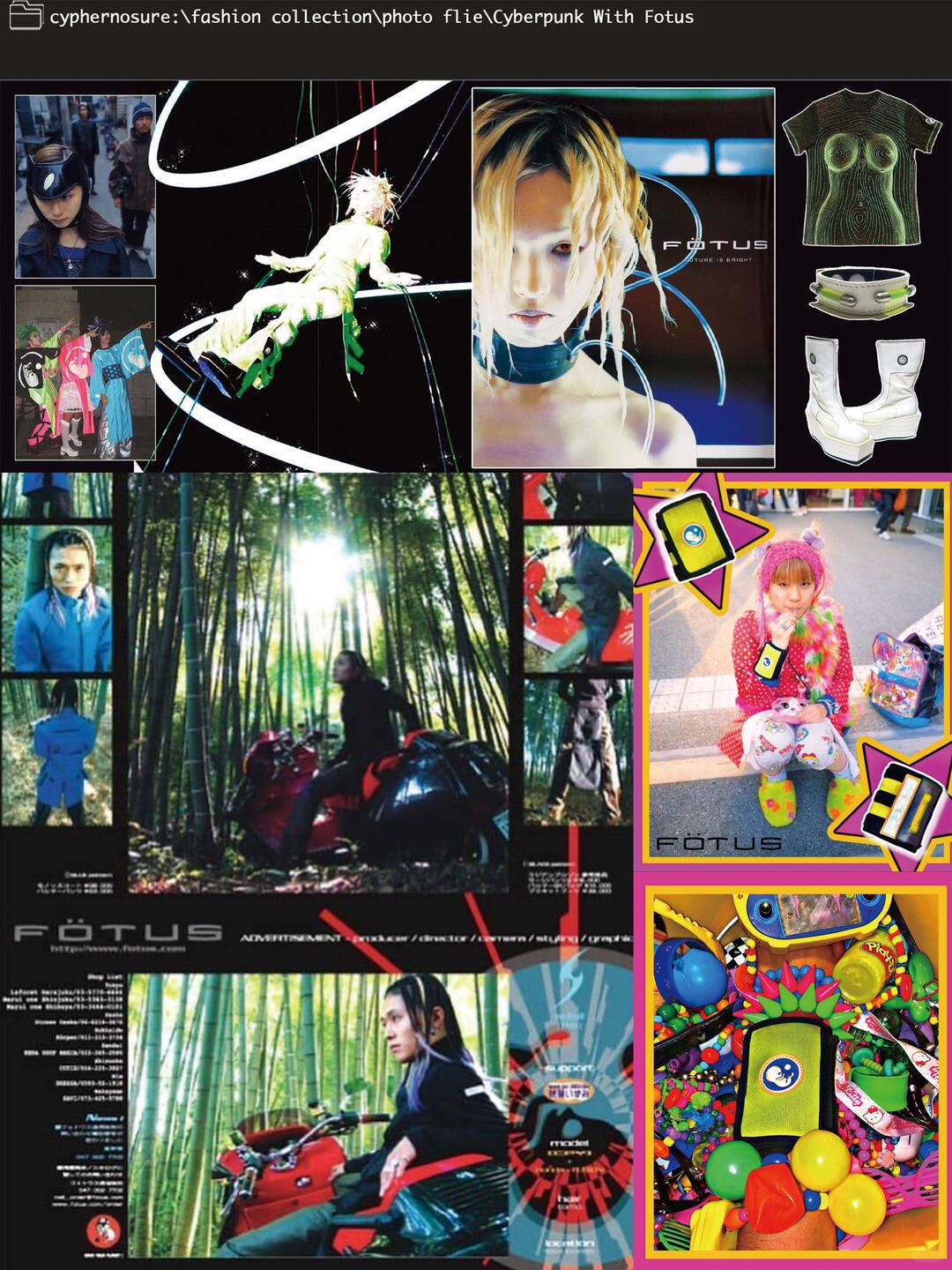
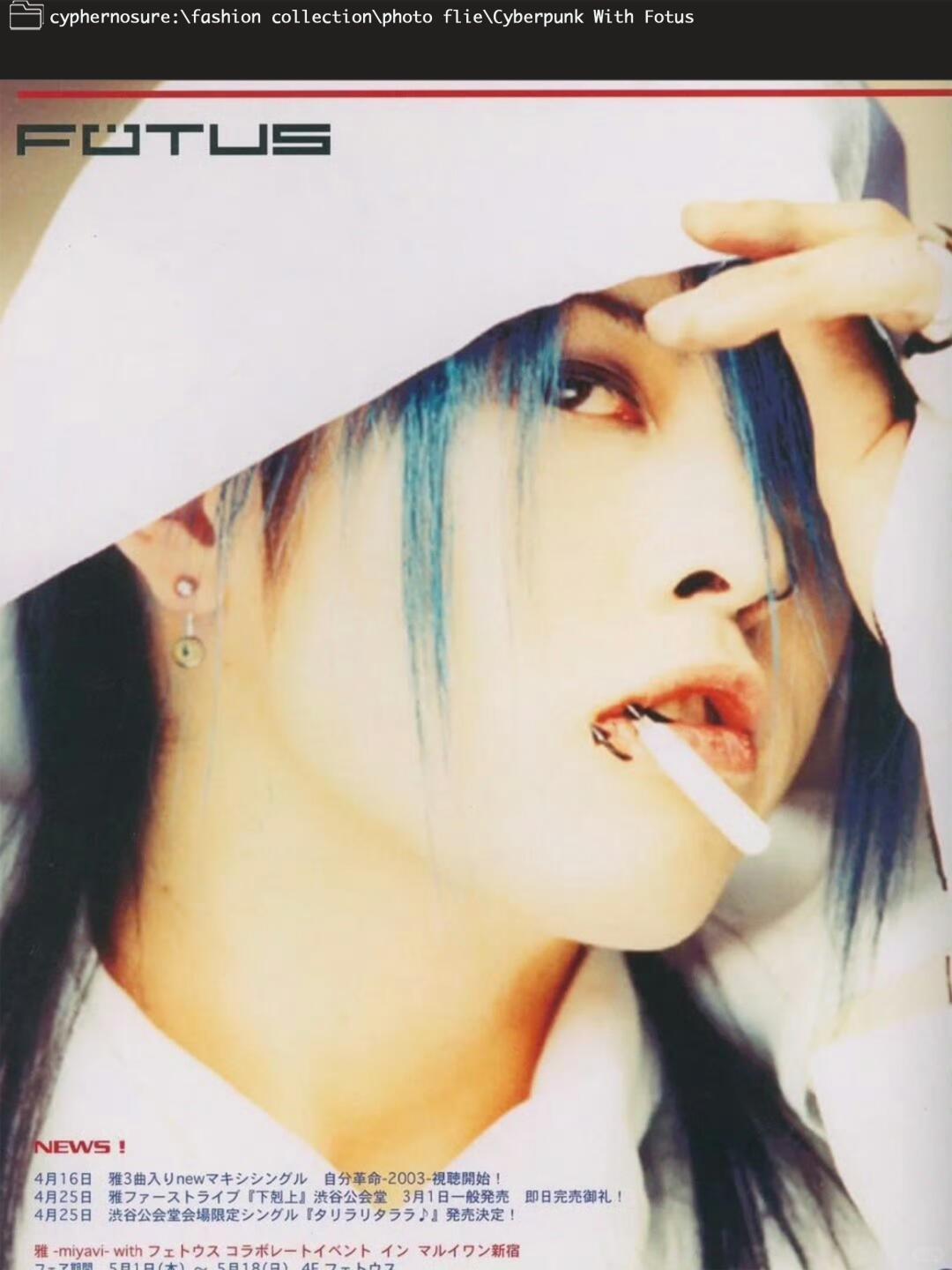
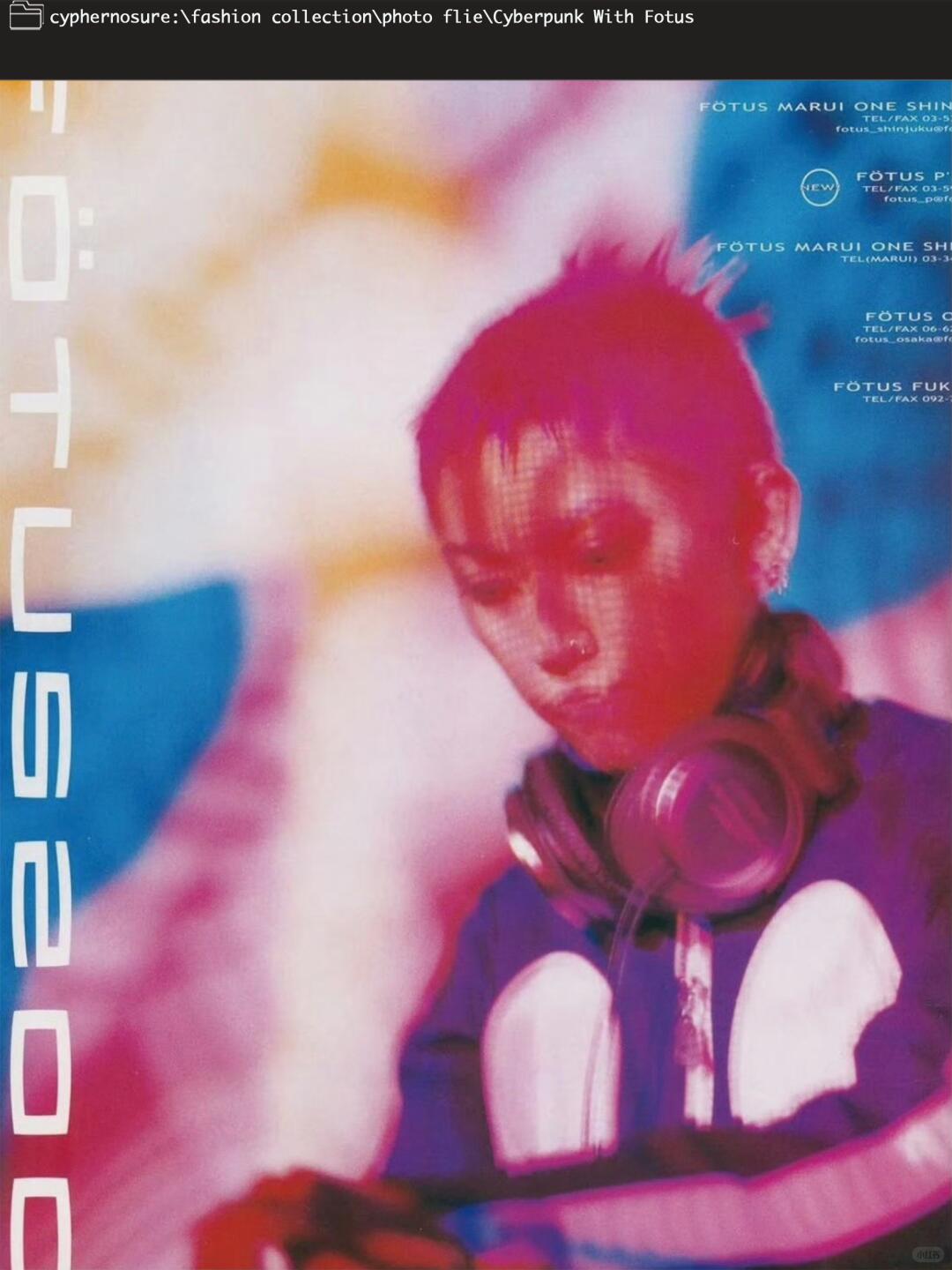
The Y2K Aesthetic Institute has archived Fotus-related visual material in its broader documentation of late-1990s and early-2000s future graphics, including advertising and visual references from the era. That context matters because Fotus belongs to a moment when futurism was not minimal in the clean tech-startup sense. It was glossy, rubberised, artificial, emotional, and occasionally absurd.
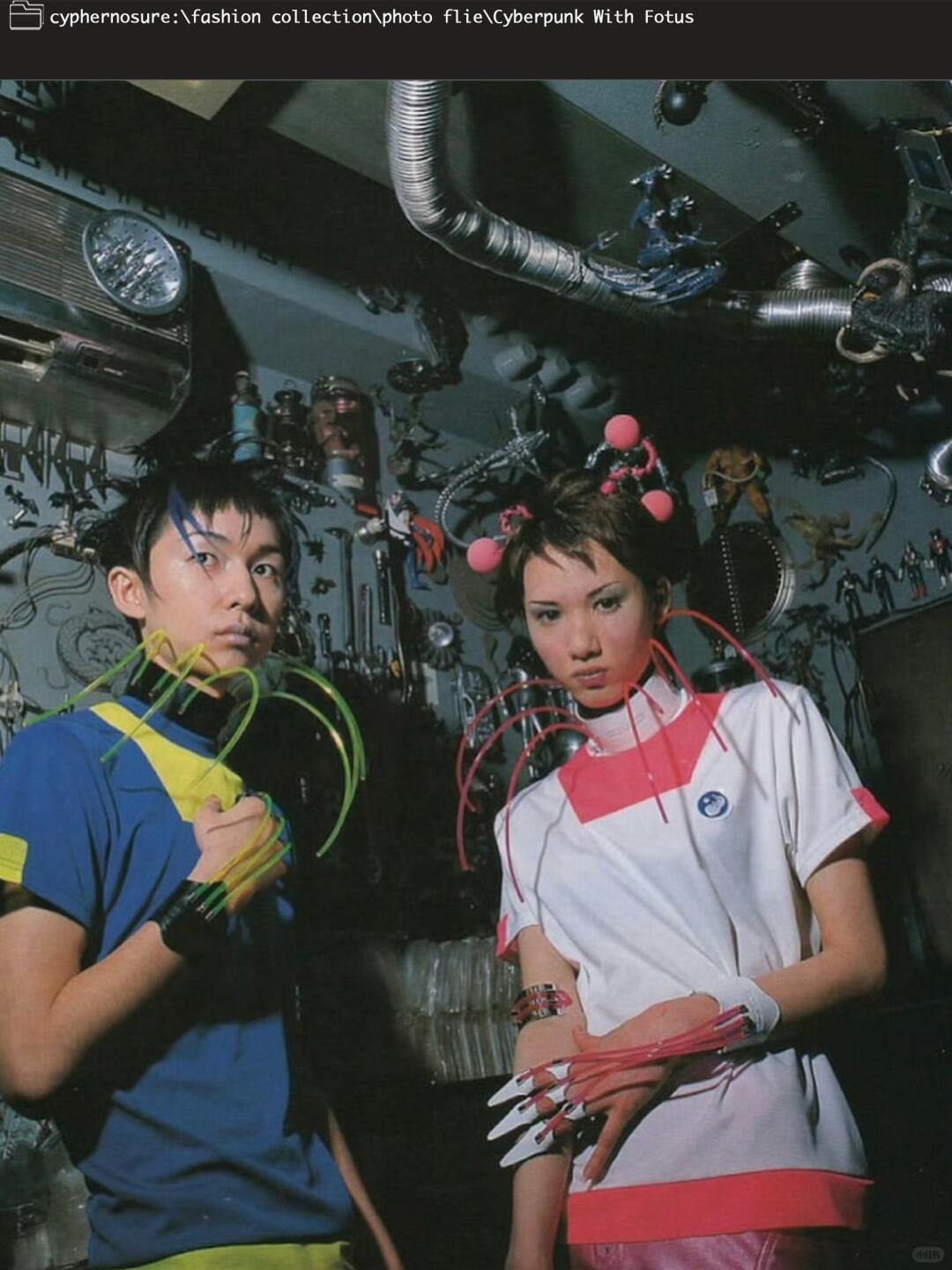
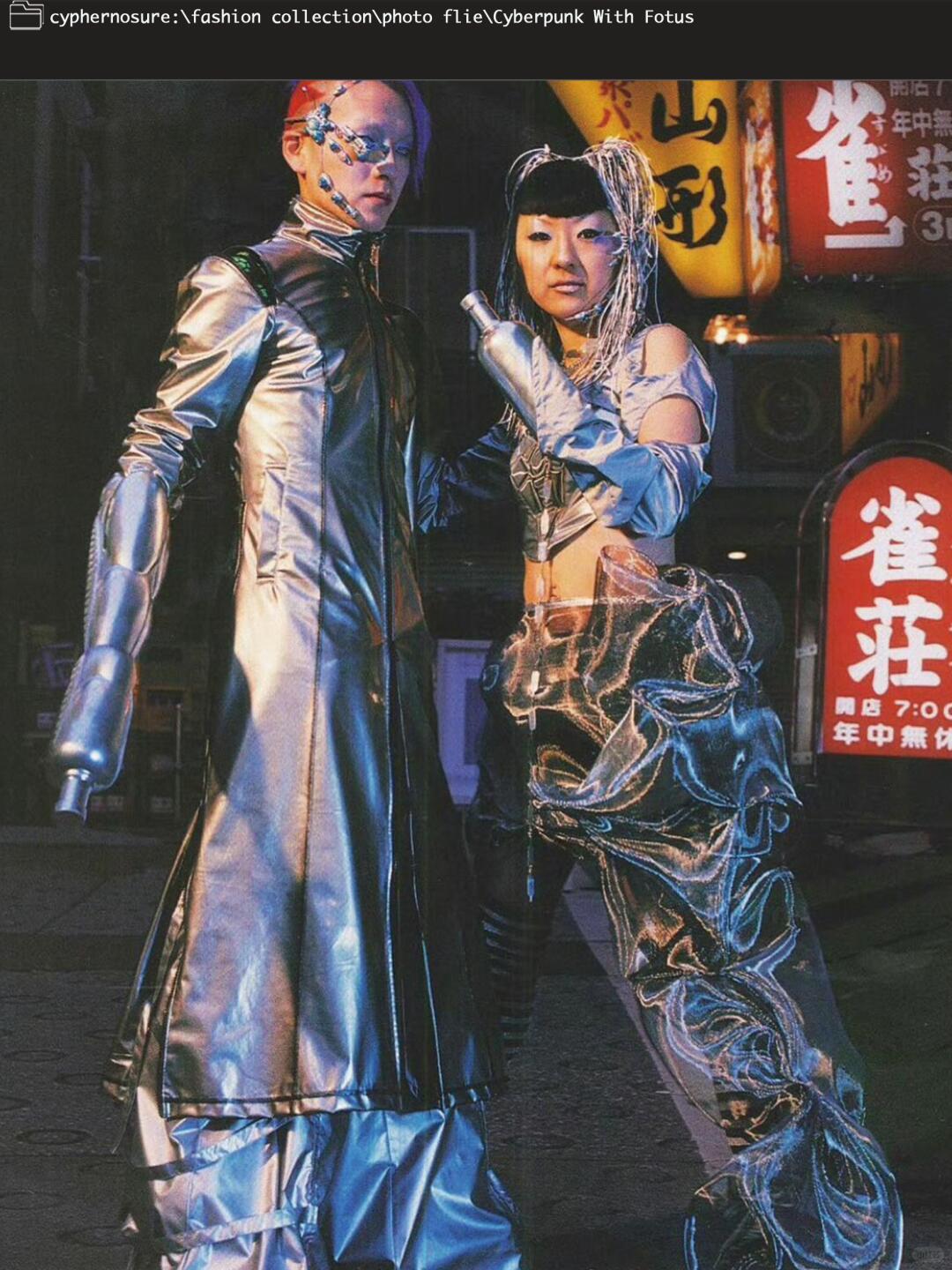
The Materials Are Doing The Talking
The main Fotus lesson is material discipline. If you are trying to build a cyberpunk outfit now, you do not need every futuristic reference at once. You need one or two materials that change the emotional temperature of the look.
Shiny silver makes the body feel engineered. Black mesh makes it feel exposed but protected. Rubberised surfaces read as synthetic skin. Reflective nylon gives movement a cold flash. A neon accent works best when it feels like a warning light, not a party decoration.
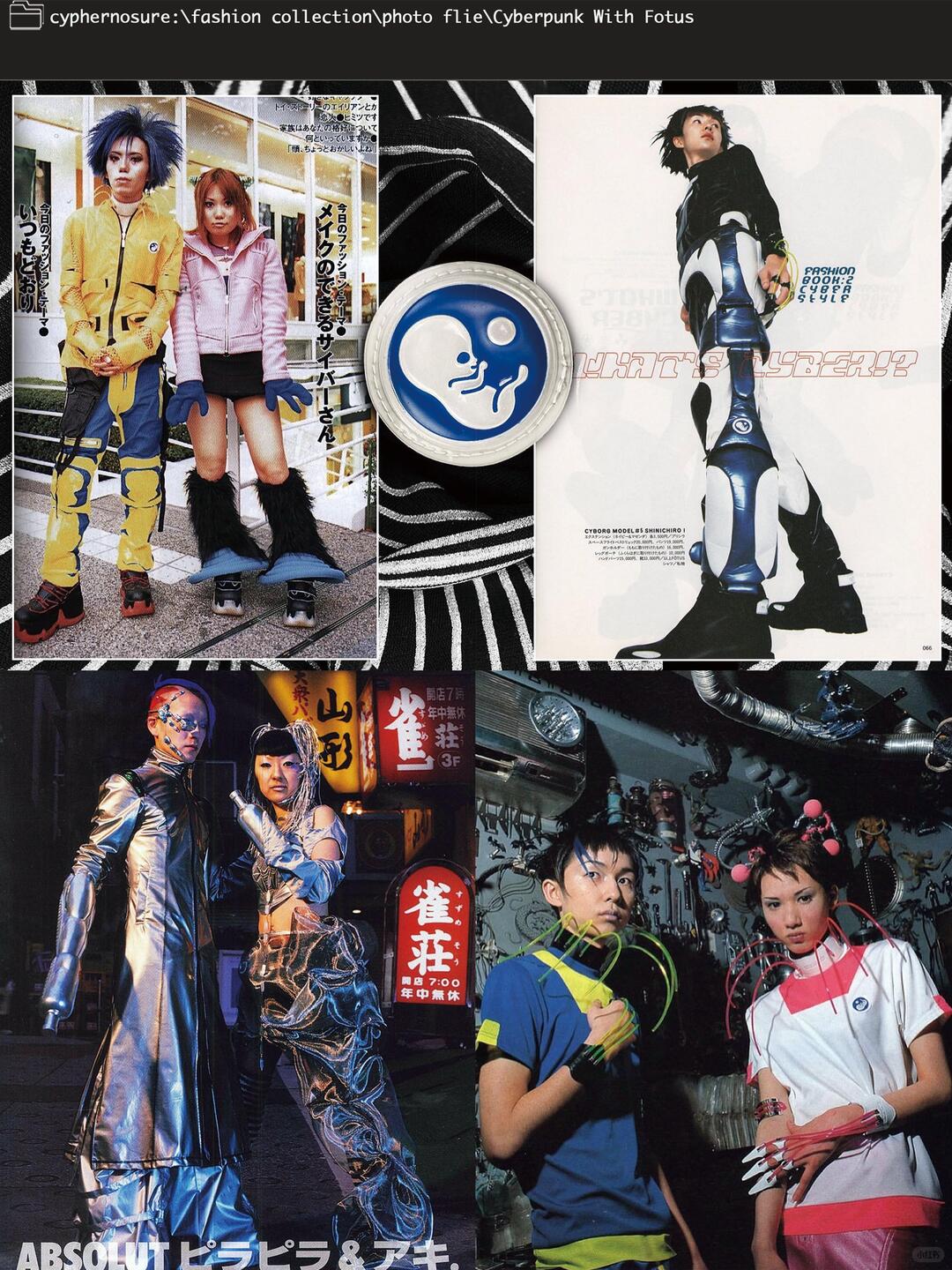
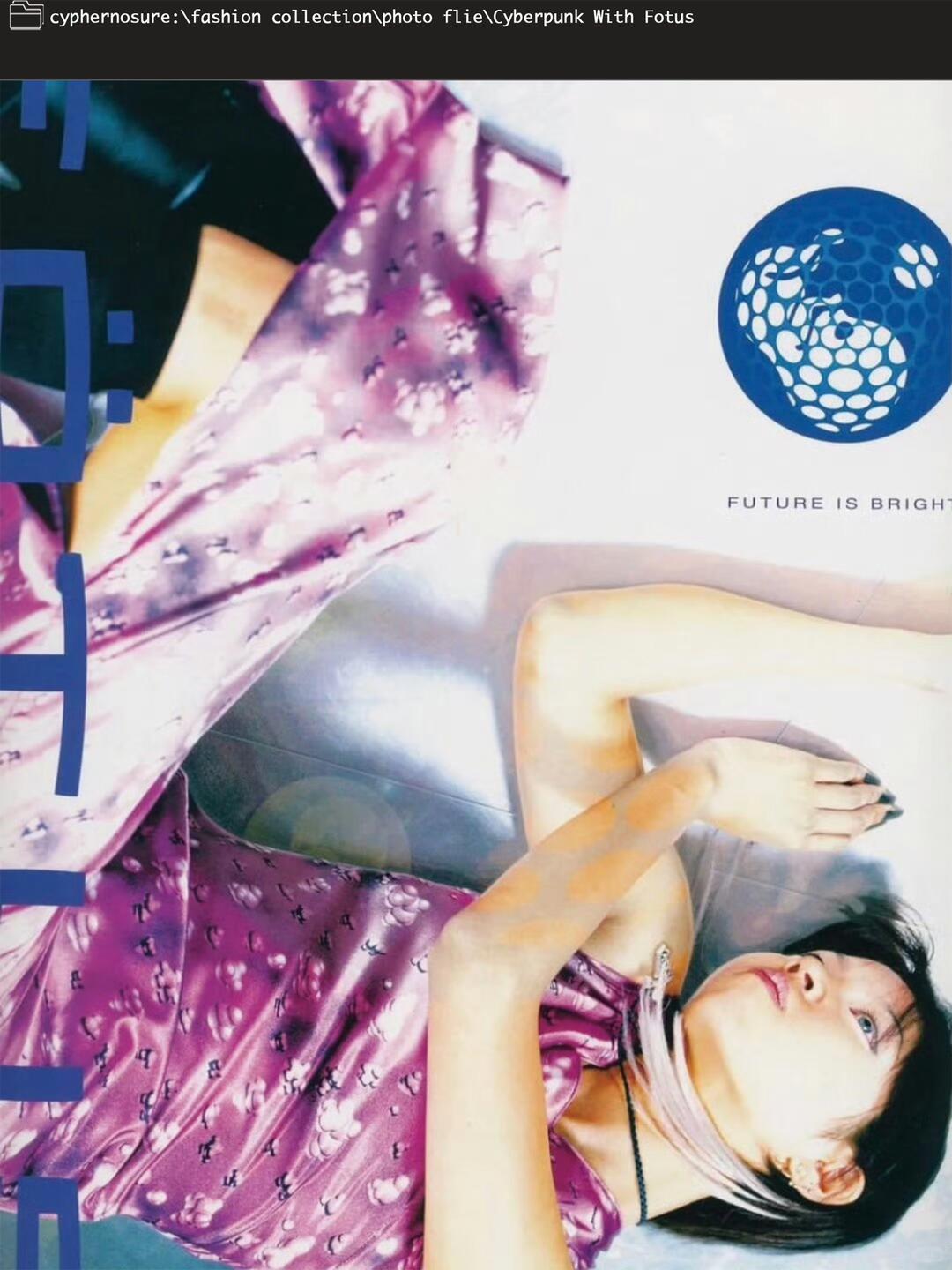
This is why retrofuturistic fashion can feel more convincing than brand-new “future” clothing. Older future visions often have a more specific texture. They were imagining technology before everything became a smooth rectangle in our hands. Fotus gives us straps, tubes, moulded surfaces, glints, seams, shine, and awkwardness. That awkwardness is valuable.
How To Style Cyberpunk Clothing Without Looking Like Costume
The easiest way to make cyberpunk outfits feel wearable is to reduce the number of sci-fi signals and increase the contrast around them. A silver jacket gets stronger with plain black trousers. A sculptural top becomes more believable with a worn leather belt. A futuristic bag looks better when the rest of the outfit has restraint.
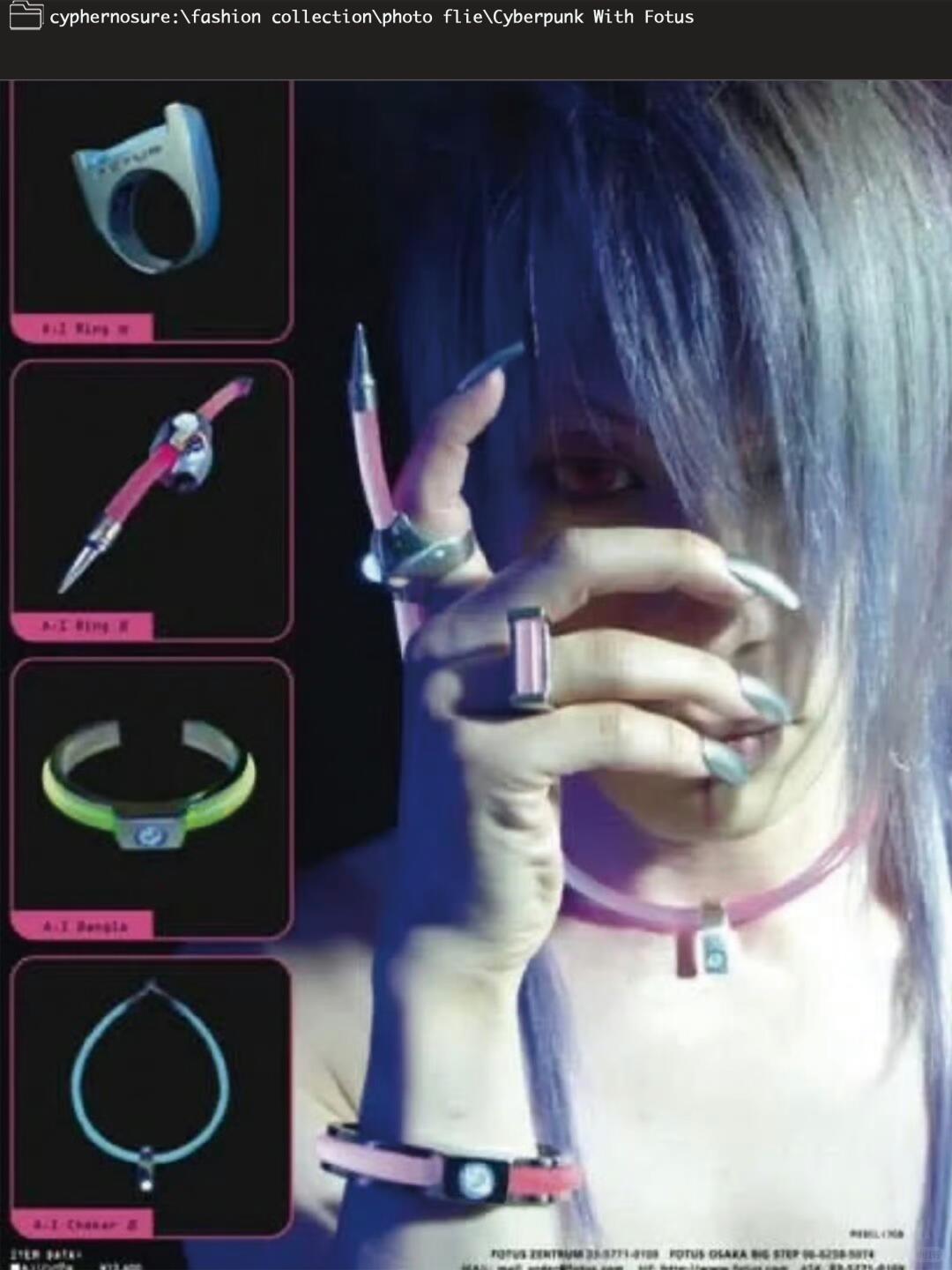
I would style Fotus-inspired cyberpunk fashion around five practical decisions:
- Start with one synthetic hero material: metallic nylon, coated black fabric, transparent vinyl, rubber, or reflective mesh.
- Keep the base silhouette close to the body, then add volume in one place: shoulder, sleeve, trouser, boot, or bag.
- Use black as a shadow, not as the entire outfit.
- Add one cyberpunk accessory with purpose: shield sunglasses, a sculptural headphone, a compact technical bag, or chrome jewellery.
- Leave something ordinary in the outfit so the future has a place to land.
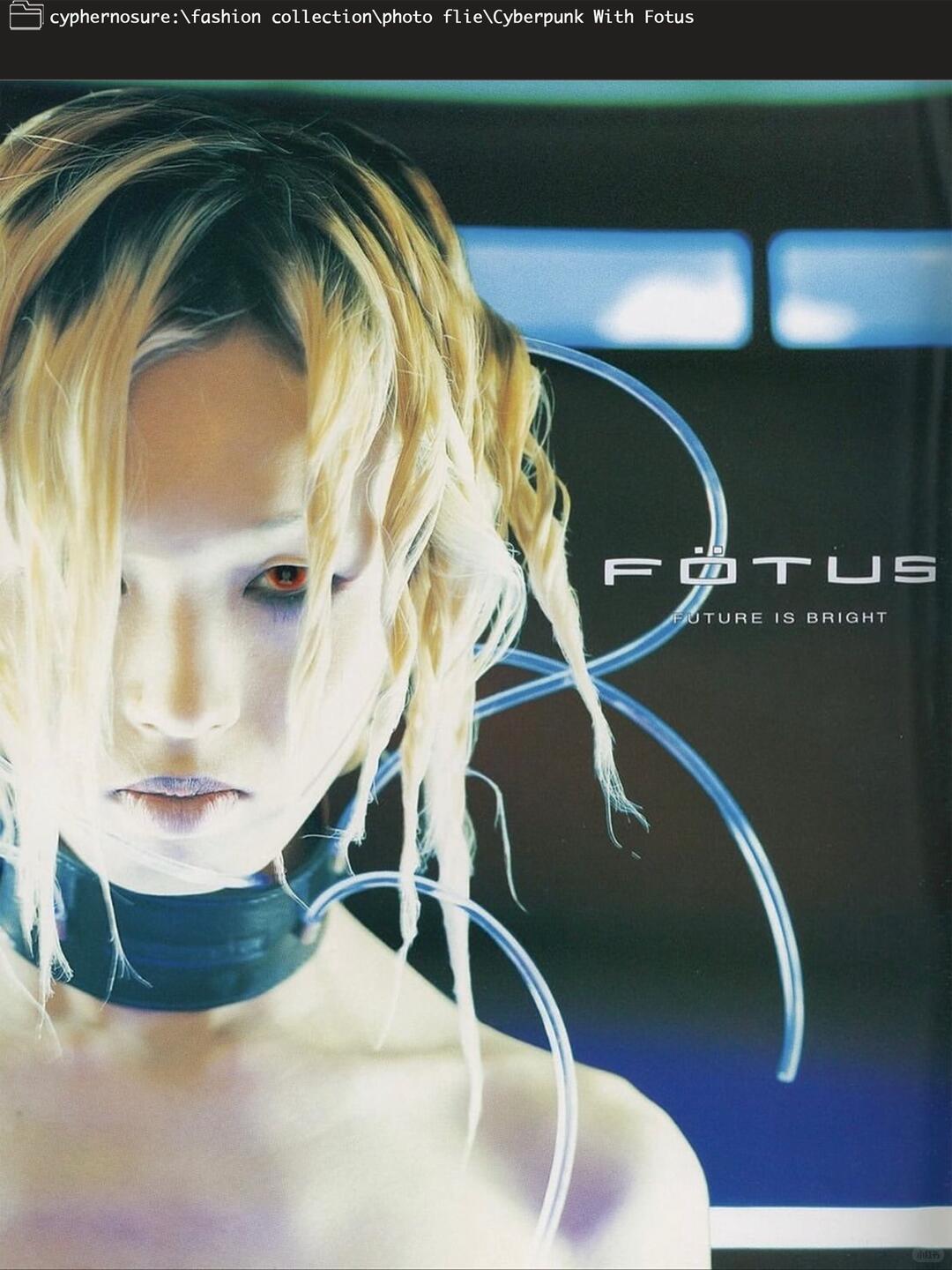
That last point matters. A completely futuristic outfit can tip into costume very quickly. A future-facing outfit with one stubbornly normal element, a plain tank, a simple skirt, a clean boot, becomes more interesting because it creates tension. The look stops performing a category and starts behaving like personal style.
What To Look For In Fotus Clothing
If you are searching for Fotus clothing or using Fotus as inspiration, look less at logos and more at design behaviour. Good cyberpunk clothing usually does at least two things at once. It protects and reveals. It looks technical and emotional. It feels hard in material but intimate in fit.
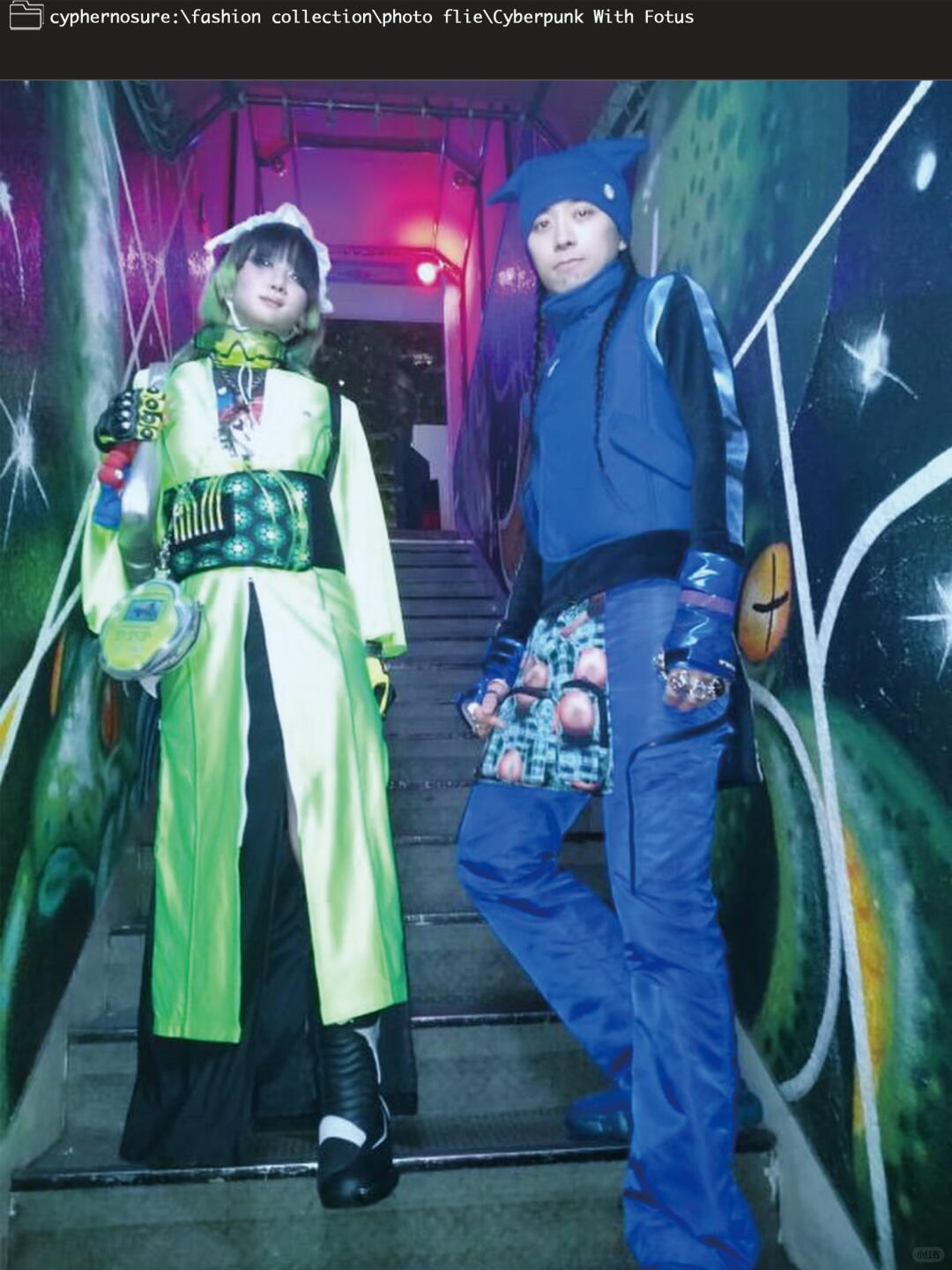
Strong Fotus-adjacent pieces often have:
- High necklines or close collars.
- Curved seam lines that follow the body.
- Reflective or synthetic surfaces.
- A strange accessory logic, especially around hands, face, head, or bag placement.
- A cold colour palette interrupted by one bright warning colour.
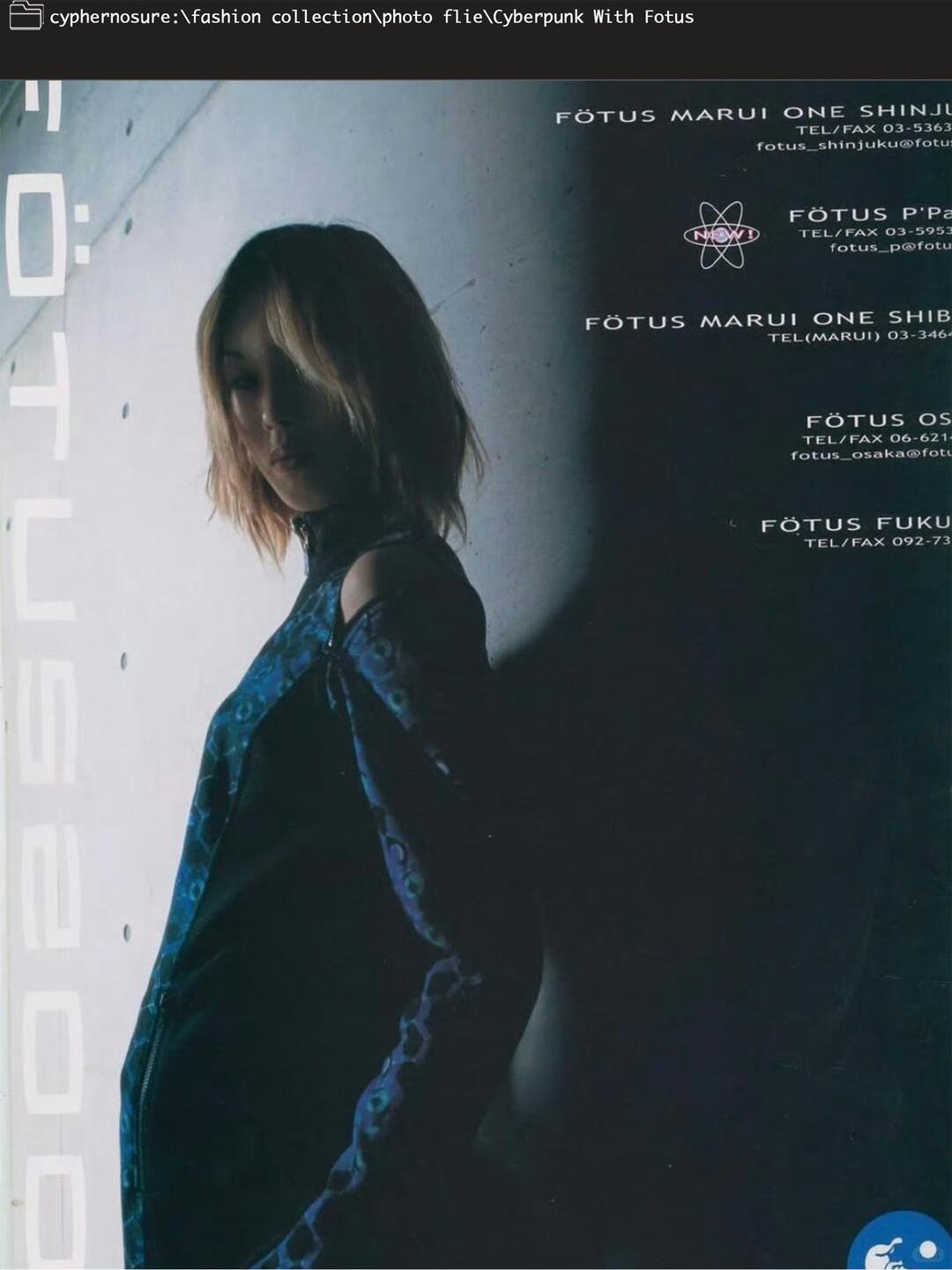
The best cyberpunk clothing brand references do not make you look like you are wearing a costume from somebody else’s future. They give you tools to build your own. Fotus still has that power because its future was never generic. It was bodily, weird, glossy, and a little uncomfortable.

FAQ
What is cyberpunk fashion?
Cyberpunk fashion is a style language built around futuristic urban survival: synthetic materials, dark palettes, hardware details, shield-like accessories, body-conscious layers, and a slightly dystopian mood. The strongest versions feel adapted to a high-tech city rather than dressed up for a theme.
How do you style cyberpunk clothing in a wearable way?
Use one strong futuristic piece and let the rest of the outfit support it. Metallic trousers, a coated jacket, a sculptural bag, or chrome eyewear can carry the cyberpunk direction without needing every garment to shout the same idea.
Where can you buy cyberpunk clothing?
Search by both brand and design language. Fotus clothing is usually a resale or archive hunt, but related terms like cyberpunk streetwear, futuristic clothing, Y3K fashion, techwear fashion, and cybercore fashion can surface newer pieces with a similar attitude.