
What Is Cybersigilism?
A 2026 guide to the cybersigilism aesthetic, from cyber sigilism tattoos and neo-tribal linework to fashion, identity, trend fatigue, and body autonomy.
I keep thinking about the problem of wanting to look like you mean something.
Not meaningful in the obvious sense, necessarily. Not a date in Roman numerals, not a small recognizable thing you loved enough to make portable and permanent, not a phrase that can be explained in one sentence to the person standing behind you in line for coffee. I mean the other kind of meaning, the one that looks like it arrived before language did. A shape that seems to say: something happened here, it belongs to me, and no, I am not going to make it legible just because you are looking.
This is, I think, where cybersigilism starts to make sense.
The Cybersigilism Aesthetic
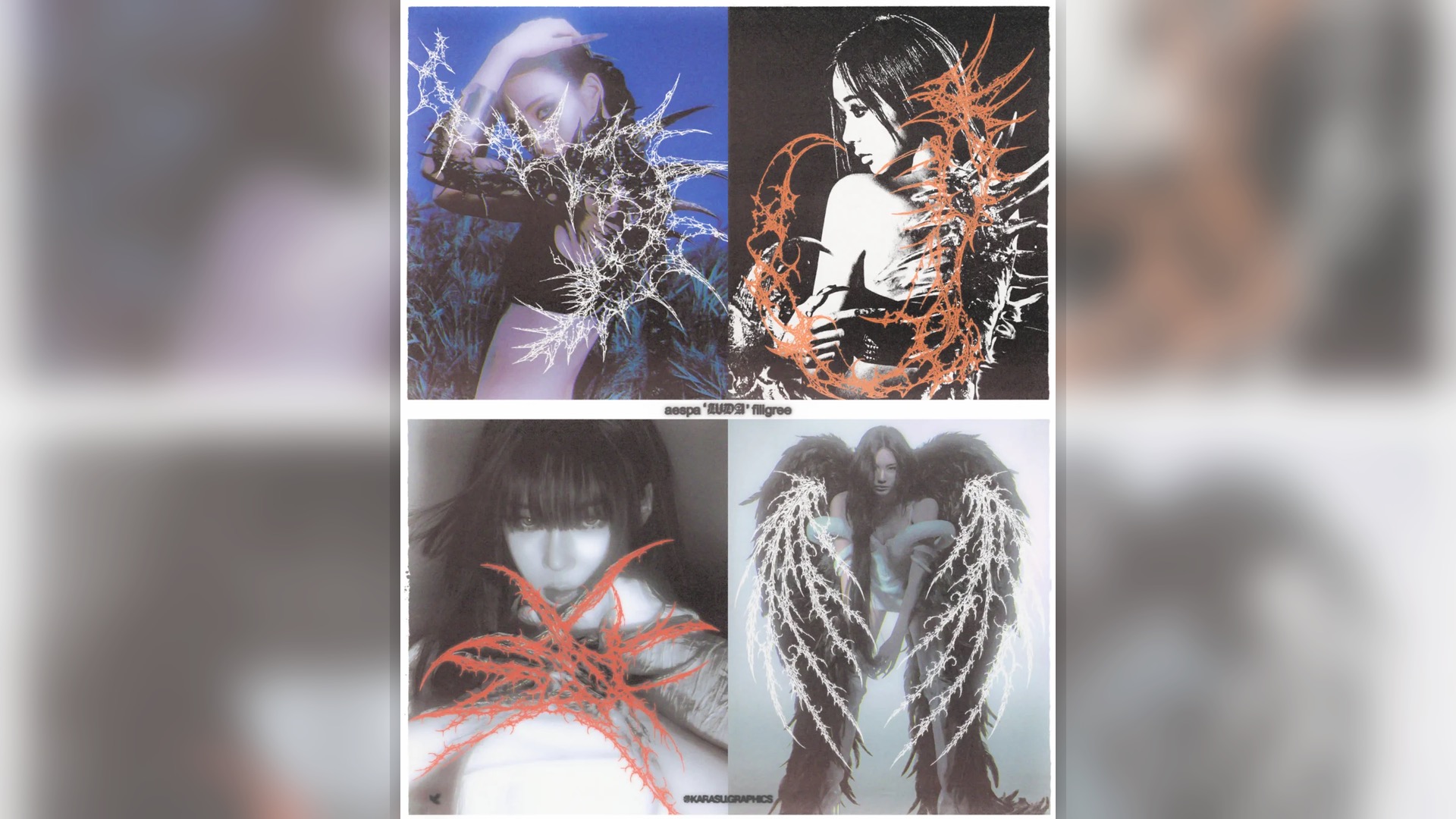
You have probably seen it by now: thin black lines, sharp enough to feel a little hostile, arranged across a spine or sternum or lower back or shoulder blade in a way that looks part rune, part circuit board, part metal band logo, part decorative scar from a video game character who has not been unlocked yet. It is often called cybersigilism, cyber sigilism, cyber tribal, neo-tribal, Y2K tribal, all of which are useful names and also imperfect ones, because each seems to grab one side of the thing and leave the rest pulsing somewhere underneath.
The oldness is there, of course. So is the internet. So is the club. So is the body.
A GQ piece on cybersigilism tattoos places the style near underground rave culture, video games, queer and trans body autonomy, and early artists including Aingelblood and Pradagoth, which feels more accurate than saying the tribal tattoo is simply back. The important thing is not only that these marks resemble earlier blackwork. It is that they look like blackwork after the internet has moved into your nervous system.
Why Cybersigilism Tattoo Placement Matters
What gets lost when the style is described too quickly is how much it depends on placement.
A cybersigilism tattoo is rarely most compelling when it behaves like a sticker. The strongest versions seem to find a bone line or a dip or a hinge and then exaggerate it. They climb the spine, frame the sternum, sit under the collarbone, split across the lower back, or bend around the ribs. They work when the mark feels less like an image placed on skin and more like a system that has located the body’s architecture and decided to reveal it.
Which is maybe why bad cybersigilism can look so bad. If the line has no relationship to the body, the whole thing collapses into clip art.
From Tattoo To Accessory
I understand the appeal most clearly when I think about accessories.
Jewelry has always been able to perform this very small but decisive job where it makes regular clothes feel intentional. A tank top is a tank top until a pendant sits inside the collarbone. A black sweater is a black sweater until a bracelet catches the side of the hand. A pair of jeans is just a pair of jeans until the belt is doing something bossy enough to make the rest of the outfit relax. You do not always need the object to mean something exact. It just has to make the body feel edited.
Cybersigilism is like that, but with the dial turned up until the edit looks permanent, maybe even a little possessed. It gives the accessory’s job to the line. The body becomes the styling surface and the message at the same time.
And this, maybe, is why the question of meaning feels so slippery. The mark can look deeply significant without being easily translated. It can appear spiritual without belonging to a shared religion, digital without being clean, decorative without being sweet. It is not that the wearer has no meaning attached to it; it is that the meaning does not have to become public just because the mark is visible.
That feels very of now to me.
We spend so much time making versions of ourselves that are adjustable before they are embodied: avatars, usernames, close friends lists, saved folders, moodboards, screenshots, private notes, profile pictures, outfits planned for lives we are almost but not quite living. A cyber sigilism tattoo can look like one of those digital selves has crossed back over and left evidence.
Cyber Sigilism In Fashion And Clothing
Then fashion gets involved, as it always does when a private charge becomes legible enough to circulate.
An Esquire India overview of the cybersigilism aesthetic follows the style through tattoo culture, Berlin club references, streetwear, fast fashion, music, and celebrity bodies. The movement from skin to clothing is not incidental. A graphic tee makes the mark flatter and easier to remove. A hoodie turns it into a badge. A phone case turns it into atmosphere. Temporary tattoos let you borrow the charge without making a permanent decision, which is maybe the most contemporary version of the whole thing.
This is where the line between tattoo and outfit starts to get weird.
Because a tattoo used to be, at least in the imagination around tattoos, the opposite of getting dressed. Clothes were mutable. Ink was the decision. But when the tattoo itself belongs to a visual cycle moving at the speed of TikTok, it starts to behave more like fashion even as it remains, materially, not fashion at all. It is both outfit and evidence. Costume and archive. A thing you can style around and a thing you have to live with when the styling moment has passed.
Will Cybersigilism Age Well?
This is also where the anxiety enters.
A Village Report piece interviewing Toronto tattoo artists about 2025 tattoo trends describes cyber sigilism as popular with Gen Z but divisive among artists, some of whom worry about its sketchy linework, trend cycle, and the difficulty of covering large abstract pieces later. Fine black lines are still ink in skin. A mark that looks electric when it is fresh can blur, soften, or lose its edge if the spacing, placement, and execution are not working hard enough.
But the aging question is not separate from the aesthetic. It is the aesthetic’s shadow.
The internet teaches us to treat the self as updateable. Tattoos insist, or at least used to insist, that the self leaves evidence. A Byrdie essay on millennial and Gen Z tattoo trends is useful here because it names the speed problem: tattoos have always reflected the culture that produced them, but social media has accelerated how quickly those reflections become identifiable. It is one thing for a shoe to date you. It is another thing for the side of your ribs to do it.
But is that actually so bad?
I ask because I don’t think we are honest enough about how much of getting dressed, getting tattooed, buying shoes, cutting hair, or choosing a bag is just consenting to be dated. There is no pure place outside the visual weather. You can dress in the most classic clothes you own and still betray the decade in the cut of the trouser, the height of the sock, the shine of the leather, the shoulder line. You can get the most personal tattoo in the world and still choose the line weight of your time.
Maybe the more useful distinction is not timeless versus trendy, but borrowed versus metabolized.
A borrowed cybersigilism tattoo is the one that arrives as a reference image and never goes further than vibe. It might still look good. Plenty of things look good. A metabolized one has done a little more work. It has found the right part of the body. It has considered scale. It has an artist who can make negative space breathe. It has some relationship to the person wearing it, even if that relationship is not easily paraphrased. It does not need to become a thesis about identity to be real, but it probably needs to be more than an outfit you cannot take off.
The same is true for cybersigilism clothing, which can become costume very quickly: black mesh, silver hardware, mirrored sunglasses, spiky tattoo, spiky print, spiky nails, the whole algorithmic altar. Sometimes that is exactly the point, and I respect a costume when it knows it is a costume. But the stronger everyday version is usually quieter. One sharp graphic against worn denim. A thin black mark under a white tank. A silver ring that echoes the tattoo but does not repeat it. A hoodie that carries the motif while the rest of the outfit stays almost boring.
Two parts regular life to one part cursed interface, maybe.
The lazy versions will probably expire first. That is what happens to strong visual codes once they become widely available. The weaker copies announce the trend too loudly; the better versions detach from it and become someone’s personal archive.
I think that is why I can’t dismiss cybersigilism, even as I can see the overexposure happening in real time. There is something moving in the wish to turn the body into a diagram only the wearer fully understands. Something funny too, because of course the thing designed to resist explanation has become an explainer topic. But under the content cycle and the celebrity references and the arguments about whether it is just tribal with a better router, there is still a simple dressing question with higher stakes:
What can I put on my body that makes it feel more like mine?
And if the answer, for now, looks like a spell rendered by a broken machine, I kind of get it.