
Apple Watch Series 12 and Ultra 4: When Materials Become Part of the Wearable
Apple Watch Series 12 and Ultra 4 reveal how ceramic, titanium, and a wetsuit-ready Hermès band reshape the wearable on the body.
TL;DR
- Series 12 and Ultra 4 share a health-sensing platform but present different relationships to the wrist.
- Series 12 uses ceramic finishes to move the watch closer to everyday styling.
- Ultra 4’s Hermès Grand H band treats a wetsuit as a clothing-layer problem.
- The larger product question is how a wearable negotiates with the body around it.
Why Does the Wrist Matter to Apple Watch Design?
A watch band that expands over a wetsuit is a very specific product decision.
It is also a very revealing one.
Apple announced Apple Watch Series 12 and Apple Watch Ultra 4 on September 9, and both launches are carrying the same new platform story: the S11 chip, the Health Sensing System, higher-frequency heart-rate and HRV readings, and a new readiness score. The health language is familiar. The wetsuit detail is not.
The Apple Watch Hermès Ultra 4 introduces a Grand H titanium band with a built-in extension mechanism designed to fit over a wetsuit.
That is not just an accessory detail. That is Apple acknowledging that the watch does not live on an abstract wrist. It lives on a wrist under a sleeve, under a cuff, next to a bracelet, above a glove, or on top of a very particular layer of technical clothing.
At the same time, Series 12 is arriving in Pearl White and Night Blue ceramic, with Apple describing the design as thin and light enough to wear all day and all night.
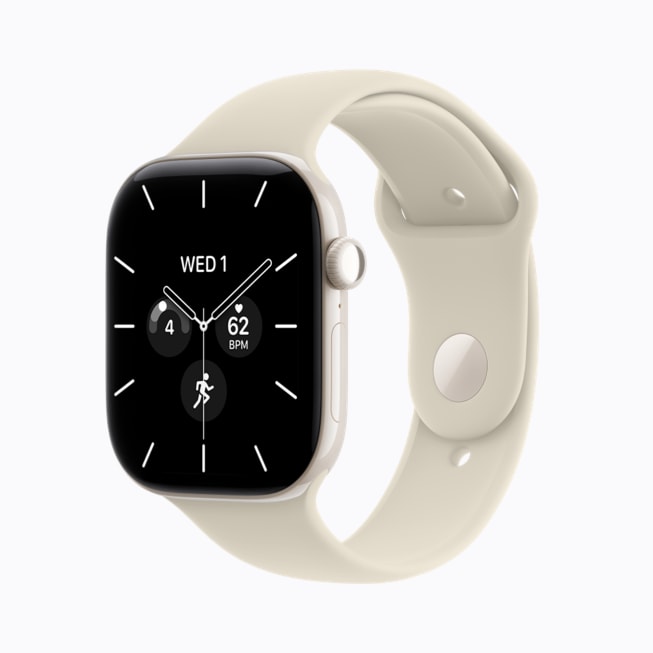
One watch is talking about the body through sensors. The other is talking about the body through clothing.
TL;DR: Apple is not suddenly making a fashion watch. It is doing something more interesting: making the case, the finish, and the band part of the wearable’s identity.
Why Are Apple Watch Materials Part of the Product?
For years, the smartwatch product story was mostly a rectangle plus a list of measurements.
Heart rate. Steps. Sleep. Notifications. Battery.
Then the fashion question would arrive later, usually as a color option or a celebrity campaign.
The new Apple Watch announcements are still full of health and fitness claims, but the physical choices are doing more of the editorial work. Ceramic is not only a material. Titanium is not only a durability shorthand. A wetsuit extension is not only a clever piece of hardware.
These choices tell us what kind of body Apple is designing for, and what kinds of lives the company wants the watch to enter.
This is where wearable technology gets more complicated than a product category. The wrist is simultaneously a health interface, a piece of equipment, and a visible accessory. The watch has to perform all three jobs without looking like it is confused about which one matters most.
How Does Apple Watch Series 12 Use Ceramic to Change Its Design?
Series 12 has a lot going on underneath the face.
Apple says its new Health Sensing System works with the S11 chip to support more frequent heart-rate and HRV readings, along with the new readiness experience. The company is pushing the watch deeper into the daily body-management routine: how recovered are you, how much energy do you have, should you push or pace yourself?
That is the interface story.
The material story is Pearl White and Night Blue ceramic.
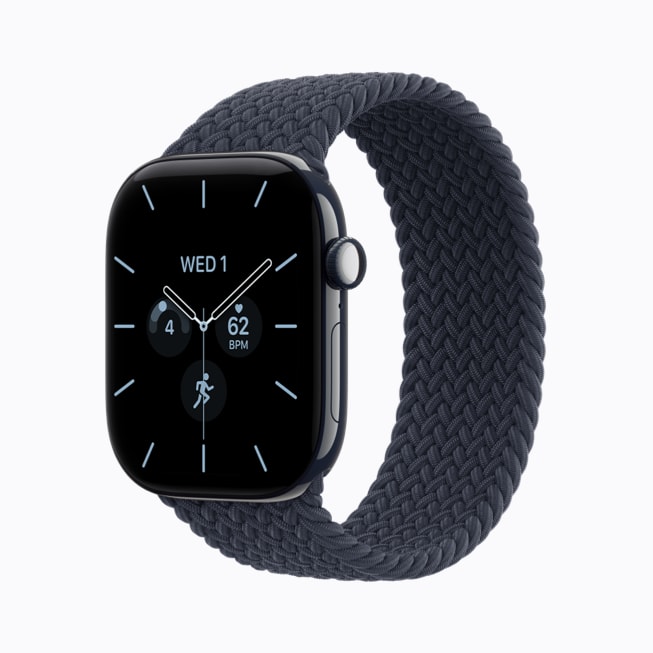
Apple already knows how to make a watch look technical. Aluminum, titanium, sensors, a digital crown, the glowing green underside. The visual language says equipment. It says this object is collecting information from you while you move through the day.
Ceramic changes the temperature of that message.
Not because ceramic makes Series 12 a piece of jewelry. It does not. The watch is still a screen, a health device, and a very recognizable Apple Watch. But Pearl White and Night Blue place the object closer to finish, color, and surface than to the usual language of sports equipment.
That matters when the product is meant to stay on the body overnight, through a workday, and into whatever comes after. If Apple wants the watch to be worn constantly, it cannot only design for the moment when a person is exercising. It has to design for the moments when the watch is sitting beside a knit cuff, a watch stack, a wedding ring, a dark blazer, or a soft shirt.
The new colors are not proof that everyone wants a ceramic health device. We do not have that evidence. But they are a clear design move toward a watch that can participate in a styling decision.
Health tech wants data. The body also wants a finish.
This is a familiar fashion-tech problem. The function may be impressive, but the object still has to survive the mirror. A product can be useful and still feel visually wrong. It can have the right sensors and still look like the thing you forgot to take off after the gym.
Apple’s thin-and-light language is important here too. It is not only about comfort, and I am not treating the announcement as a firsthand comfort test. It is a product promise about continuity. A thinner, lighter watch is easier to imagine as part of a twenty-four-hour body routine, not just a piece of workout equipment.
Series 12 is being positioned as the watch that stays with you.
The ceramic finish helps explain what it should look like while it does.
Why Does Apple Watch Ultra 4 Need a Wetsuit-Ready Hermès Band?
Ultra 4 is a different character.
Apple calls it a sports and adventure watch. It comes in natural and black titanium. The messaging is built around longer outdoor workout tracking, GPS, health sensing, and the kind of ruggedness that makes the watch look ready for a route, a dive, or a bad weather decision.
Then the Hermès Grand H band arrives with an extension mechanism for fitting over a wetsuit.
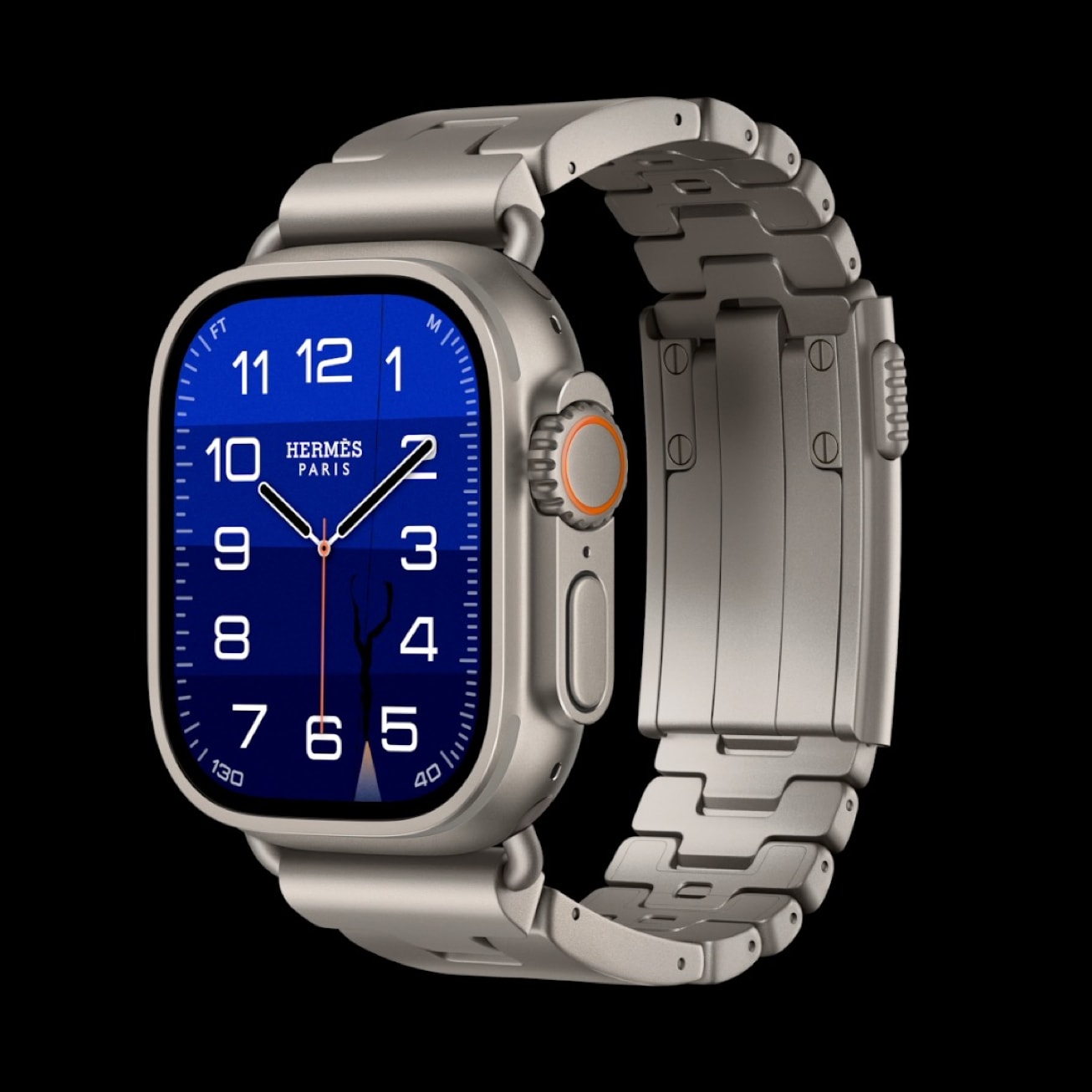
This is where the product stops being a watch with a luxury collaboration and starts behaving like a system.
A wetsuit is not a styling reference. It is a thickness problem. If the band cannot expand, the watch is designed for the wrist but not for the layer around the wrist. The extension turns that layer into part of the interface.
That sounds obvious when you say it out loud. It is also exactly the kind of detail product teams often leave to the user to solve.
Wear it over the suit. Wear it under the suit. Buy another band. Make it work.
Apple and Hermès are making the adjustment mechanism visible instead.
This is not accessorizing the adventure watch. It is designing for the clothing that makes the adventure possible.
The Grand H band also creates a productive tension. Ultra 4 is the serious equipment object. Hermès brings a recognizable luxury code: the H, the metal construction, the idea that even a technical band can carry a house language.
The result is not a softer Ultra. It is a more specific Ultra.
It says the user can be in a technical environment and still care about how the technical object is resolved. The watch does not need to choose between performance and taste. It can make the two negotiate on the wrist.
That is a much more useful way to think about luxury wearables than simply putting a logo on a strap.
How Do Series 12 and Ultra 4 Create Different Wrist Identities?
Series 12 and Ultra 4 share the S11 chip and Health Sensing System. They share the readiness score and the larger story about Apple Watch becoming more deeply involved in how people understand their bodies.
But they do not ask the body to perform the same identity.
Series 12 is the everyday health object. It wants to move through sleep, work, errands, exercise, and the long gaps between those moments. The ceramic finishes help it move closer to the language of personal style, even while the product remains visibly technological.
Ultra 4 is the declared tool. The titanium case, the sports framing, and the expanded band logic make it legible as equipment. The Hermès Grand H does not erase that. It adds a second layer: this equipment can also belong to a taste system.
One model tries to blend into more parts of the day.
The other makes the day look more specific.
This is why I keep thinking about the wrist as a system rather than a single product. The case, the sensor, the band, the material, and the clothing layer are all working together. You cannot understand the wearable only by reading what the chip does. You have to look at what the object is allowed to touch.
Skin. Fabric. Water. Metal. A sleeve. Another bracelet.
The wearable is no longer just sitting on the body. It is negotiating with the body.
Why Are Apple Watch Bands Becoming Part of the Product?
Apple Watch bands have always been a business and styling layer. Apple has sold color changes, woven materials, special closures, Nike editions, and Hermès collaborations for years.
What feels different in these announcements is the specificity of the physical situation.
The Series 12 ceramic versions come with bands using a ceramic pin-and-tuck closure designed to pair with the case. That is a small decision, but it shows the finish is not isolated to the case. The material story travels into the closure.
Ultra 4’s Grand H extension is even clearer. The mechanism is not decorative. It answers a use condition and changes the size relationship between the watch and the person wearing it.
This is where accessory design becomes product design.
A band can change the silhouette, the perceived value, the context, and the actual use of the device. It can tell you whether the product belongs in a workout, a boardroom, a hotel bathroom, or the ocean. It can make the watch feel like something you own, something you operate, or something you wear.
The next generation of wearable products will have to think about this more seriously.
Not every device needs a Hermès partner. Not every device needs ceramic. But every device needs an answer to the question: what happens when this object meets the rest of the person’s life?
The wearable category is not finished when the sensor works.
It is finished when the object has a relationship with the body around it.
What Is the Apple Watch Becoming?
Not a bracelet.
Not exactly a watch.
Not just a health tracker, either.
The Apple Watch is becoming a small operating surface for the body, and Apple is gradually designing the surrounding conditions that make that surface acceptable to keep wearing. Series 12 uses finish and thinness to make continuous wear feel visually plausible. Ultra 4 uses titanium, adventure framing, and a wetsuit-ready extension to make the watch behave like real equipment. Hermès adds the reminder that equipment can still have a house language.
The interesting part is not whether these choices make Apple Watch fashionable. That question is too small.
The interesting part is whether Apple is finally treating material, clothing, and styling as part of the technology itself.
Because the product is not only measuring the person.
It is asking the person to keep making room for it.
Are brands designing the device, or are they designing the layer of clothing and identity that makes the device wearable?
For the same week’s launch context, see the September 8–11 news briefing and our luxury tech accessories judgment guide.