
Luxury Tech Accessories: How to Tell Whether It Reads as High-End or Just Another Gadget
6 types of luxury tech accessories that look and feel high-end in 2026 — plus the five material signals that separate real quality from gadget marketing.
The phrase luxury tech accessories covers everything from a USD 1,400 Hermès Apple Watch band to a USD 29 chrome-plated phone case that peels after six weeks. That range is the problem. When the same label applies to a designer collaboration and a marketplace listing, “luxury” stops meaning anything. What matters is simpler: does this object look and feel expensive when you wear it, or does it look and feel like a gadget with a markup? Use a style-first fashion tech filter first, then check against the latest futuristic tech accessories.
Below are the five material signals that answer that question, followed by six categories of tech accessories that genuinely clear the bar in 2026.

Why most tech accessories fail the luxury test
Three defaults make the majority of tech accessories read as consumer electronics regardless of price.
Plastic body, premium price. Glossy injection-molded plastic is immediately recognizable as device casing. No amount of “premium matte finish” marketing changes the tactile read. Cyber luxury accessories need to clear this bar first — a plastic body wrapped in a futuristic silhouette is still plastic.
Branded surfaces. A visible logo on the wearing face turns any accessory into an advertisement. That works for handbags with decades of brand equity, not for tech accessories trying to read as personal style objects. Most jewelry like gadgets fail here: they have the silhouette of jewelry but the branding pattern of electronics.
Wrong scale. Consumer electronics are designed to house components. Jewelry is designed to sit on a body. When a tech accessory is scaled to its battery rather than to the wearer’s anatomy, it reads as a device clipped to an ear — not as something that belongs there.
Five material signals that separate luxury from gadget
Use these to evaluate any tech accessory before buying. A piece that clears all five reads as high-end regardless of brand. One that fails two or more reads as a gadget regardless of price.
1. Metal — electroplated vs painted
Real electroplating — gold, white gold, rhodium bonded to copper or brass — has weight, warmth, and variable light behavior. Painted metal or vacuum-metallized plastic mimics the color but chips, dulls, and feels hollow.

The test: Tilt the piece under warm light. Electroplated metal shifts smoothly across the highlight. Painted surfaces show a flat sheen that breaks at edges. Polished wearable tech should behave like the former.
2. Stone or surface — mineral vs printed
A real stone — zircon, opal, tiger’s eye — has optical depth. Light enters and returns with variation. A resin fill or plastic gemstone sits flat under any light. This is felt instantly during unboxing and noticed at conversational distance.
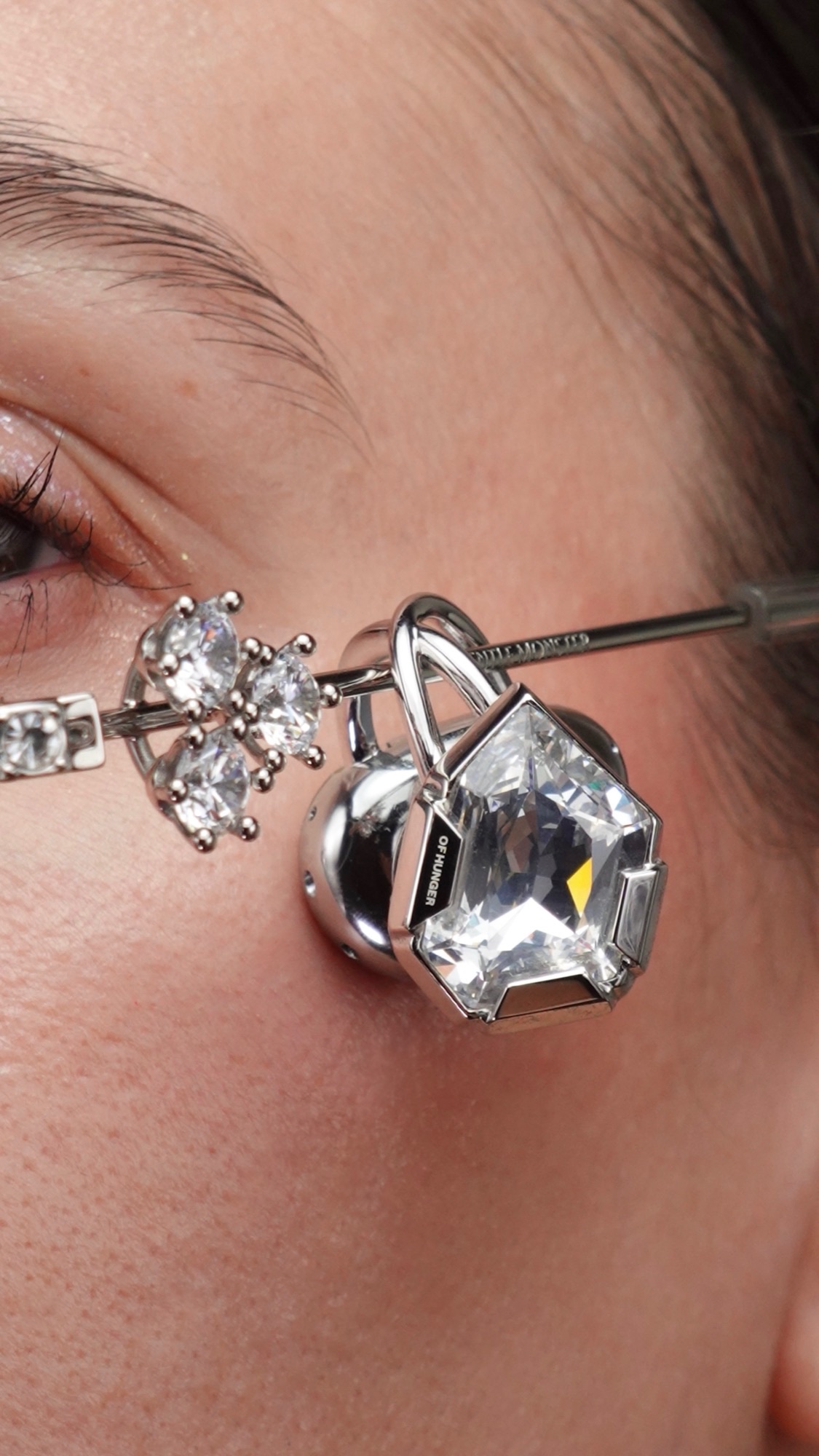
Smart jewelry accessories that use real mineral surfaces carry an advantage no rendering can replicate: the material tells the truth when it is held.
3. Logo — absent vs prominent
No logo accessories read as personal choices. Prominent logos read as brand purchases. If the object reads as high-end with its logo hidden, the material is doing the work. If removing the logo makes it anonymous, the brand was compensating for what the material could not deliver.
4. Proportion — jewelry scale vs device scale
Place the object next to jewelry you already wear. Does it belong in the same visual family, or does it look like it wandered in from a different product category? Smart jewelry earbuds scaled to sit on an earlobe like a drop earring pass this test. Earbuds that bulge past the ear’s contour do not.
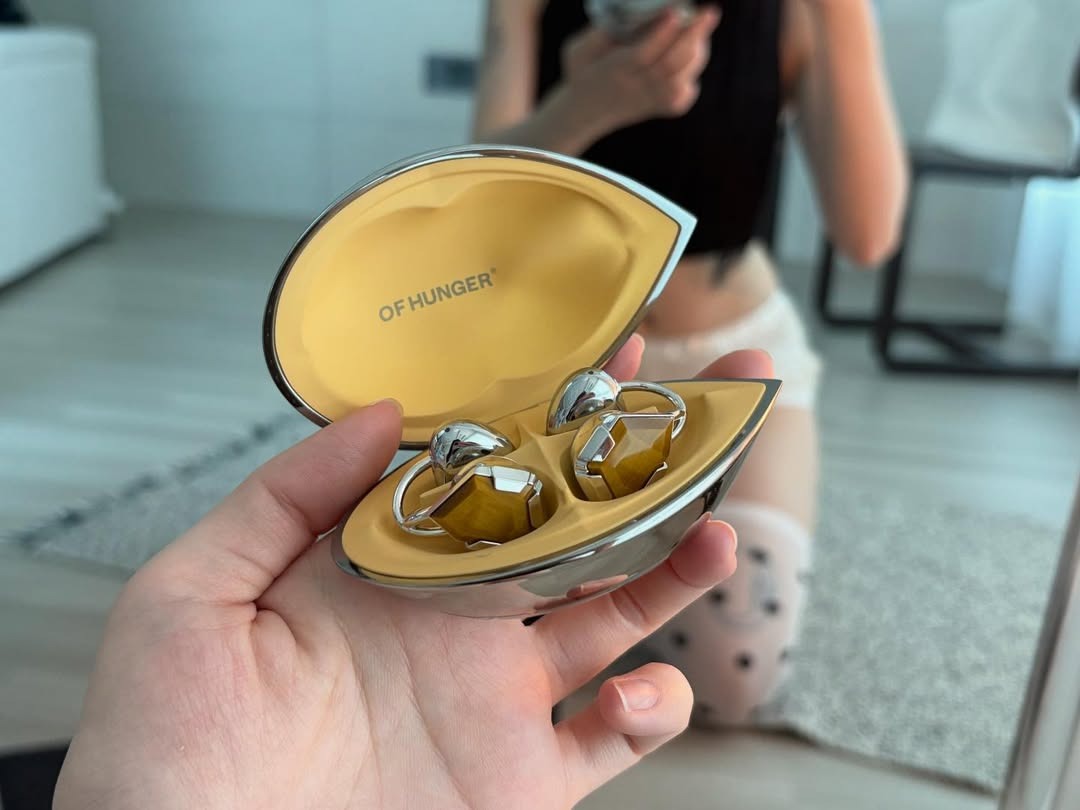
Proportion is what makes timeless tech accessories possible. Technology changes every cycle; the human body does not. Objects scaled to anatomy age better.
5. Packaging — considered vs functional
A charging case that opens like a jewelry box reads as a luxury tech gift set. A blister pack reads as product delivery. Luxury tech gift packaging does not need to be wasteful — it needs to be intentional: weight, hinge resistance, interior material, and the ratio of object to space.

6 luxury tech accessories worth considering in 2026
The five-signal framework applies to every category below. Each one includes what to look for and what separates genuine quality from marketing.
1. Gemstone-style audio earphones
Open earphones designed as ear jewelry — faceted stones set in electroplated metal, worn as drop earrings. The luxury signal is real mineral surfaces and real metal plating, not a metallic paint job. Products in this space include OFHUNGER’s Electronic Gems (18K white gold plated copper, real zircon, USD 310) and Motorola’s moto buds loop Swarovski collaboration (crystal elements, fashion-brand co-design). Both pass the metal and stone tests; the deciding factor is whether the proportion reads as jewelry or as a decorated earbud on your specific ear. For a structured evaluation, see the jewelry earbud test.
2. Titanium and ceramic smart rings
Health-tracking or payment-enabled rings in titanium, ceramic, or tungsten carbide. The luxury signal is the body material: titanium and ceramic have inherent weight, temperature, and scratch resistance that resin and stainless steel do not. Look for rings where the band’s finish and profile would work as a piece of jewelry even if the battery died. The best ones are indistinguishable from a plain wedding band or a signet ring at conversational distance.
3. Sapphire-lens smart glasses
Eyewear with embedded audio, display, or camera in frames that read as design glasses rather than tech prototypes. The luxury signal is lens and frame material: sapphire-coated lenses resist scratching; acetate or titanium frames age like traditional eyewear. The moment the frame looks like it came from a gadget catalog instead of an optician, the luxury read is gone. For design-forward eyewear brands that share this territory, see our eyewear guide.
4. Precious-metal smartwatch cases and bands
Not the watches themselves — the aftermarket cases and bands that transform a standard smartwatch into an accessory-first object. The luxury signal is the case material: 18K gold, titanium, or surgical steel cases with sapphire crystal covers. The watch’s tech does not change; the material language surrounding it does. Hermès bands for Apple Watch are the highest-profile example, but independent metalsmiths and small studios produce titanium and silver cases that clear the five signals without a luxury brand name.
5. Sculptural wearable audio objects
Open earphones or ear-worn devices with design-fiction, architectural, or organic-tech forms — objects closer to the organic-tech accessories in fashion than to conventional earbuds. The luxury signal is form integrity: the silhouette is designed as sculpture, not as a housing for components. The body is metal, not plastic. The proportion changes the wearer’s profile rather than just decorating it. This category is emerging and small — the NEBULA collection is one reference, and independent audio-jewelry designers are beginning to explore the space.
6. Chrome and brushed-metal desk accessories with tech integration
Wireless chargers, cable organizers, and desk stands in chrome, brushed steel, or anodized aluminum with parabolic or monolith profiles. The luxury signal is weight and finish: a real metal desk object stays put, catches light, and looks like it was chosen for the space rather than plugged in as an afterthought. The tech (charging, cable management) is invisible; the material is the entire experience.
The question that matters most
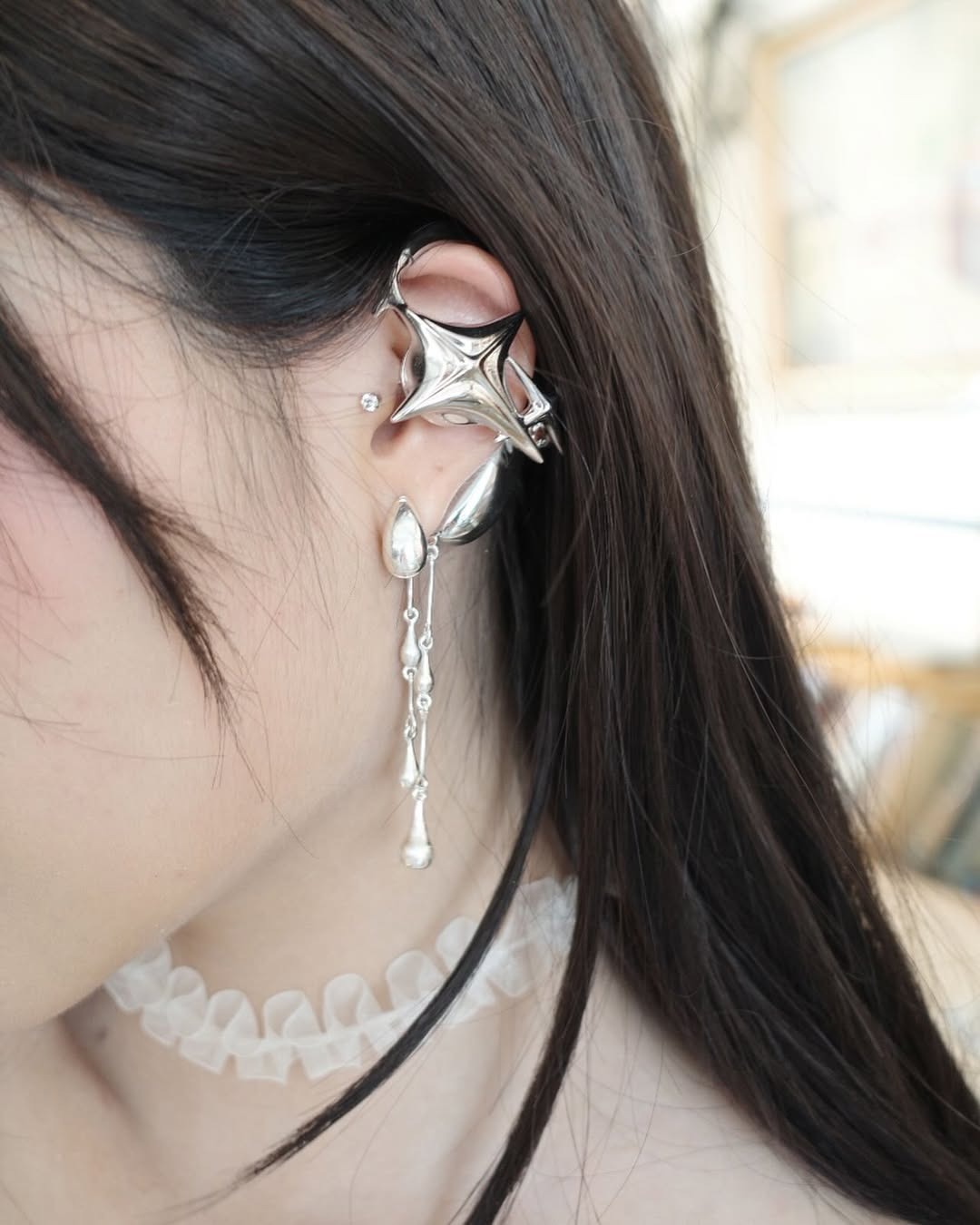
“Is it tech or is it jewelry?” is the wrong question. The right question is: does the material earn the position it is asking for on the body?
Three checks before you buy:
- Material. Close your eyes and hold it. Would you guess “jewelry” or “electronics”?
- Proportion. Set it next to a piece of jewelry you already own. Neighbor or intruder?
- Logo. Cover the branding with your thumb. Does the object still look intentional?
If a piece passes all three, it earns the label luxury tech accessory — not because of who made it, but because of what it is made of. If it fails, the price tag is doing the talking, and price tags are not something you wear.
To see the full OFHUNGER collection or browse occasion-matched recommendations, visit the links.