Ghost in the Shell 1995 Anime and the Question of Self
A faithful localization of a personal reading of the Ghost in the Shell 1995 anime, Motoko Kusanagi, the Puppet Master, and selfhood.
Personal rating: 8.0.
The 1995 Ghost in the Shell anime feels so ahead of its time.
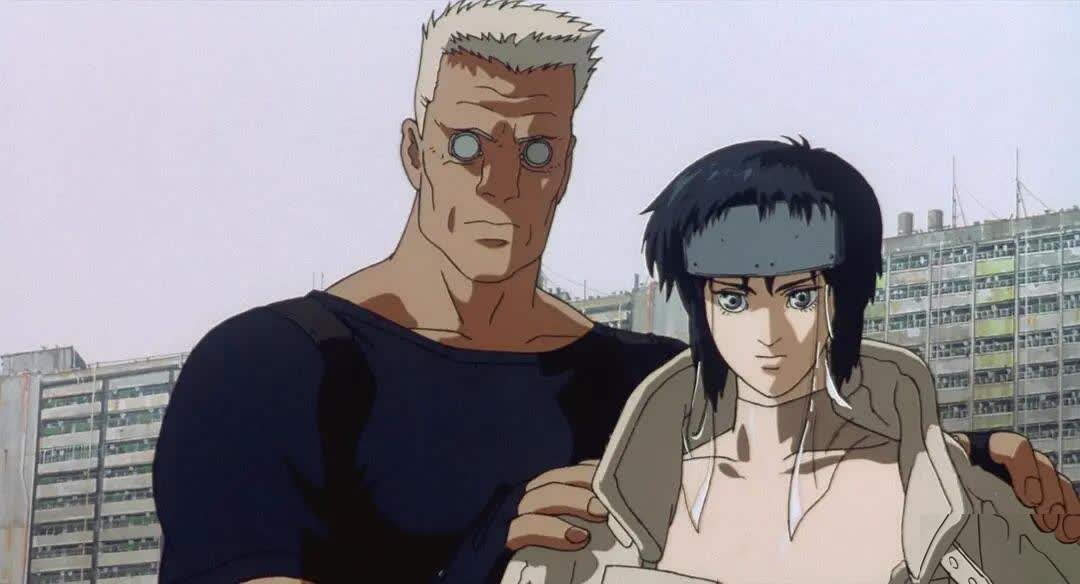
In 2029, Major Motoko Kusanagi of Public Security Section 9 is a cyberpunk human whose whole body, except for her brain, has been cyberised. She and her team are pulled into a mission to capture the hacker known as the Puppet Master. As the investigation moves forward, everything becomes less simple than it first appears.
Behind the Ministry of Foreign Affairs and Public Security Section 6, a conspiracy unfolds. The Puppet Master suddenly appears before Section 9, crosses paths with the Major, and eventually merges with her.
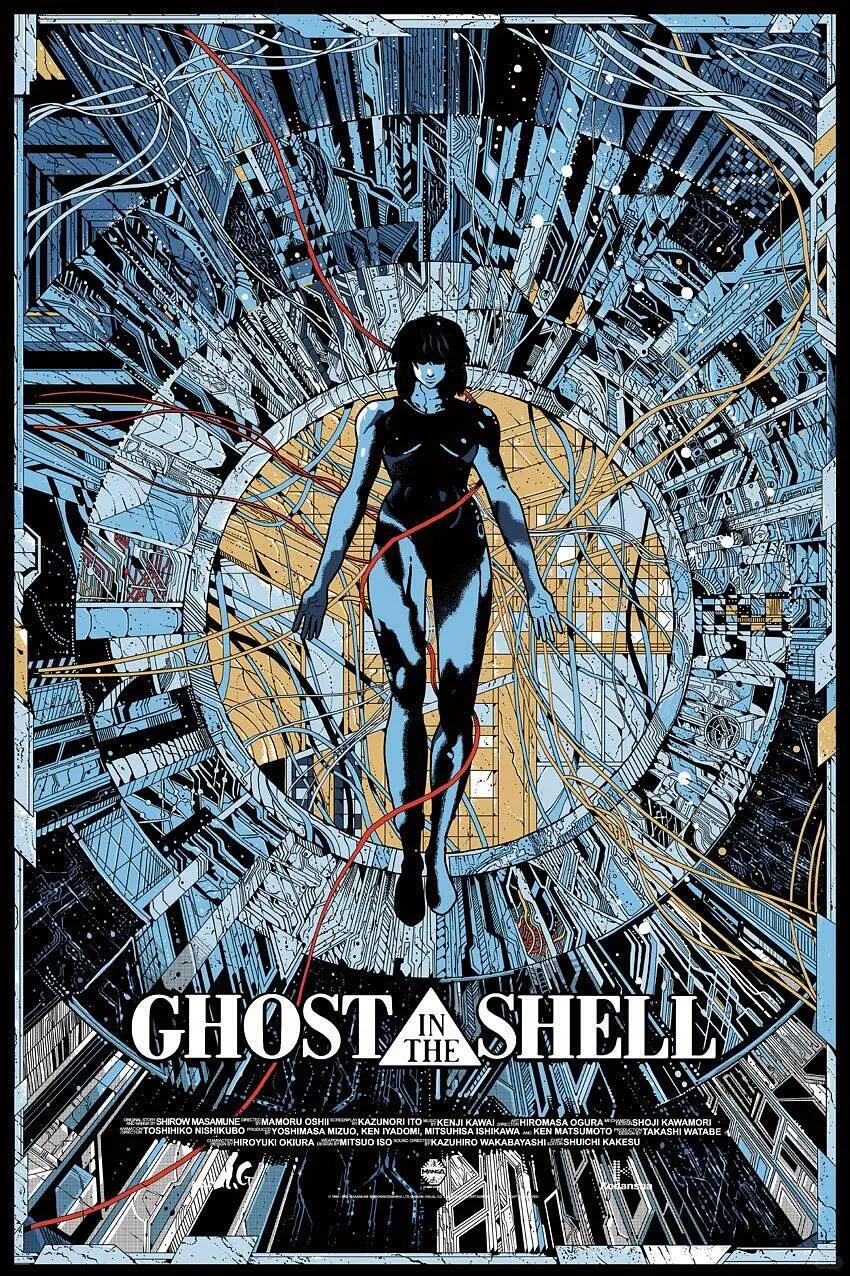
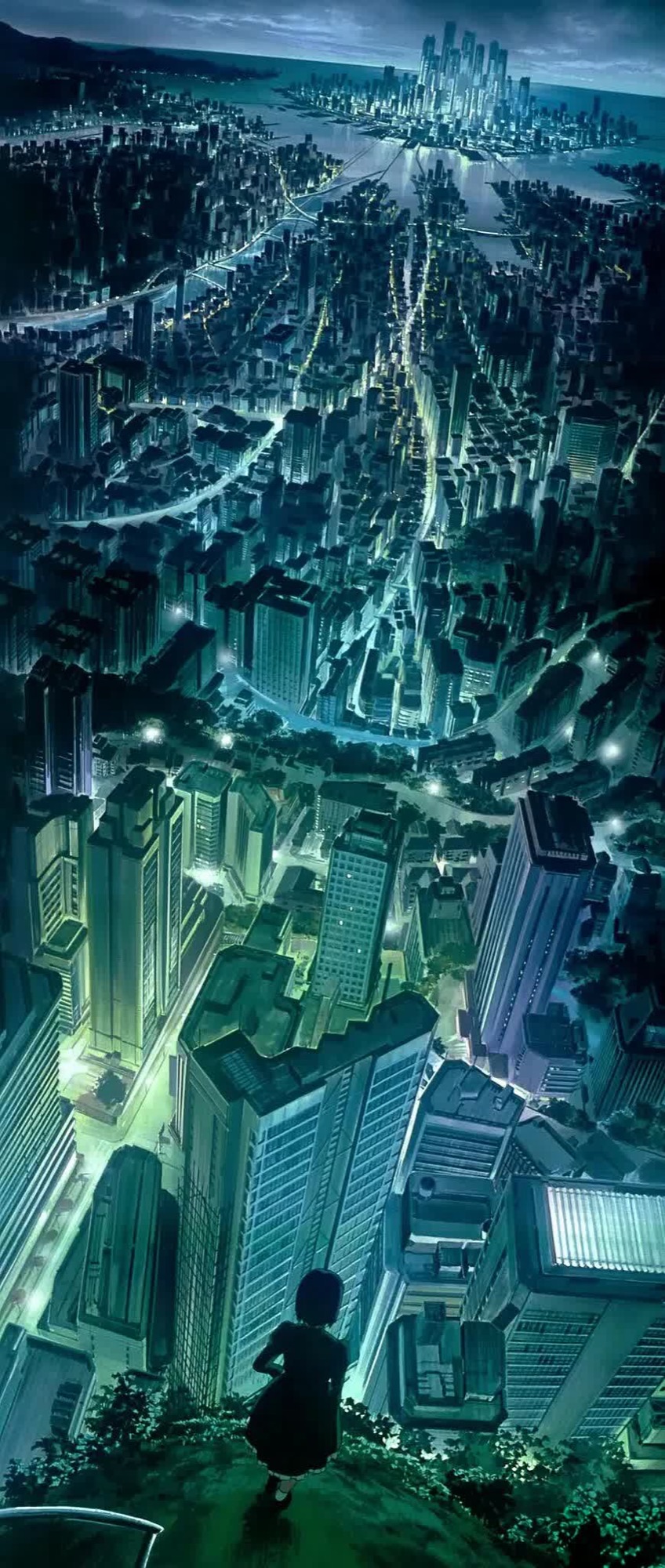
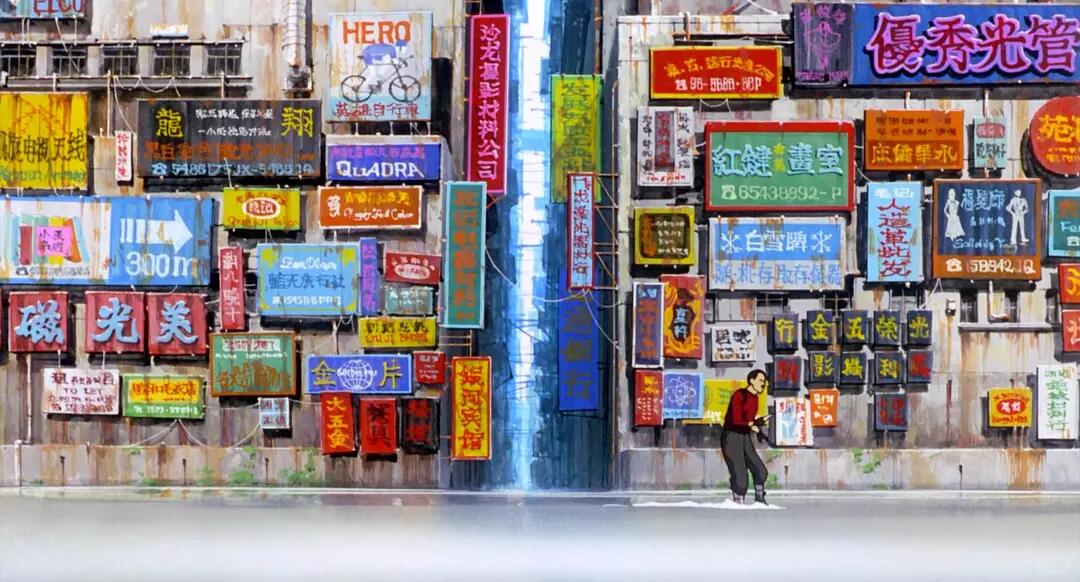
The style is distinctive. The individual drawing style, the Hong Kong urban background, and the almost divine music make the whole film feel modern and full of futurism.
It is mysterious and philosophical at the same time. Self-consciousness, existential crisis, and the question of how a human being is defined all sit at the centre of it. When the Ghost and the Shell can be separated, what is the real Ghost? These are complex questions that a person may spend a whole lifetime thinking about, and the film raises them through the choices its characters make.
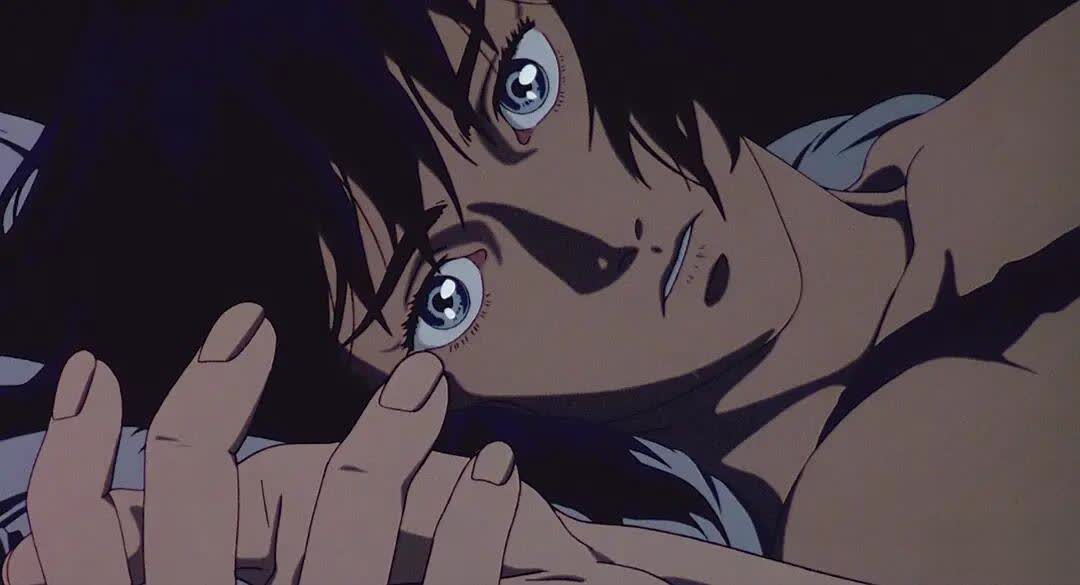
In the end, the Major is persuaded and enters a state beyond the old self. With a young girl’s body, she is no longer simply the Puppet Master or Motoko. The new body represents a new beginning and opens the door to a new world for her. It even reminds me a little of Lucy.
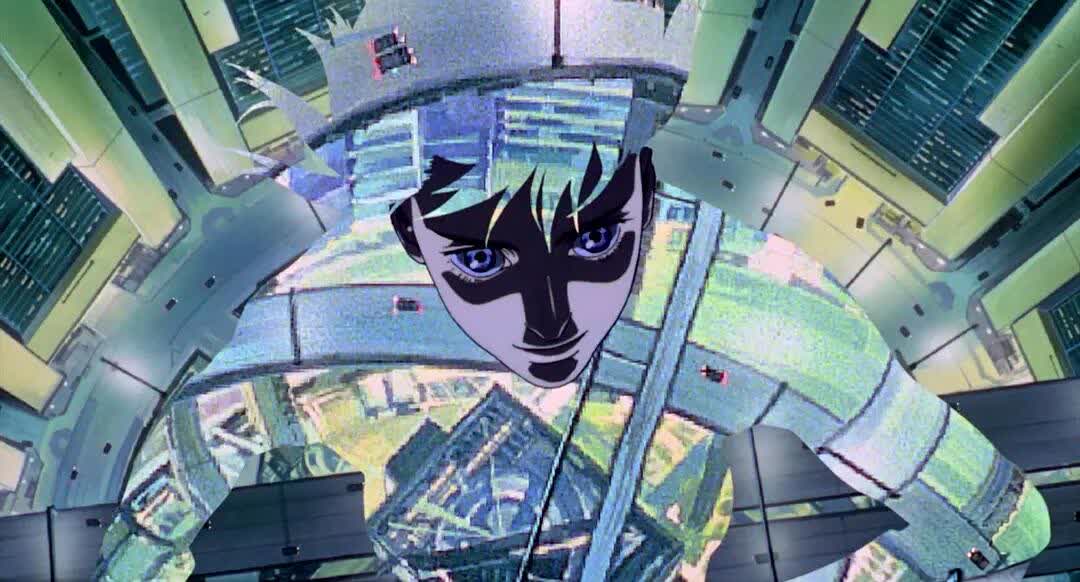
The film’s words keep circling the same uncertainty:
Maybe a fully cyberised person like me would have this kind of confusion. Maybe I died a long time ago, and the person I am now is only a virtual personality made from an electronic brain and a prosthetic body. Maybe I never existed from the beginning.
Inside your titanium skull, there is still real brain tissue, and you are treated properly as a human being. But no one has ever seen their own brain. In the end, I can only judge my own existence through the situation around me. If an electronic brain can produce a Ghost by itself, and if a soul can live inside it, then what reason do I have to believe in myself?
“Whether individual or collective, becoming too singular only leads to destruction.”
“I am not AI. I am a life form born from the sea of information.”
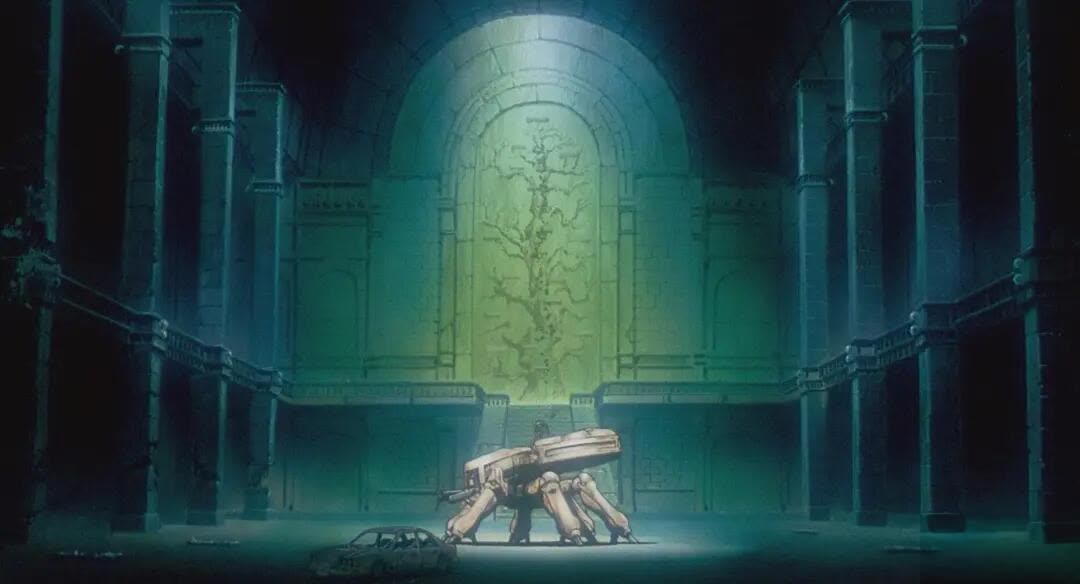
Life is like a node born within a flood of information. DNA, for living beings, is like humanity’s memory system. Unique memories create unique people. Even if memory itself is like an empty dream, people still depend on memory in order to live.
When computers make it possible for memory to exist outside the body, we should think more seriously about what that means.
Just as many different parts form a complete person, my own self also needs many necessary elements: a face different from others, an unconscious tone of voice, the palm I see when I wake from a dream, childhood memories, expectations for the future, and the ocean of information touched by my electronic brain.
All of these are part of me. They give birth to the consciousness called “self,” while also constantly limiting me within that self.
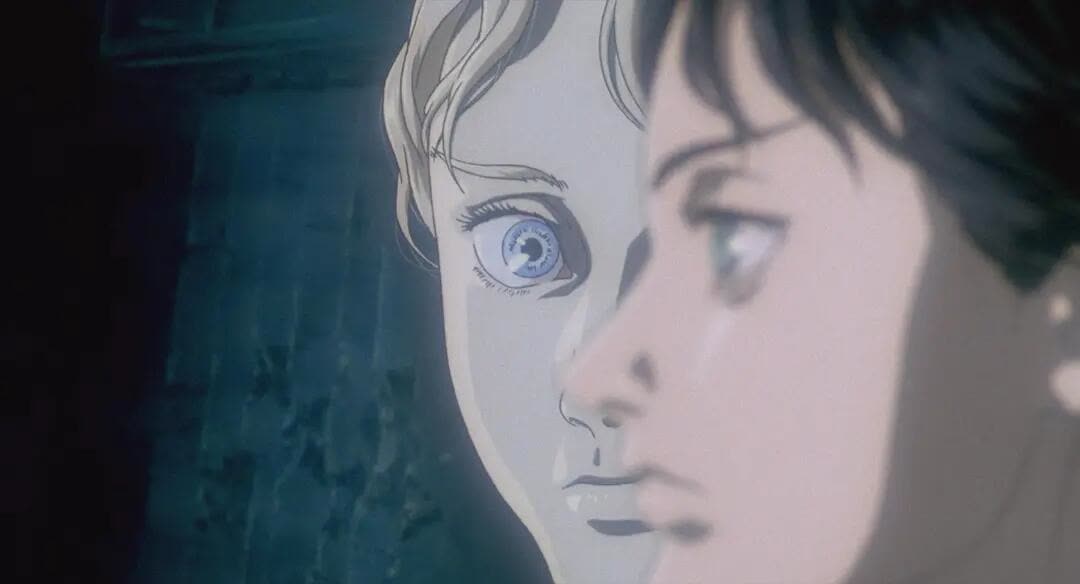
“How can I guarantee that I am still myself?”
There is no way to guarantee it. Human beings are always changing. The obsession with preserving the self has always been what confines you.
“When I was a child, I spoke as a child, thought as a child, reasoned as a child. When I became an adult, I put away childish things.”