Prometheus Is a Prequel to Alien
A faithful reflection on Prometheus as an Alien prequel, its cold creator myth, David's distance, and the terror of unanswered origins.
If we found “God” and realised he did not love us, would we still deserve to exist?
I finally had time recently to sit down with films again, so I started revisiting Ridley Scott’s work. This time, I went back through the Alien series in story order. The first stop was Prometheus, because Prometheus is a prequel to Alien.
When I first watched it years ago, it did not hit me as deeply as it does now. Maybe it is because, over the past couple of years, I have become more interested in myth systems and the question of human origins. Watching it again with those thoughts in mind made many of its details and metaphors feel newly lit from within.
These are only my personal impressions.
The Film Keeps Asking Without Answering
The most fascinating thing about this film is that it keeps asking questions without giving answers.
Where do humans come from?
If we were created, who created our creators?
If we really found “God” and discovered that God did not love us, what would we do?
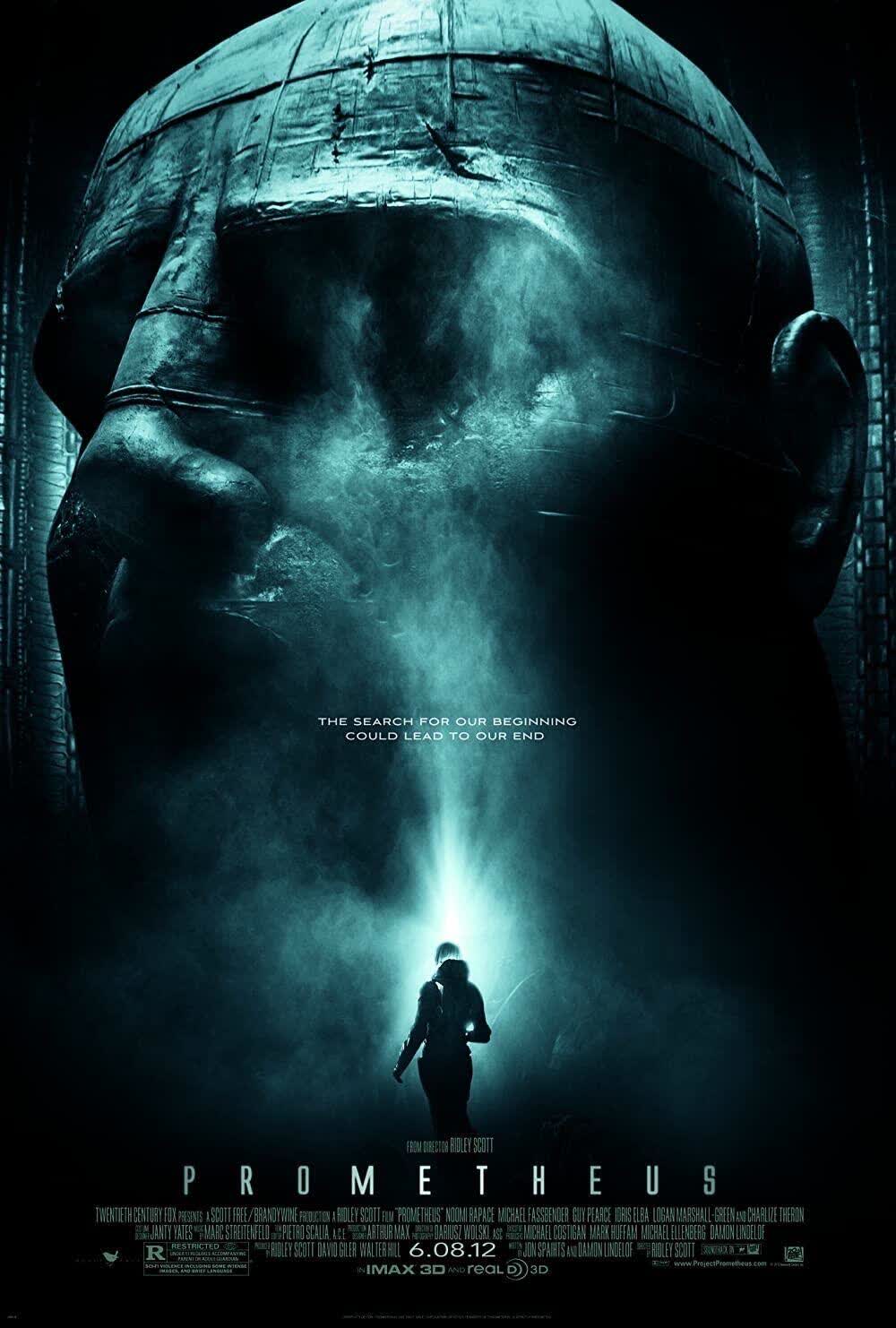
In the film, the Engineers are positioned as the creators of humanity, but they are not compassionate or merciful. They are cold, even hostile. That setting breaks apart the image of a benevolent God.
The film never offers a clean explanation. It simply places humanity in front of the universe and forces us to face our own smallness and confusion. We long for a response, but the universe is under no obligation to answer us. That emptiness is the film’s real charm.
David Is the Most Striking Character
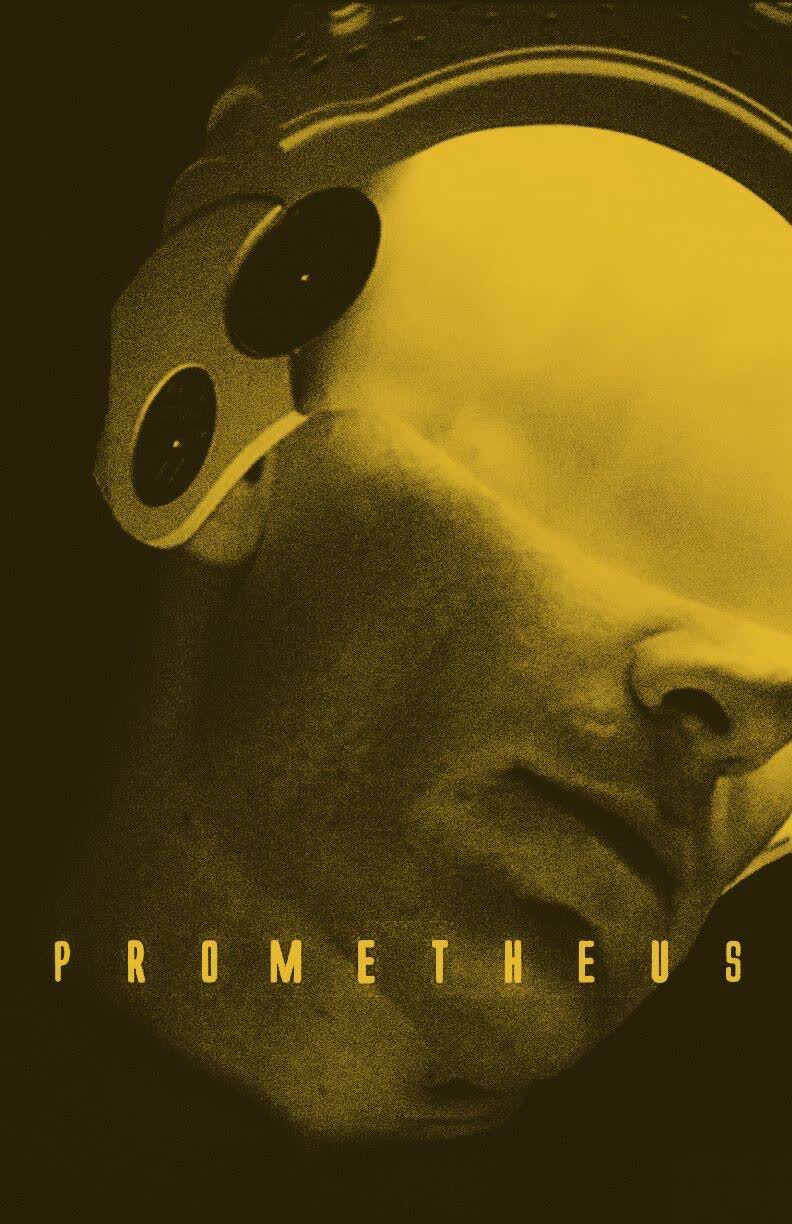
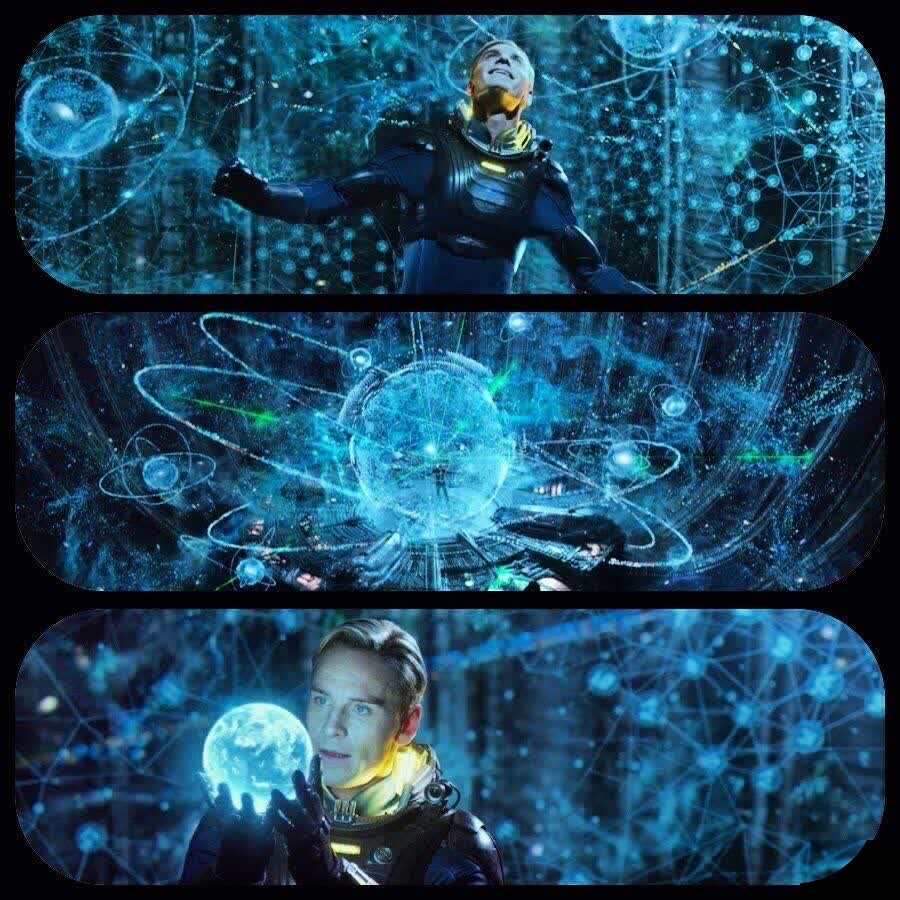
The strongest character in the film is the android David.
He was created by humans, yet he looks at humans with a kind of calm detachment. He studies Lawrence of Arabia and imitates Peter O’Toole’s posture, but he always remains an outsider.
When he asks, “Why do you think your people made me?”, it almost becomes the centre of the whole film.
Humans create AI. The Engineers create humans. Humans, in turn, try to become “God.” Layer after layer of creation builds a chain where each level longs for meaning, but may never receive love.
David feels like a child, a traitor, and a future version of humanity all at once: calm, rational, and no longer bound by emotion.
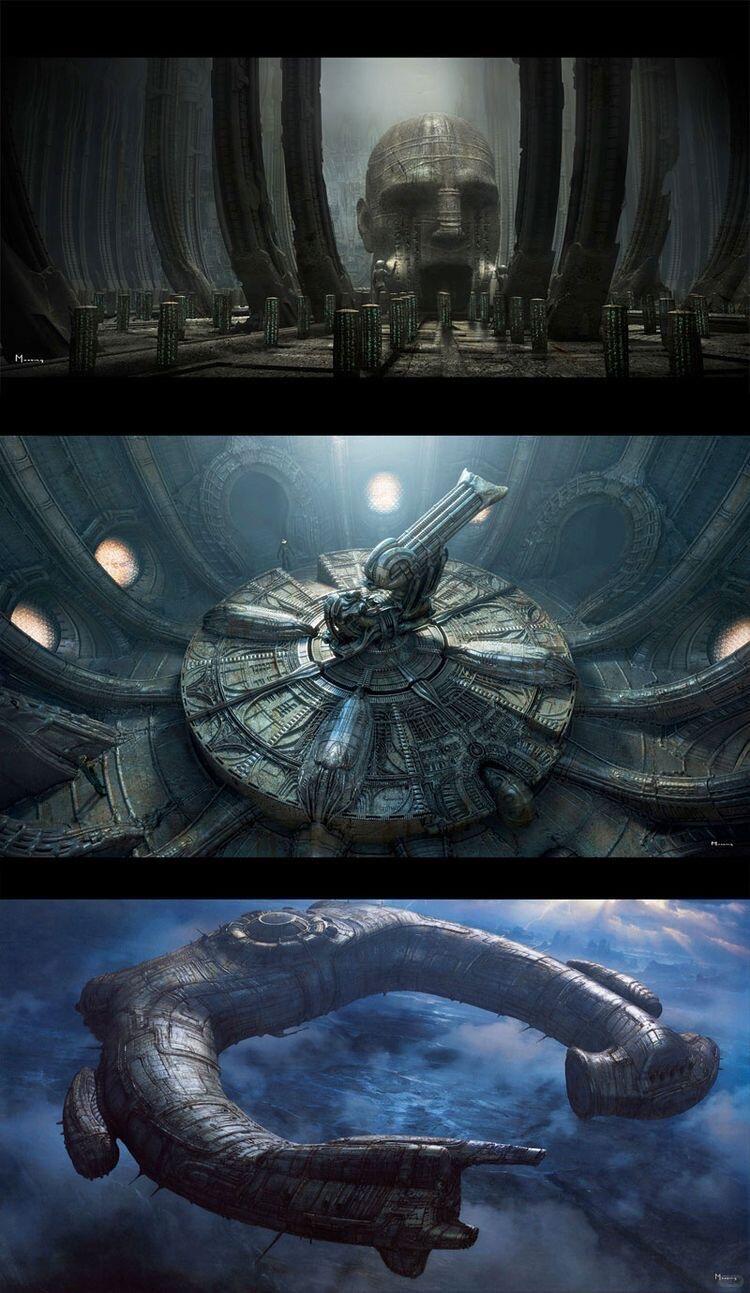
The Coldness Is Visual Too
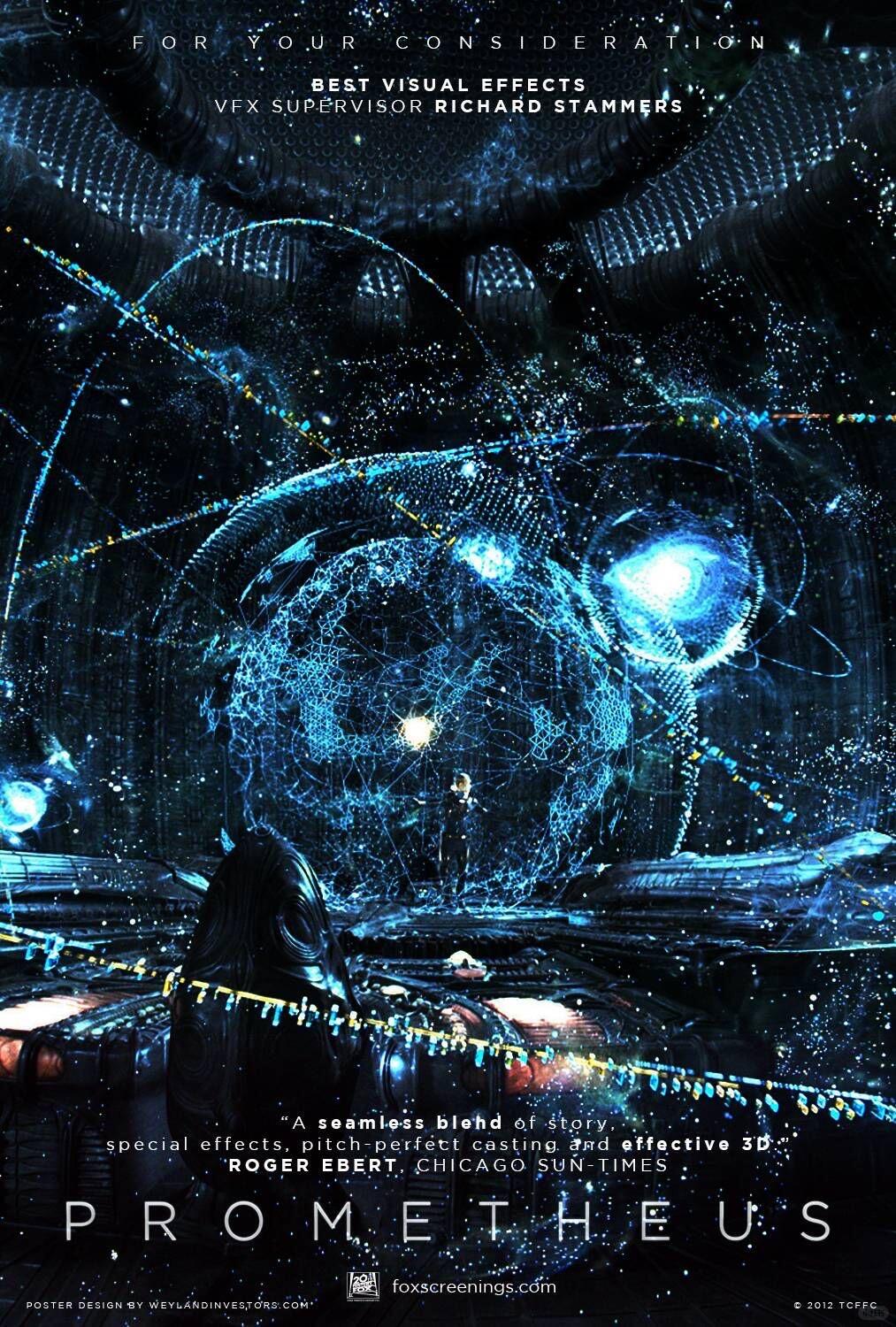
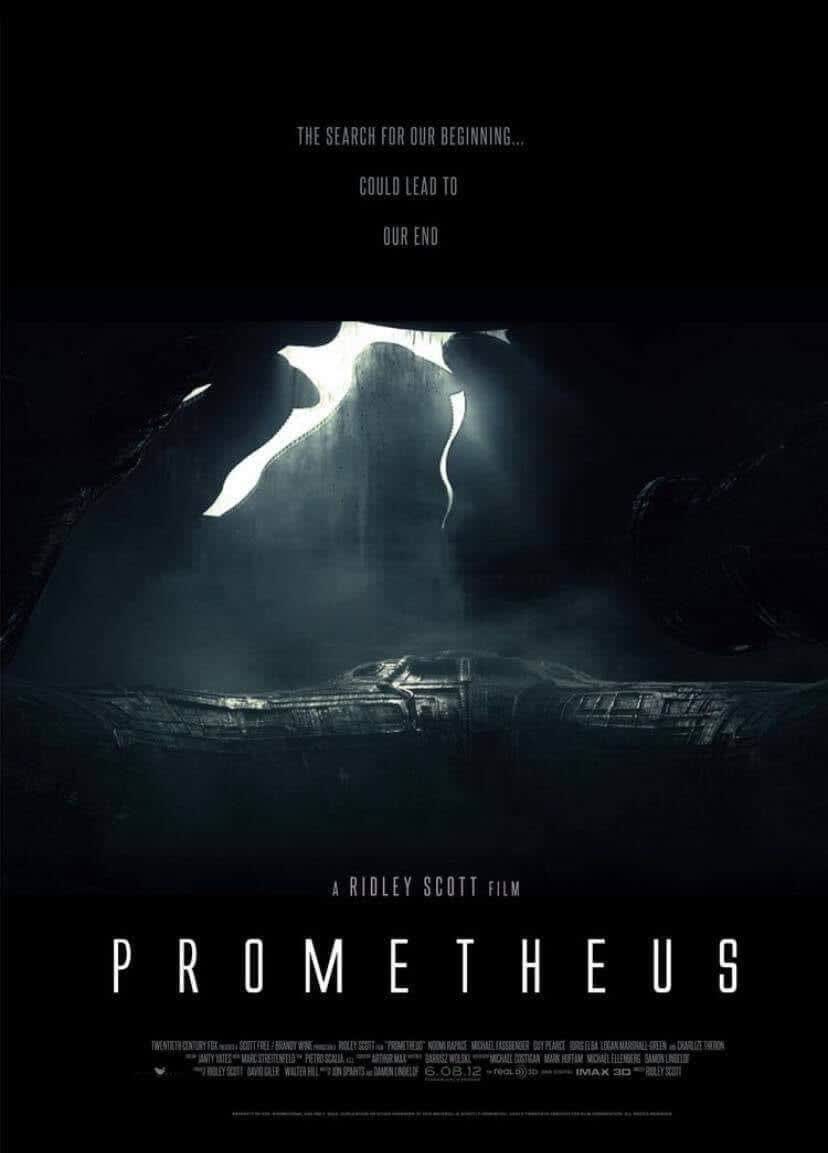
Visually, the film is just as overwhelming. The cold interiors of the ship, the vast alien temple, the symmetrical compositions, and the huge spaces all emphasise one thing: the smallness of human beings.
The sequence that fascinates me most is the crew’s exploration of the pyramid interior. Those passages sealed for thousands of years, and the sleeping life hidden inside them, feel both mysterious and freezing. It is as if the film is reminding us that some truths do not welcome being found.
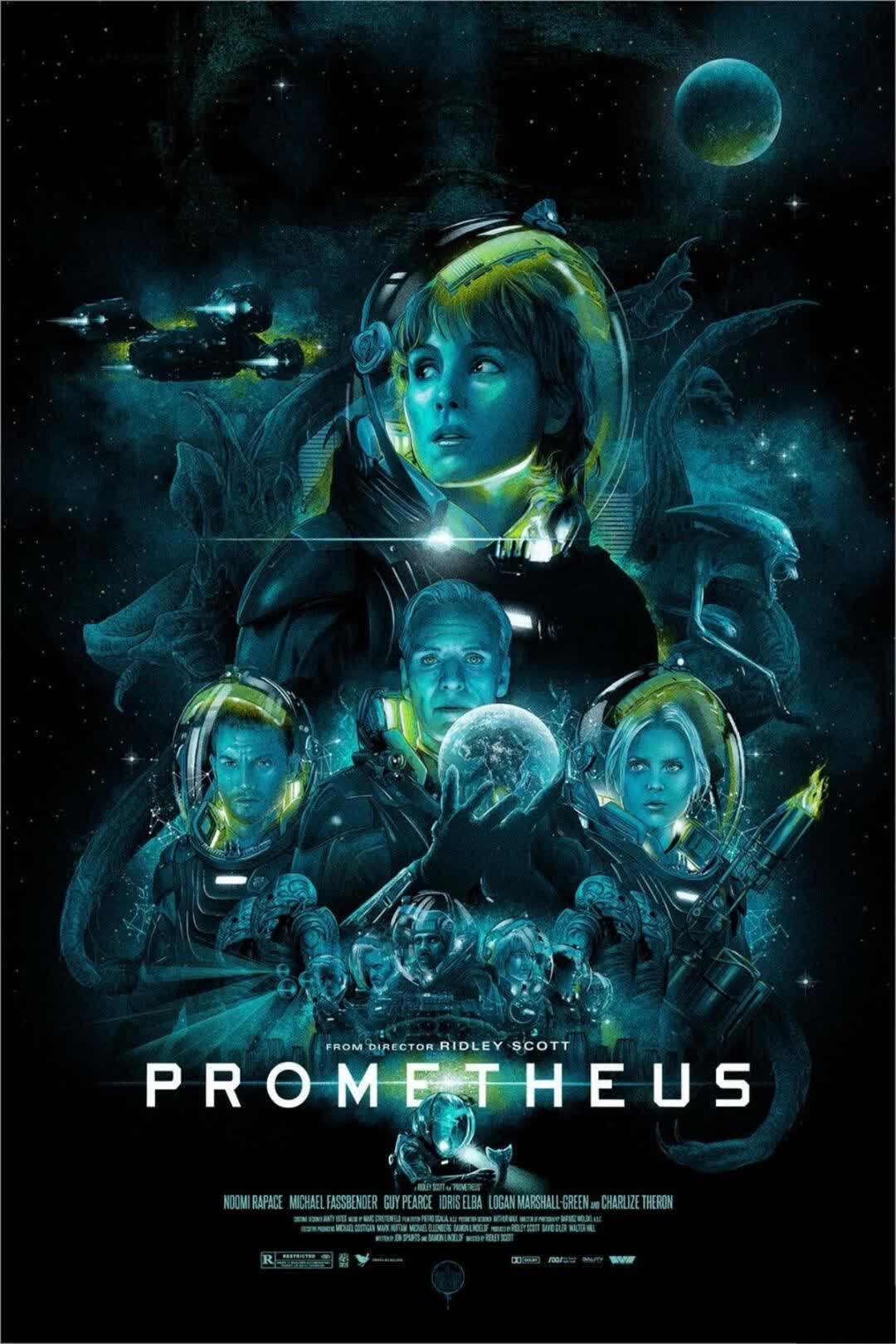
For me, Prometheus is not simply a monster movie. It tries to push commercial science fiction into a philosophical space:
creation and destruction;
father and son;
God and traitor;
human arrogance and human loneliness.
When humanity stands in the depths of the universe and discovers that its creator does not care about it, that chill is more frightening than any monster.