Techwear History Through the Supermodern Wardrobe
A reflection on techwear history through Marc Augé's supermodernity and Andrew Bolton's The Supermodern Wardrobe, connecting urban movement and clothing.
Many people think techwear only became a major style after 2017, but its roots reach further back. Urbanization, changing architectural forms and technology’s reshaping of everyday life have transformed both how people move and how they dress.
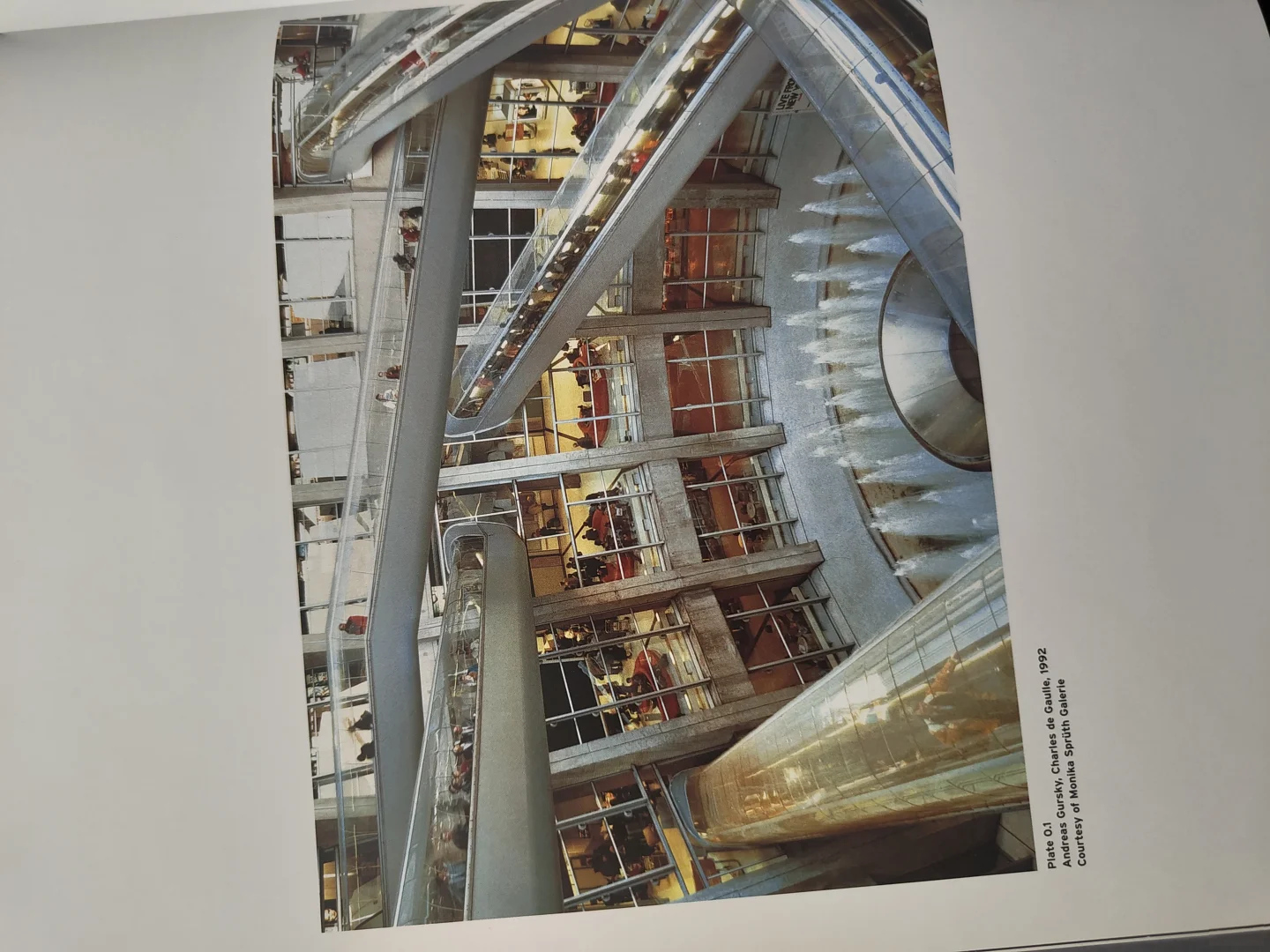
As early as the 1990s, anthropologist Marc Augé introduced the concept of supermodernity. Rather than simply describing a “more modern” age, he identified an era defined by excess. That sense of overload can be summed up as too much information, too many choices, too much speed and too many places to go.
Our attention is constantly pulled in different directions. Airports, shopping malls and stations become anonymous, temporary spaces that leave little lasting memory. What weighs on us is not a lack of things, but having too much: things arrive too quickly and disappear too quickly.
It is striking that Augé recognized these signs in the 1990s, while today we are even more deeply caught in their current. “Originality” and “authenticity” are diluted by trends that cycle ever faster. Many things are forgotten just months after they appear.
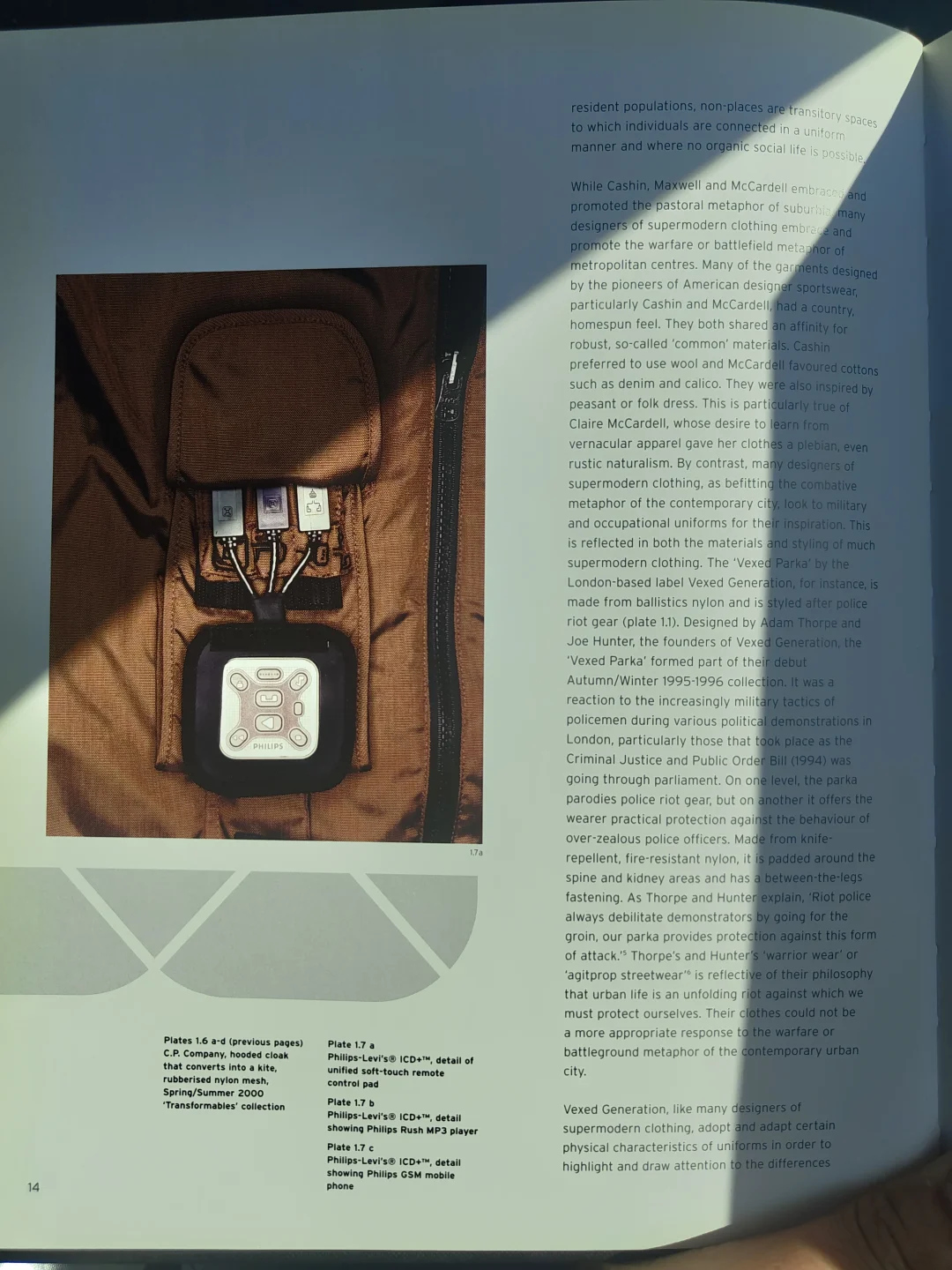
Andrew Bolton, now a curator at the Metropolitan Museum of Art’s Costume Institute, brought these questions into focus in his rare book, The Supermodern Wardrobe:
How should fashion respond to an age of speed, technology, movement and information overload?
What should clothing look like when people move constantly between cities and screens?
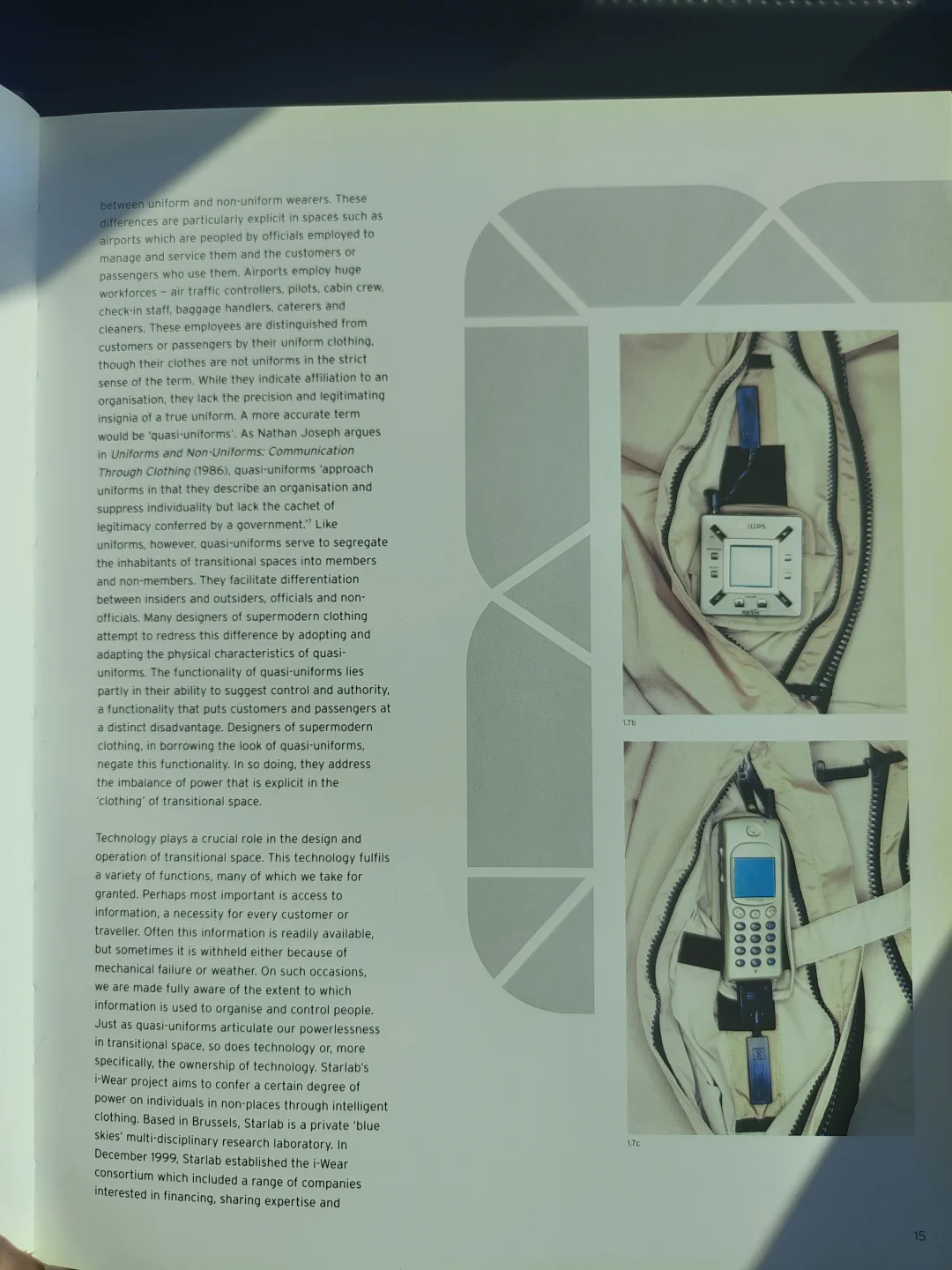
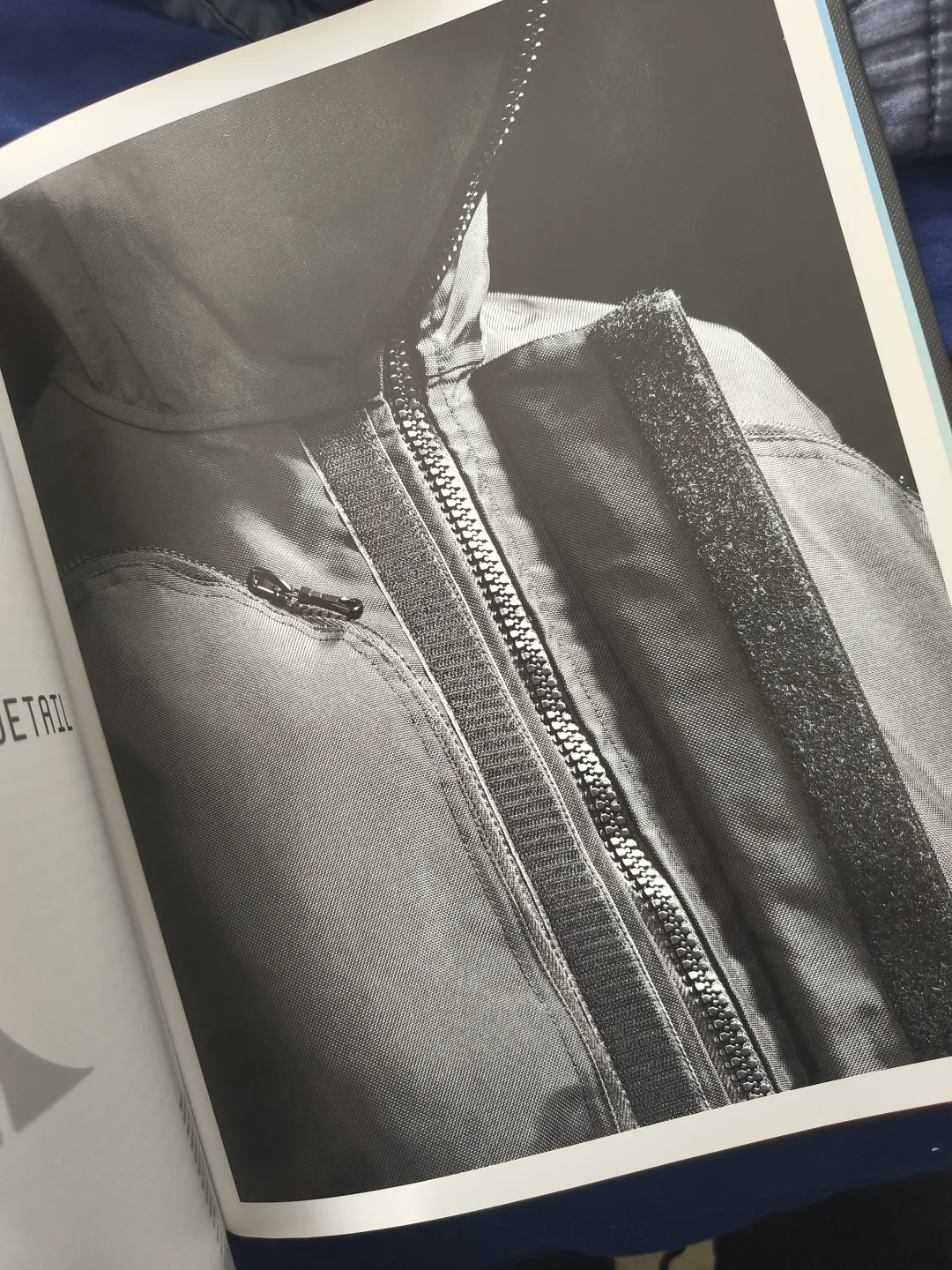
The answer that takes shape is what we now call techwear: a clothing philosophy for an age of overload, built around functionality, adaptability and mobility.
I plan to explore this book in greater depth in future posts. Would you be interested in reading more?