Y3K Fashion, aespa Outfits, and the Hot Mess Method
A trend note on y3k fashion, aespa outfits, Hot Mess visuals, cyber Y2K styling, album design, and why pop futurism needs chaos.
I keep thinking about how quickly Y2K became polite. Not because the original references were polite, obviously. Low-rise trousers, plastic jewellery, shiny lip gloss, metallic accessories, glitchy graphics, tiny tops, and too much attitude were never exactly whispering in the corner. But once a style gets packaged into moodboards, shopping edits, and “how to get the look” formulas, its stranger edges start to disappear. The chaos gets laminated.
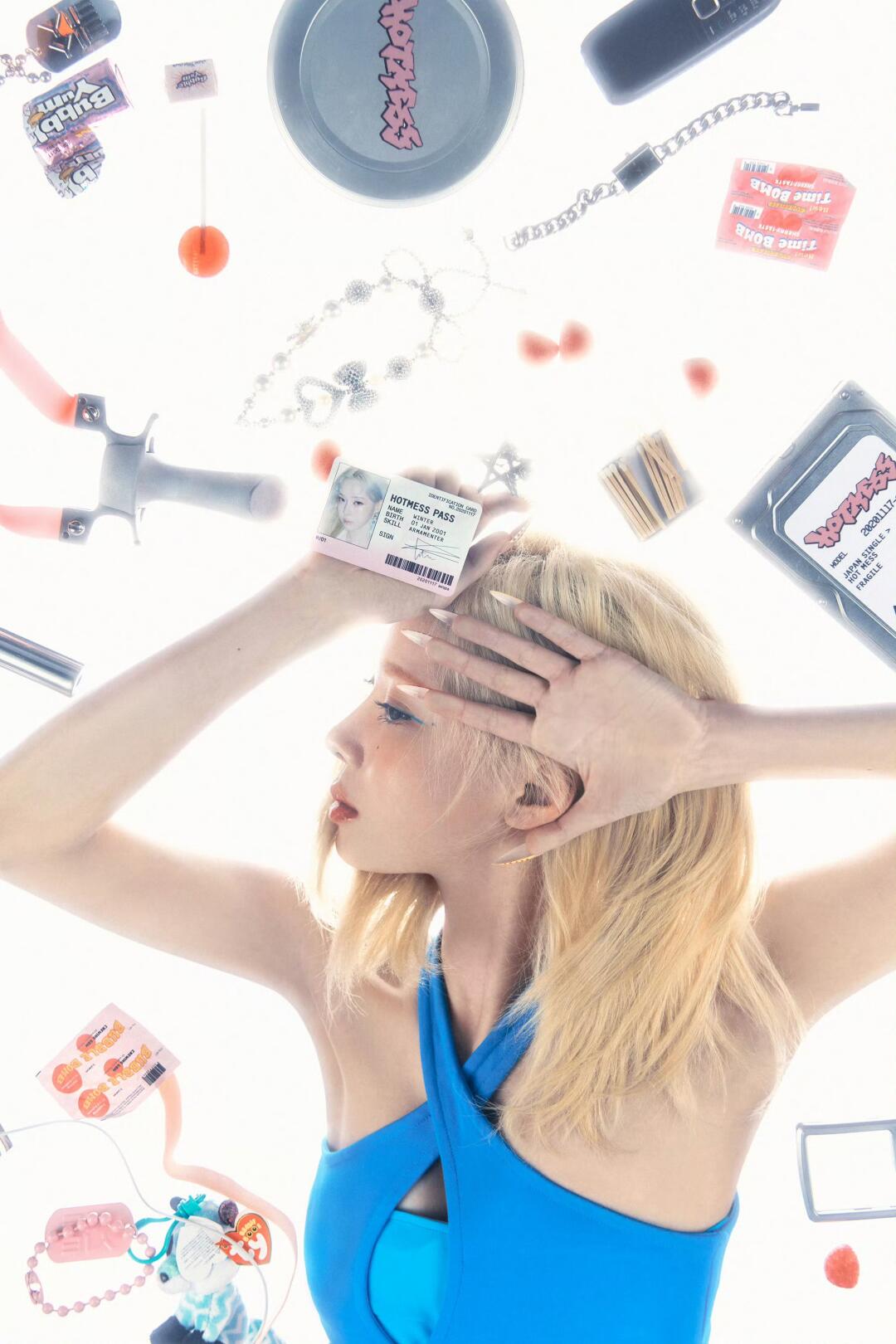
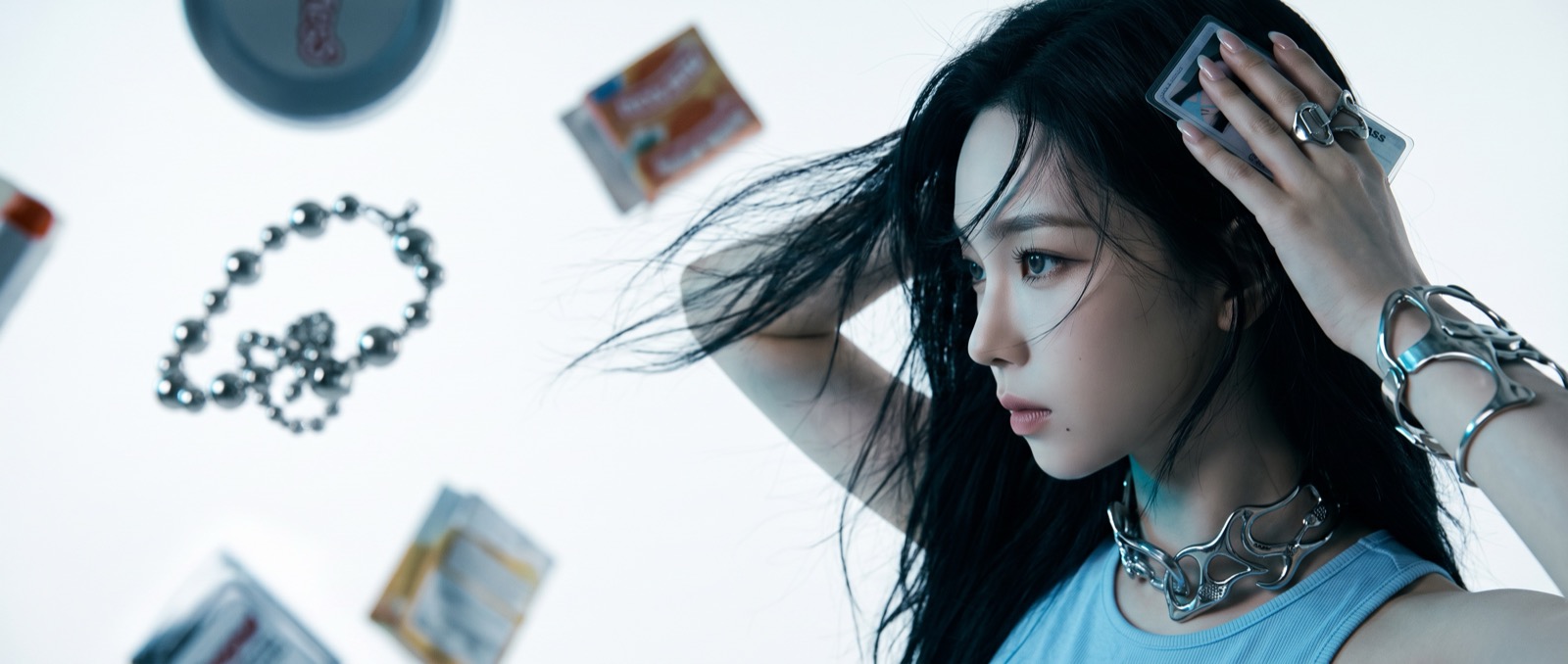
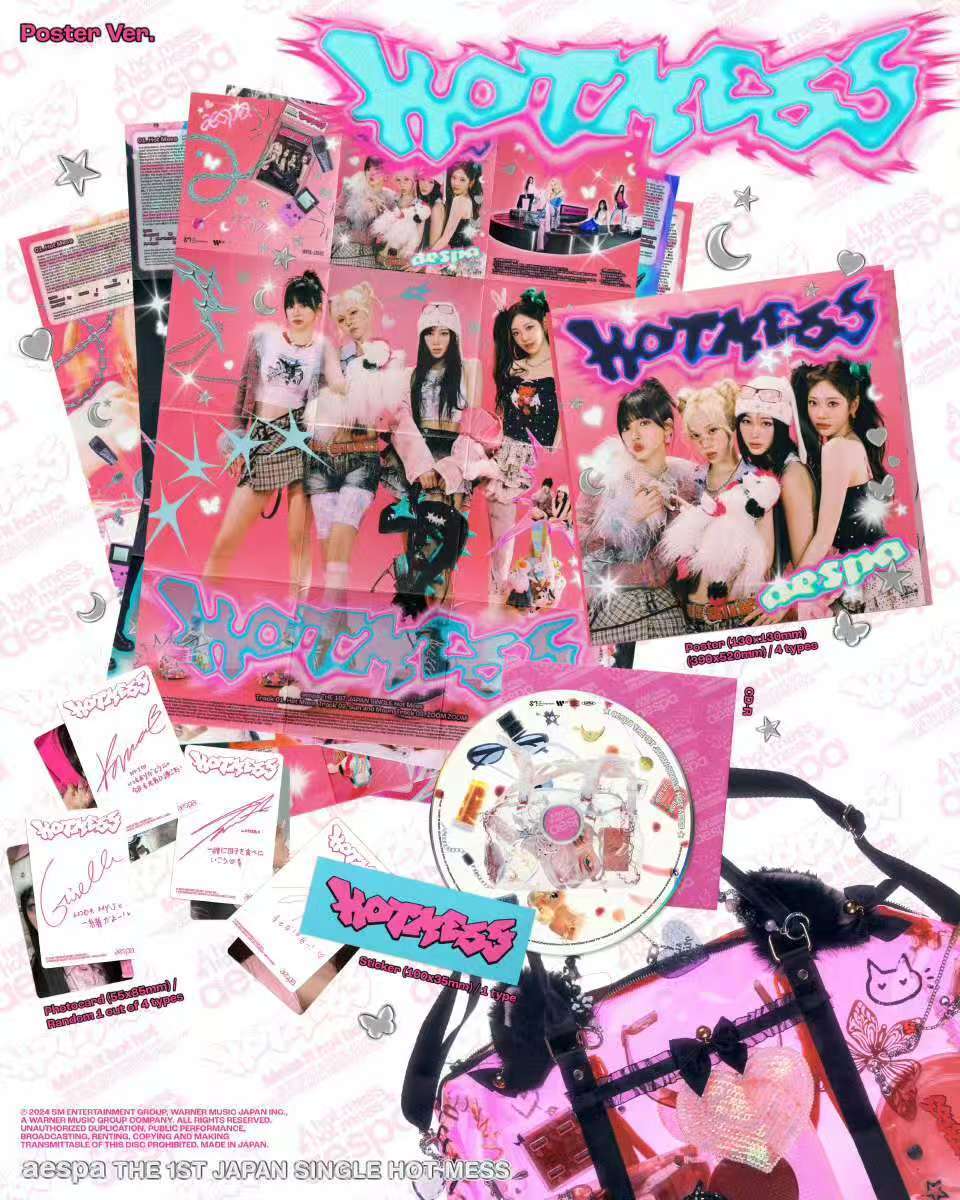
That is why aespa outfits are such a useful case study for y3k fashion. The group’s visual world does not simply borrow Y2K signifiers and call it a day. It pushes them into a brighter, sharper, more digitally unstable register: candy-coloured futurism, plastic surfaces, cyber streetwear, metallic props, faux ID cards, hard drives, wired gadgets, glossy hair pieces, star graphics, and album layouts that feel like a teenage bedroom collided with a computer lab.
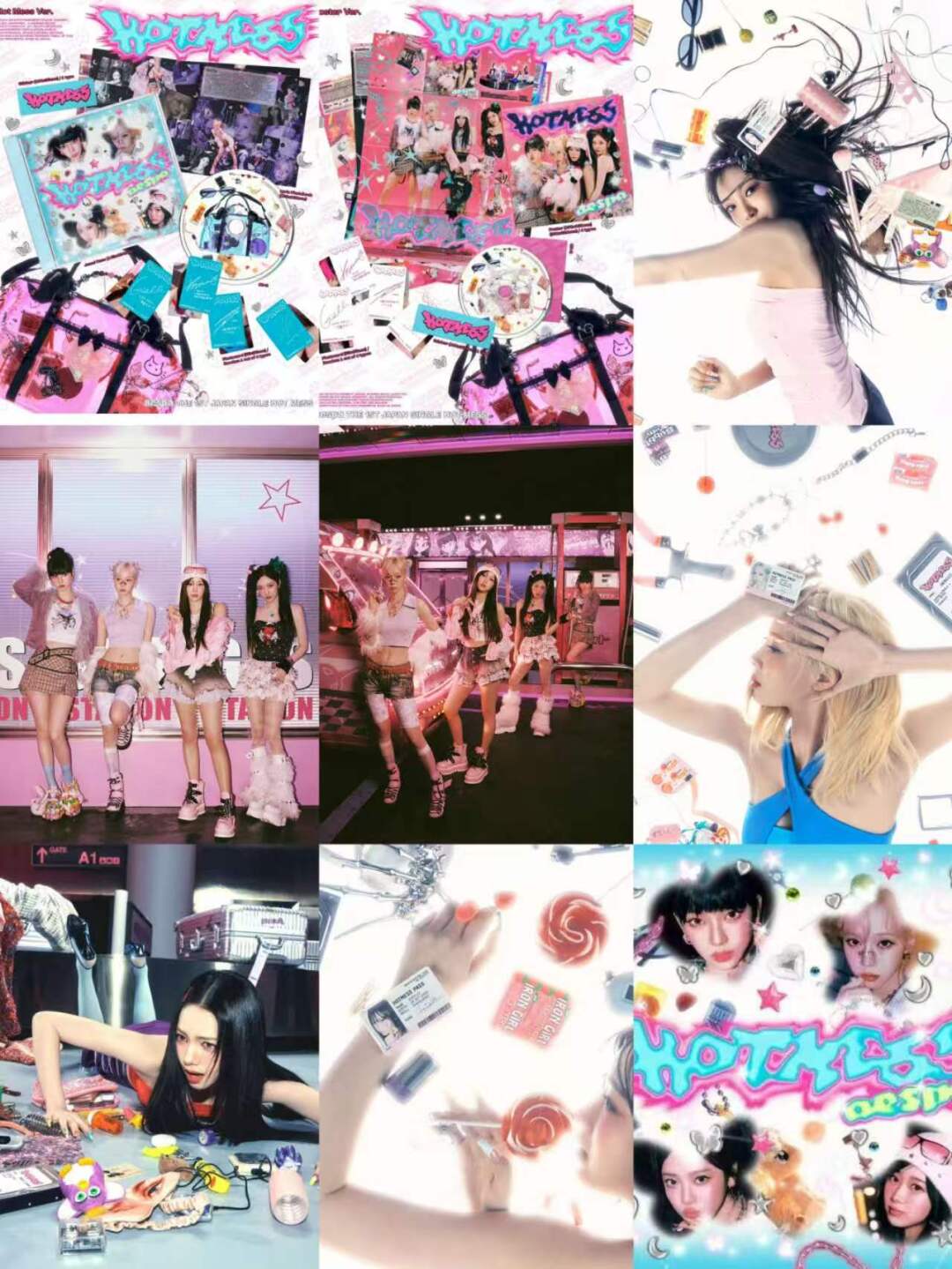
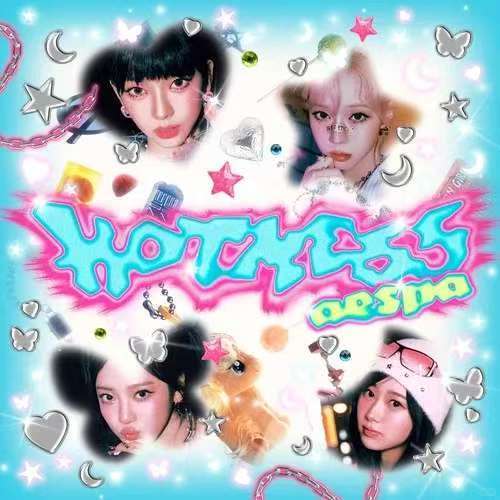
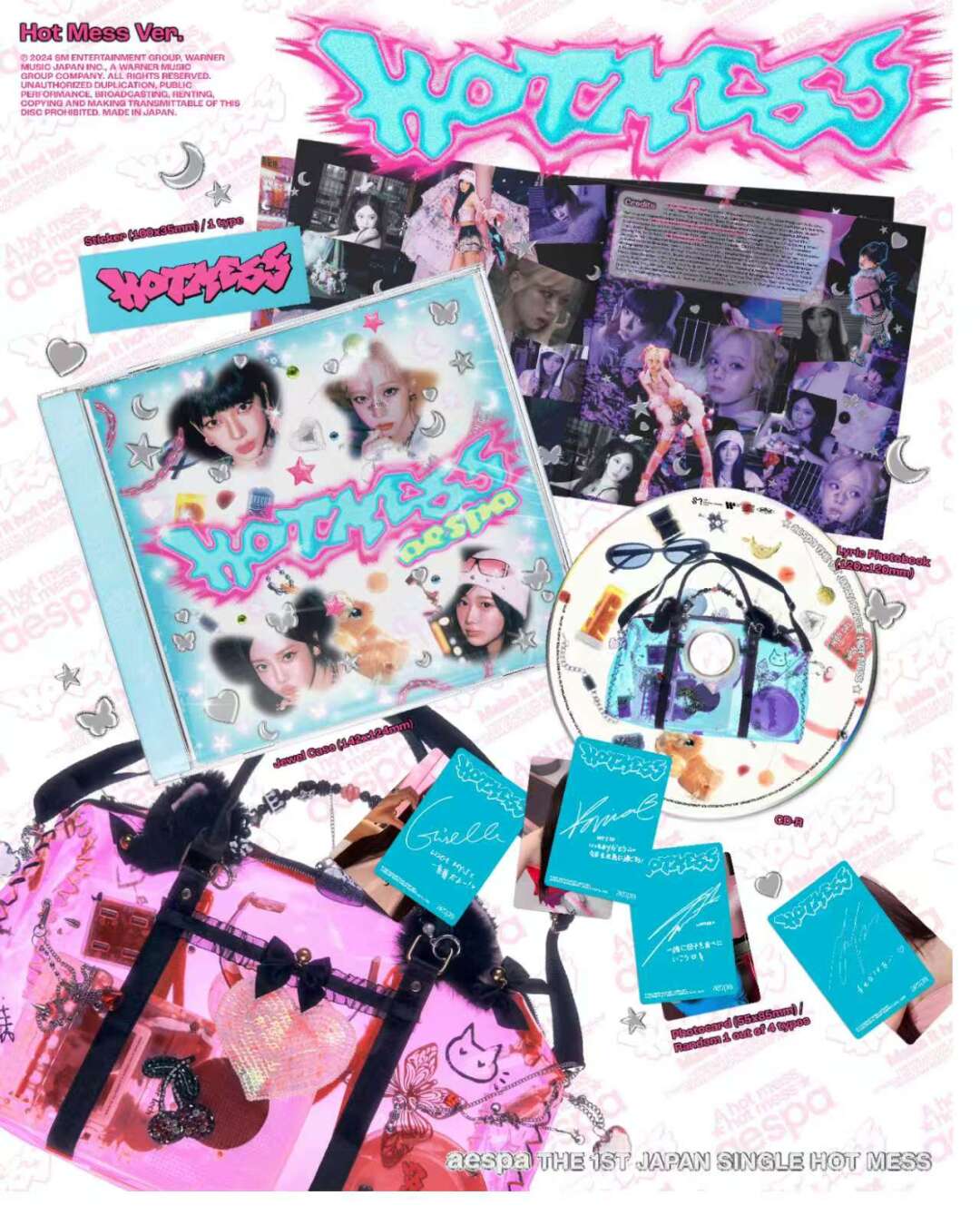
The point is not that aespa invented cyber Y2K fashion. The point is that their styling understands something many trend recaps miss: nostalgia only becomes interesting when it is put under pressure. In the official Japanese discography page for Hot Mess, the single is presented through a compact visual system of pink, cyan, plastic, collectible objects, and exaggerated graphic language. Around that centre, the concept photos build a world where the clothing, props, hair, makeup, and packaging all speak the same slightly unstable dialect.
Y3K Fashion Is Not Just Y2K With More Chrome
This is where I think the distinction matters. Y2K fashion is often treated as a checklist: low waist, baby tee, tinted glasses, mini bag, cargo pocket, metallic shine. Y3K fashion, at least when it is done well, is less about a fixed item list and more about a feeling of future nostalgia. It is what happens when 2000s optimism gets filtered through AI culture, idol world-building, virtual avatars, over-designed interfaces, and the very 2020s anxiety that everything is both real and rendered.
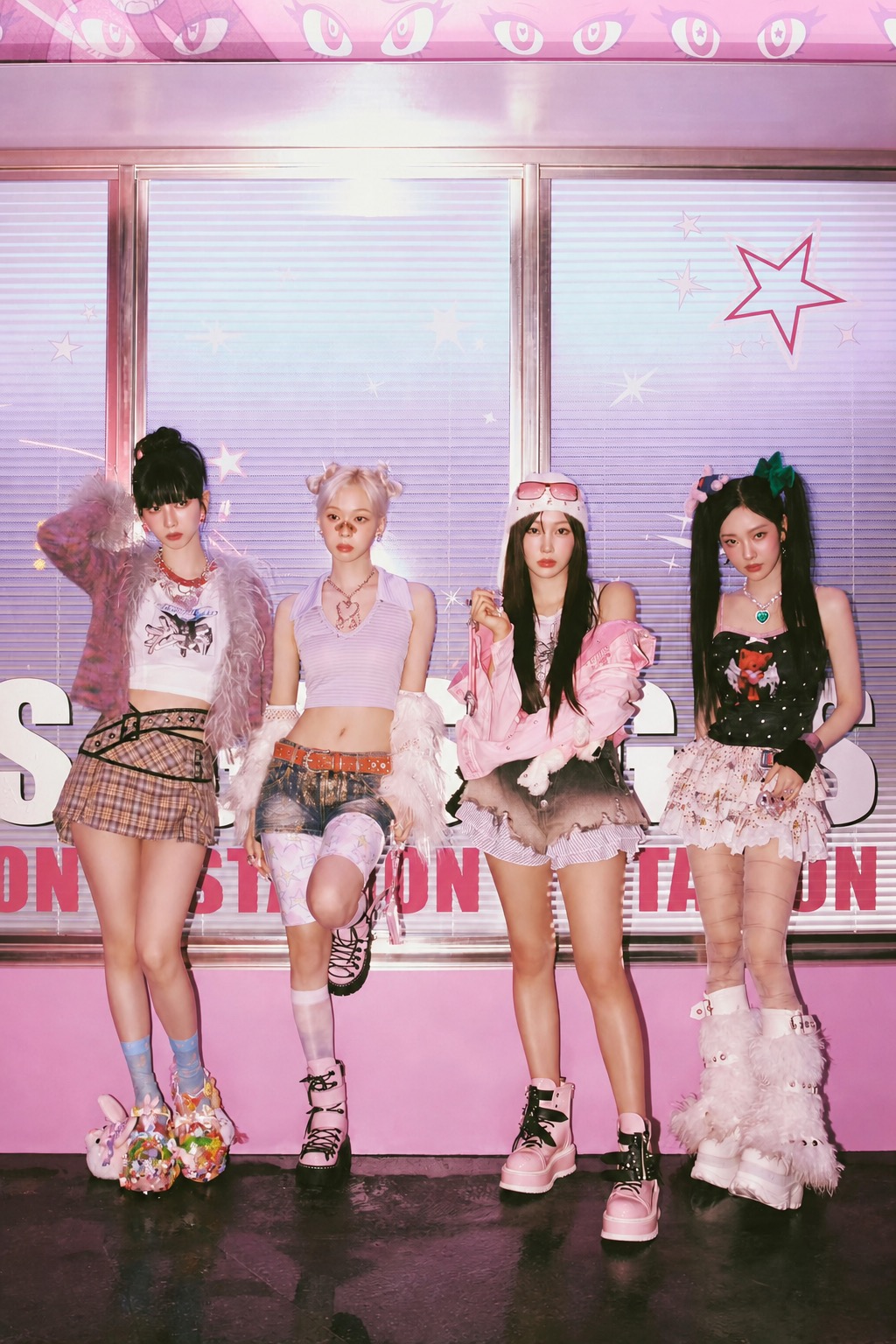
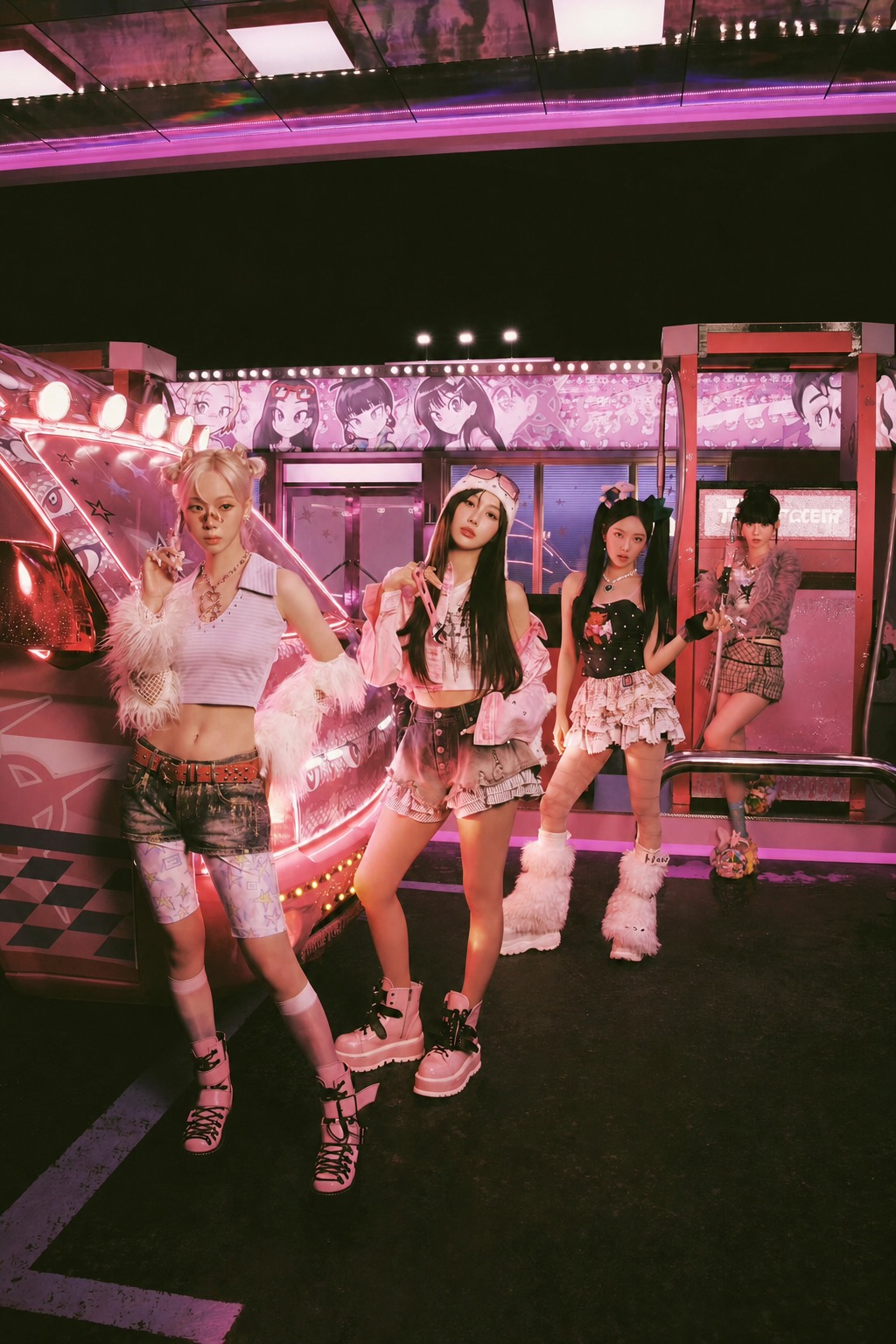
In the Hot Mess imagery, the clothes are familiar enough to be readable: cropped tops, mini skirts, fluffy boots, lace-up footwear, belts, sporty layers, fur textures, graphic tanks, and glossy makeup. But the styling is not trying to be a neat throwback. It is too bright, too staged, too synthetic. That is the friction. The outfits carry Y2K fashion references, but the surrounding world pushes them toward something more cybernetic.
This is why I prefer to read these looks as a bridge between Y2K and Y3K outfits rather than as pure retro styling. A pink cropped jacket is not radical on its own. A pleated micro skirt is not new. A fluffy boot is almost too easy to meme. But place those pieces in a neon bus-stop fantasy, scatter technological props around the body, add doll-like hair details and toy-store colour logic, and suddenly the outfit becomes part of a visual operating system.
The Clothing Works Because the Objects Do Too
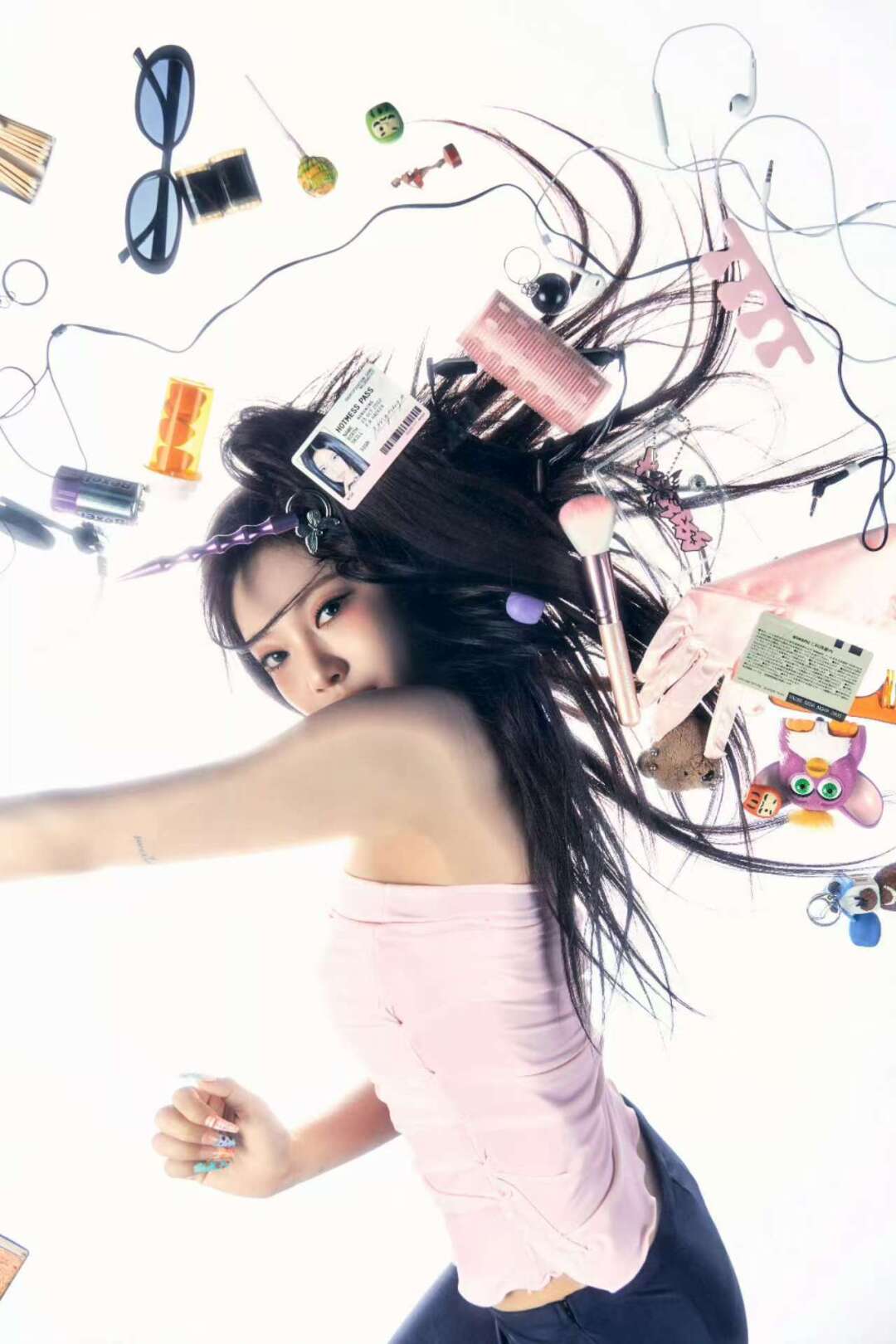
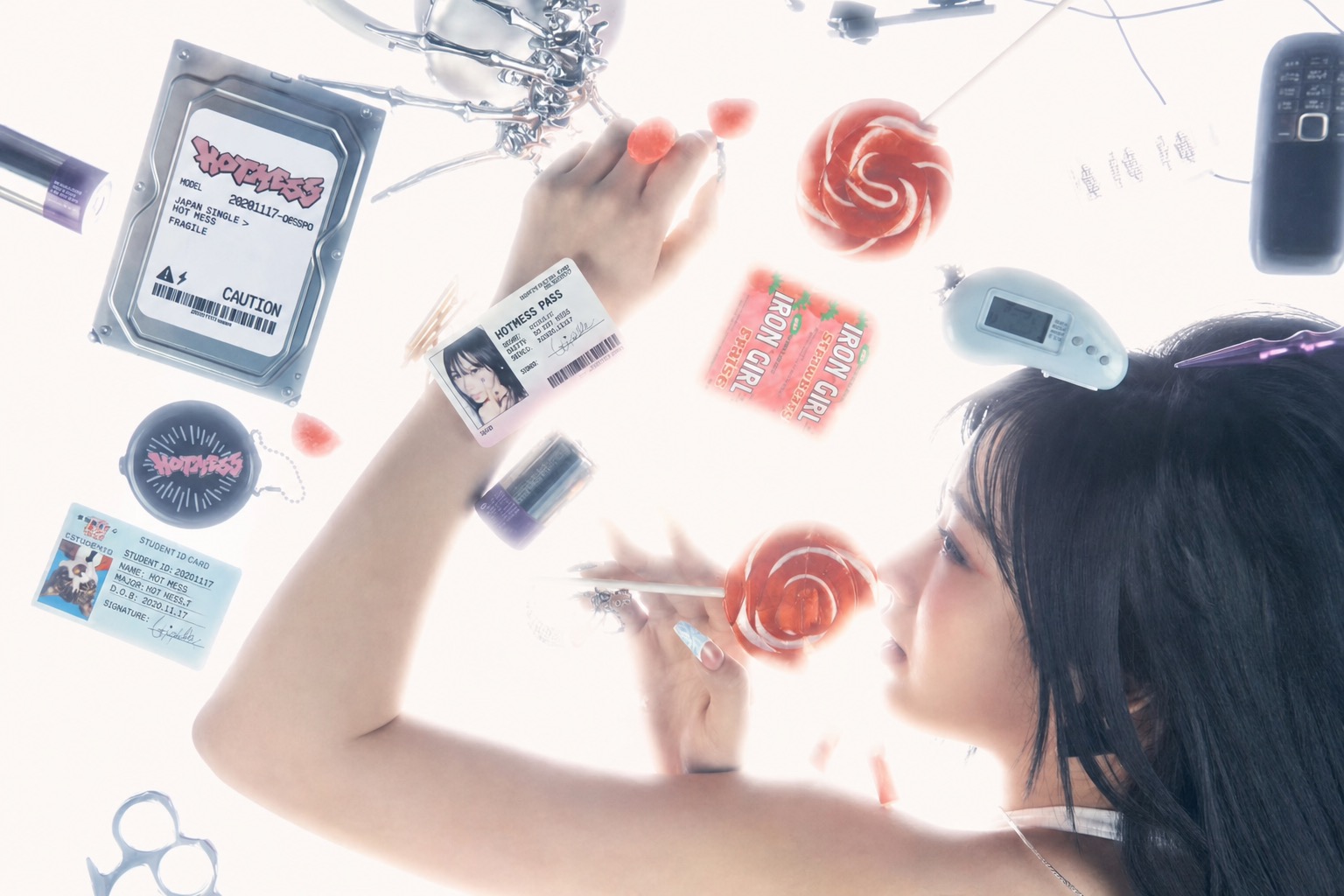
The most interesting thing about this visual direction is not only the clothing. It is the object styling. The hard drives, wired headphones, compact phones, ID cards, plastic cases, sweets, discs, and scattered beauty objects are not decoration in the passive sense. They are part of the fashion argument.
Y3K fashion needs objects because it is obsessed with the body as an interface. What is clipped to the hair? What is held in the hand? What is strapped, tagged, scanned, carried, or displayed? The futuristic feeling does not only come from a silver skirt or a PVC surface. It comes from the way the body is surrounded by devices and trinkets that make the person look like they have just fallen out of a digital archive.
This is where K-pop outfits often become more sophisticated than ordinary celebrity street style. Idol styling has to operate across still images, music videos, performance, album packaging, stage outfits, fan edits, and merchandise. The look has to survive as a silhouette, a thumbnail, a poster, and a moving body. That pressure can produce overkill, absolutely. But when it works, every accessory carries narrative weight.
Why Hot Mess Feels More Convincing Than a Clean Aesthetic
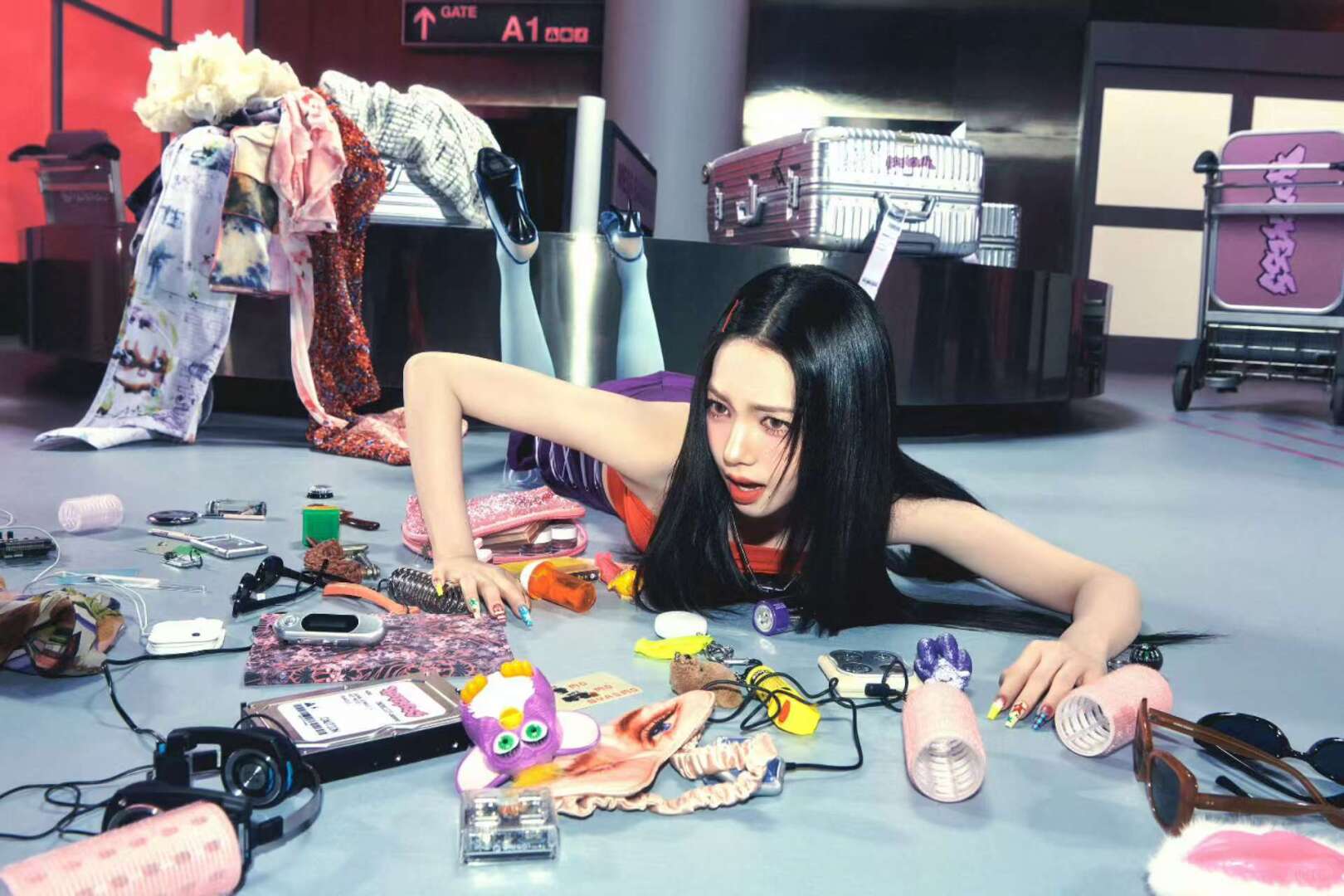
There is a reason the title matters. Hot Mess gives the styling permission to look scattered. Not sloppy, but deliberately overstimulated. The falling-body poses, the props spread across the floor, the candy colours, the doll-like beauty styling, the plastic textures, and the album ephemera all work because the visual system is not pretending to be minimal. It knows that excess is the point.
I find that far more convincing than the clean, showroom version of futurism. Too much “future fashion” gets trapped in sterile silver bodysuits and blank-faced minimalism, as if the future will arrive with perfect lighting and no personal belongings. But actual digital culture is messy. Desktops get cluttered. Camera rolls overflow. Feeds collide. References stack on top of each other until the original source is almost impossible to isolate.
That is the more honest future in these images. Not a smooth spaceship fantasy, but a chaotic folder of pop-cultural debris: manga eyes, shiny packaging, retro electronics, fake passes, cartoonish graphics, glittering makeup, and girlish accessories treated with industrial seriousness. It is a very K-pop answer to y3k fashion because it understands that the future does not have to look mature to look designed.
The Falling Stars Reference Works Because It Loses the Flex
The staged “fallen with objects scattered around me” image format has an older internet life. It often carried a kind of wealth-performance energy: here are my bags, my tech, my beauty products, my identity accessories, my curated proof of taste. In this Hot Mess context, that pose becomes less about showing off possessions and more about showing the character system around the performer.
That shift is important. The objects are still aspirational, but they feel less like a shopping haul and more like evidence. The person on the floor is not simply flexing. She is placed inside a world where every object helps define the track’s mood: playful, brash, overstimulated, synthetic, and a bit unhinged in the best way.
This is also where aespa style benefits from the group’s broader concept language. Even when the imagery leans sweet, it rarely loses the engineered quality. The softness is packaged. The girliness has circuitry around it. The cute details do not cancel the future-facing mood; they make it more specific.
What This Means for the Y3K Trend
If there is a practical takeaway, it is this: y3k fashion works best when the styling has a system, not just a shine. Silver, PVC, and neon can help, but they are not enough. The stronger formula is texture plus interface plus attitude. Metallic or plastic surfaces. A body-conscious silhouette. A strange accessory. A graphic object. Hair or makeup that looks slightly artificial. A colour palette that feels sweet until it starts to feel digital.
For everyday dressing, that does not mean copying aespa outfits literally. Most people are not walking around with a full album-concept budget, and honestly, thank God. The more useful move is to borrow the logic. Pair a cropped top with a glossy or technical texture. Add a wired object, a metallic bag, a playful hair accessory, or a strange charm. Let one item look a little too synthetic for the rest of the outfit. That is where the look starts to breathe.
I do not think every Y2K revival needs to become Y3K. Some references are better left as they are. But the Hot Mess visual world shows why the next stage of pop futurism cannot be too clean. The future looks more interesting when it keeps the clutter, the colour, the fake IDs, the plastic toys, the hard drives, the lip gloss, and the sense that the whole thing might crash at any second.
That, to me, is the actual promise of cyber Y2K fashion. Not nostalgia as a costume, but nostalgia as a messy interface for imagining what comes next.