
Anker's AeroClip 2 Is Betting the Earbud Should Be Seen
Anker's AeroClip 2 and AeroClip 2 Pro make the earbud visible. Explore the clip design, AI recording, and what public wearables need to earn.
TL;DR
- AeroClip 2 and AeroClip 2 Pro put open-ear audio on the visible part of the ear.
- AeroClip 2 Pro adds AI voice recording, transcription, and summaries, moving the product beyond listening.
- The clip form factor enters fashion’s visual language without automatically becoming fashion.
- The larger question is whether visible tech can earn a clear public role, not whether it can do more.
Why Is the AeroClip 2 a Visible Wearable?
Your ear is having a product moment.
At IFA 2026, Anker introduced the AeroClip 2 and AeroClip 2 Pro, two open-ear clip earbuds designed to sit around the ear instead of disappearing into the ear canal.
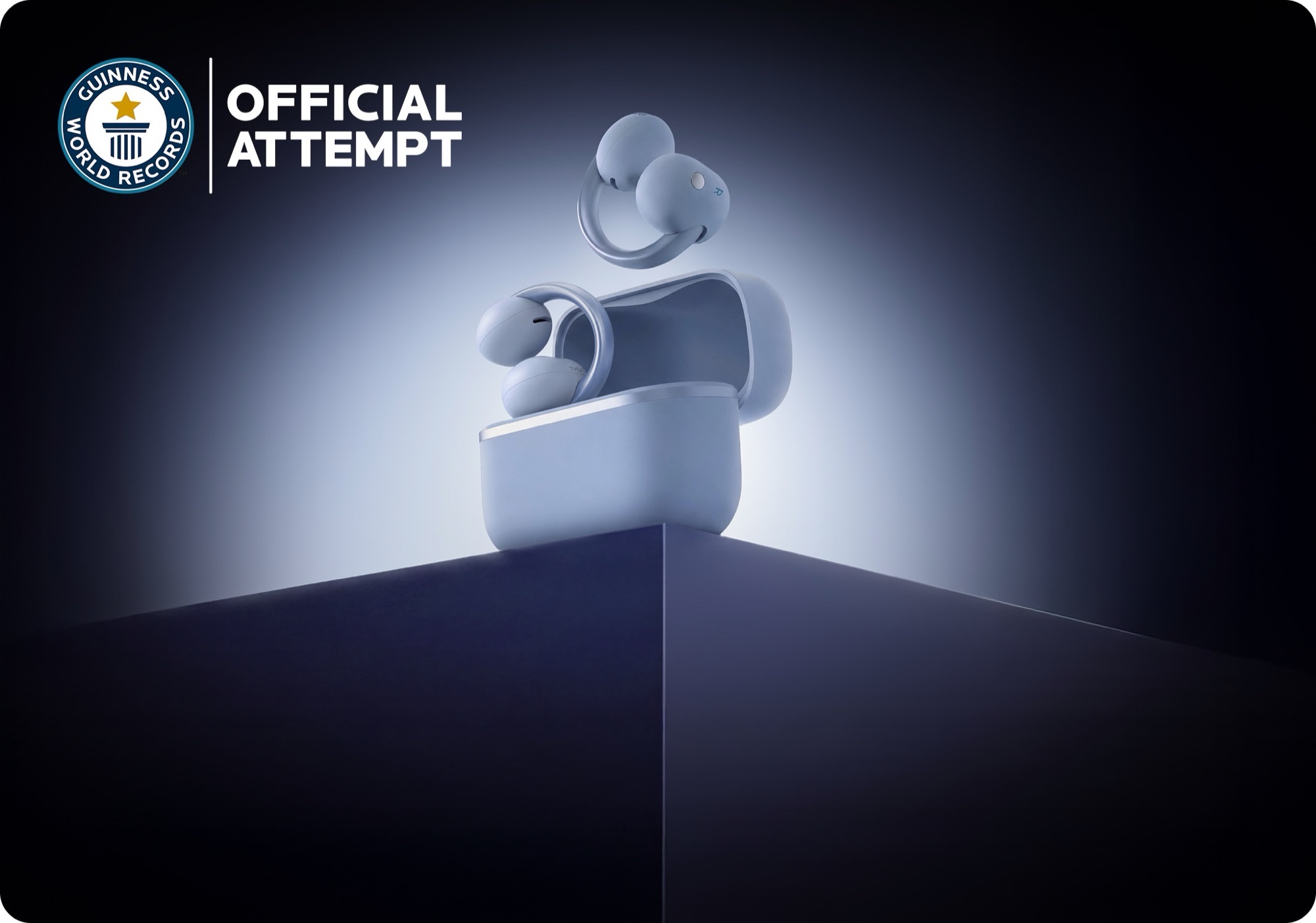
Before we get to the AI, that is the move.
Most audio products are designed to be invisible. Put them in, close the case, forget they are there. An ear clip does the opposite. It occupies the visible part of the body. It changes the product from something you use into something other people can see you using.
That does not automatically make it fashion. A clip is a form factor, not a point of view. But it does put the product in the right conversation.
Anker’s official product language is focused on calls, comfort, and awareness. The AeroClip 2 is open-ear, powered by the THUS AI chip, and built around the GoldenFit C-Bridge. The pitch is that you can hear traffic, your name, or whatever else is happening around you while music, podcasts, or calls keep going.
That is the practical case for an open-ear earbud.
The cultural case is more interesting. The ear is not just a place to deliver sound. It is already a place where people make decisions about identity: hoops, cuffs, studs, piercings, charms, nothing at all. An ear clip enters a part of the body that already has a visual language — the same territory covered in our ear cuff earbuds guide and earbuds that look like earrings.
The product does not have to become jewelry to matter here. It just has to acknowledge that wearing something on the ear is not a neutral act.
A visible wearable has to earn the right to be seen.
AeroClip 2 is Anker’s second-generation open-ear clip design, with a 12mm driver, LDAC support, up to eight hours of playback from the earbuds, and up to 32 hours with the case. It is scheduled to launch in the US on September 22 for $169.99, with colors including Midnight Black, Red, Cloud White, and Mist Blue.
Those details tell us what the product is. They do not yet tell us what it means to wear it.
What Does AeroClip 2 Pro Add Beyond Audio?
The Pro is where the product changes jobs.
AeroClip 2 Pro adds AI Voice Recording. Anker says it can capture meetings, phone calls, and personal interactions, then move the recordings into the Soundcore app for transcription and summaries. Forbes reports that the Pro can record both sides of a phone conversation and let users search past meeting notes. Battery life is listed at 10 hours, with another 30 hours in the case.
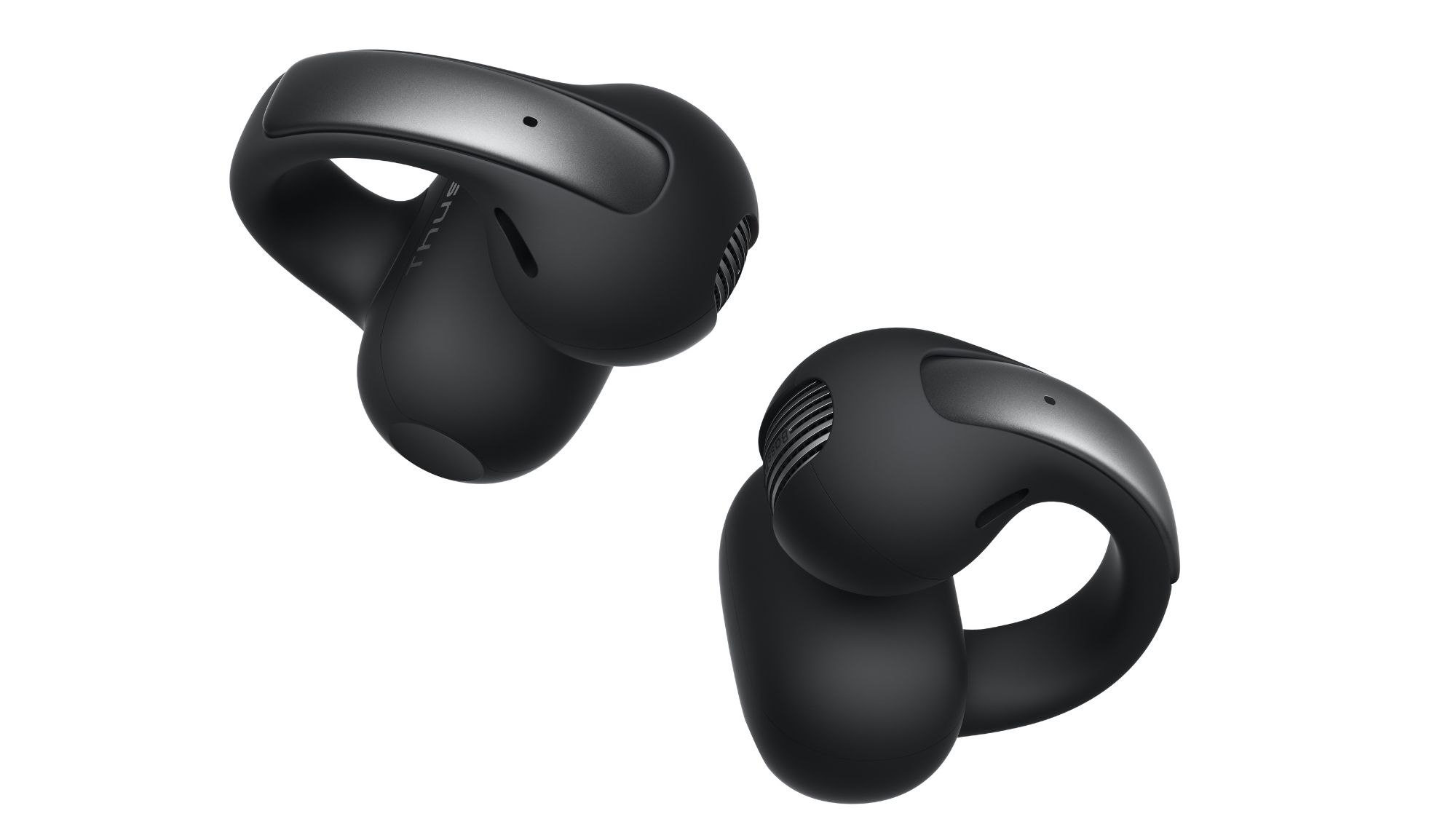
The regular AeroClip 2 is an audio product with translation and call features. The Pro is an audio product that also wants to become a memory layer.
That distinction matters more than another driver size.
SoundGuys described Anker’s broader IFA lineup as audio for work, sleep, and everything between. Music is apparently just one job now. Earbuds are being asked to take notes, track sleep, mask snoring, and translate conversations. The category is expanding by attaching itself to the rest of your day.
But the more jobs a wearable takes on, the more visible its social contract becomes.
Listening is one thing. Recording is another. If a small object sitting on someone’s ear can capture a meeting or a personal interaction, the product is no longer only negotiating with the person wearing it. It is also entering the room around them.
That is the part no AI chip can solve on its own.
The Pro’s final price and launch timing are still to come. That leaves the product in an interesting place: the standard model is easy to understand as a daily earbud, while the Pro is asking people to decide whether an ear clip should also be their recorder, note taker, and searchable memory.
The technology can do more. The question is whether the object has a clear enough role in public.
What Is Anker’s New Brand Strategy?
The AeroClip launch did not happen in isolation.
On the same day, Anker Innovations announced that Anker, eufy, soundcore, SOLIX, and eufyMake would gradually move under one Anker name. The company is splitting the portfolio into Anker For You, the technology that moves through the day with you, and Anker for Home, the home that takes care of itself.
This is more than a logo change.
Anker is trying to organize its products around life instead of product categories. Its first standalone Berlin store will present the portfolio around real-life use, with products from different categories shown as one connected system.
The AeroClip is the most legible version of that strategy because it is literally on you.
It is personal audio, but it is also a day-to-day object. It can sit in the same category of daily companions as a watch, a ring, or a pair of glasses, even though it is still being sold through the language of earbuds.
That is where the brand has an opportunity. The product is not only a better place to put a speaker. It is a small piece of the company’s larger shift from selling separate devices to selling a technology layer that follows you through the day.
Can Visible Tech Become Desirable?
Open-ear does not automatically equal desirable.
Tech companies have been putting electronics on the body for years and calling the result wearable. That usually means the product is functional enough to tolerate, not good enough to want.
Anker has solved some of the legibility problem. We know where the AeroClip goes. We know what the two models do. We know what the chip is supposed to improve. We know when the regular model is coming and what it costs.
The harder question is taste.
Does the shape feel intentional when someone sees it from across the room? Does it read as an accessory, a tool, or a piece of equipment? What does the Pro look like when it is recording a conversation? What tells the people around you what is happening? What makes someone choose this particular object instead of hiding the technology altogether?

These are not decorative questions. They decide whether a visible wearable becomes part of a person’s identity or remains a useful thing they take off when the room gets interesting.
The product page can say barely there. The body is where that claim gets tested.
What Should Anker Do Next?
1 / Stop selling the clip as a compromise.
Open-ear should not be framed as the version you buy when you do not want a real earbud. The clip is the product. It occupies the ear differently, gives awareness a physical form, and makes the device legible before it makes it useful.
2 / Give the two models different reasons to exist.
AeroClip 2 has a clean daily job: listen, take calls, translate, stay aware. The Pro needs a sharper social and professional role because recording changes the relationship between the wearer and everyone around them. More functions are not the same thing as a clearer reason to wear it.
3 / Build the accessory story before the AI story.
THUS is the engine. It is not the identity. The AI can improve calls and turn conversations into notes, but the first question is still visual: what kind of object do people want sitting on their ear all day?
Anker has already put the ear clip on the IFA stage. The next launch is not a press event. It is the moment somebody wears it into a meeting, onto a train, through a gallery, or into a room where the product has to stand for itself.
What Does AeroClip 2 Mean for Wearable Audio?
The first generation of wearable audio was about shrinking technology until it disappeared.
The next generation is about deciding what deserves to be visible.
AeroClip 2 is not proof that earbuds have become fashion. It is proof that the category is moving toward the part of the body where fashion has already been happening for a very long time.
The earbud is no longer trying to disappear.
Now it has to tell us why it wants to be seen.
Real Talk: Would you wear an ear clip because of how it looks, what it does, or both?