Dune aesthetic, BDO scale, and cinematic fate
A focused note on Dune aesthetic, from Villeneuve's monumental BDO visual language to Hans Zimmer's score, religious atmosphere, and fatalistic sci-fi appeal.
The Dune series is the set of films I have gone back to see in theaters the most since I started watching movies.
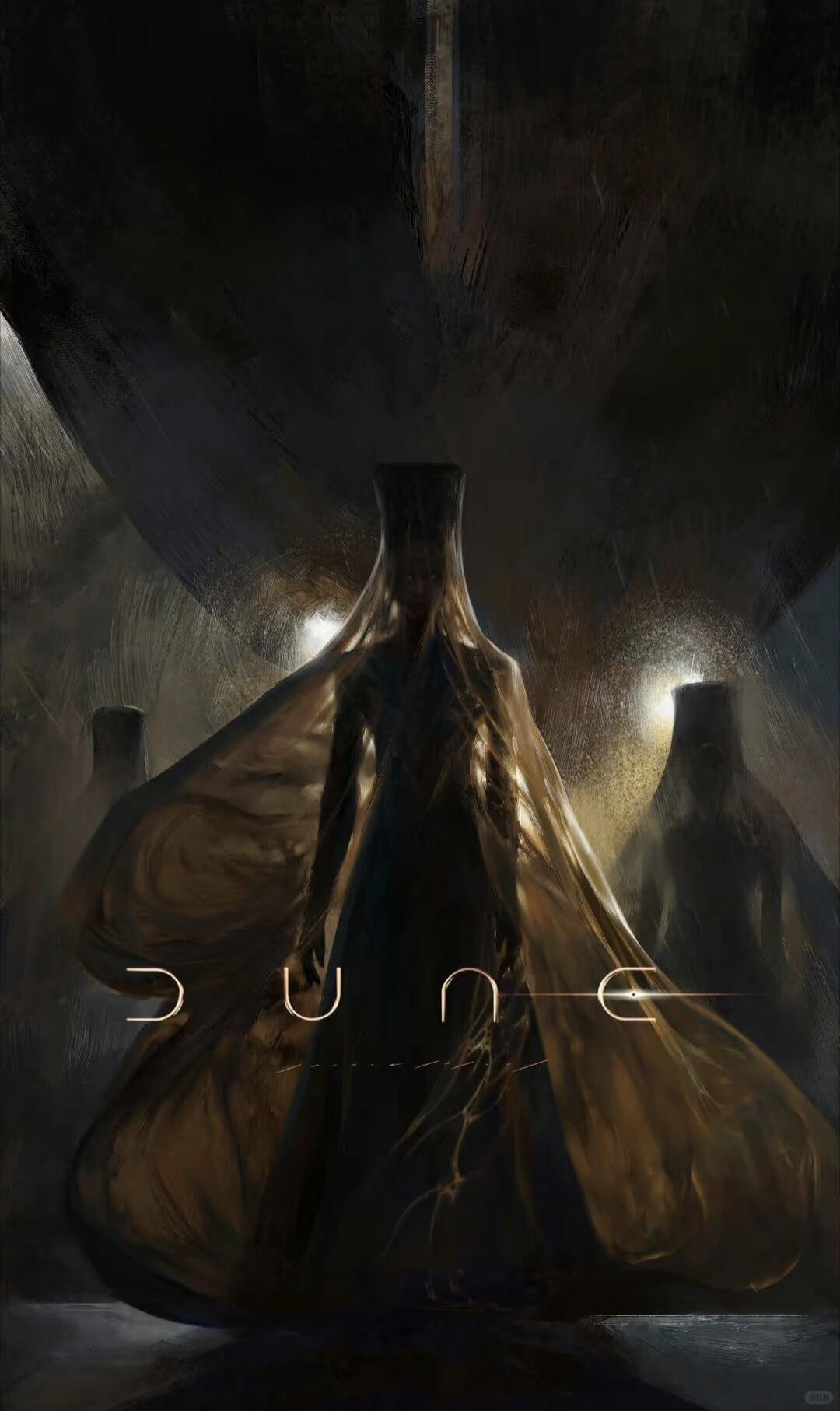
Personally, I feel that choosing Denis Villeneuve for Dune created a very strong balance between aesthetic value and commercial value. The films have a clear directorial style, and the staging, light and shadow, art direction, and music are all held together beautifully. I want to talk about my overall impression of the Dune film series from a few angles.
A Distinct Aesthetic
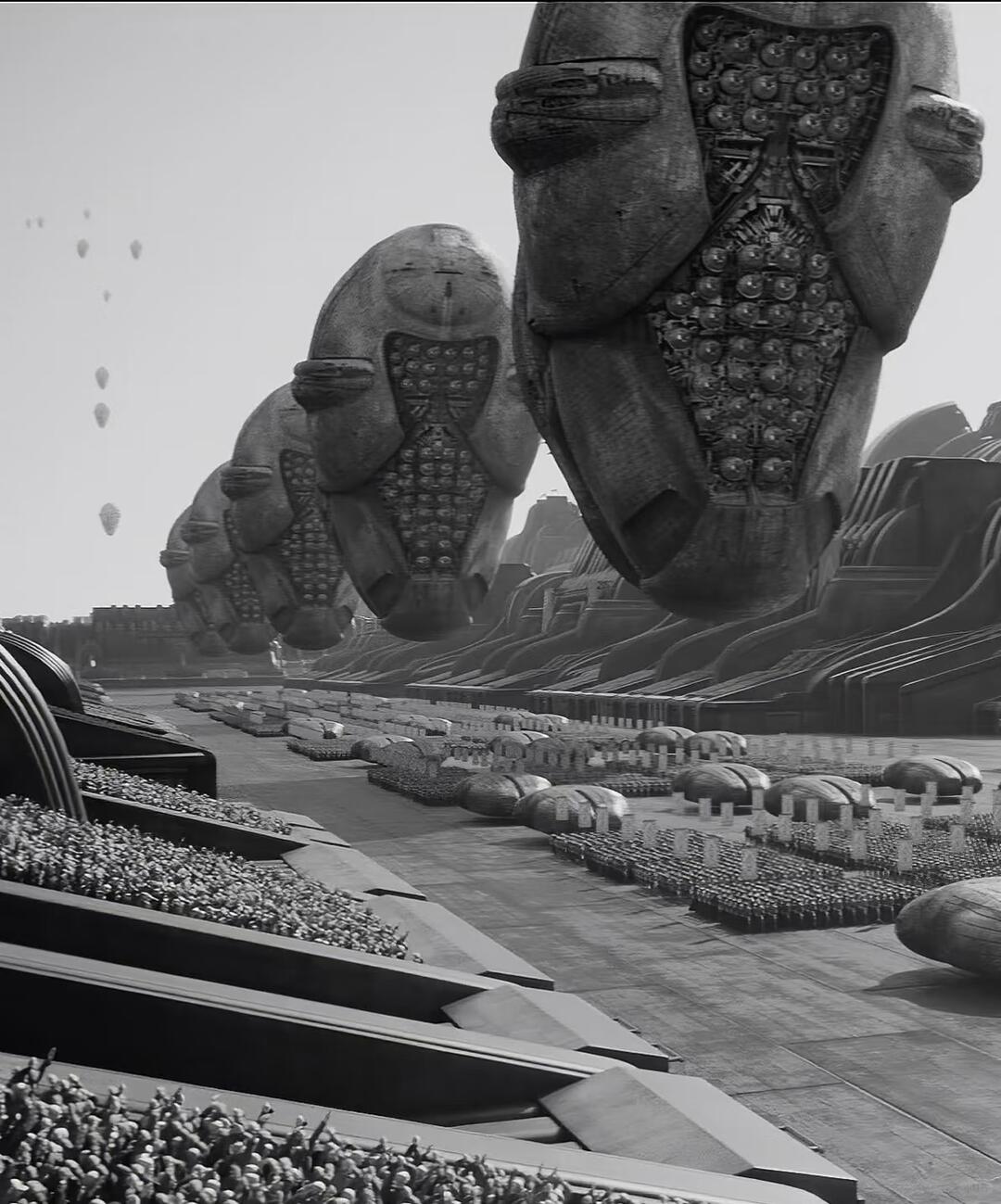
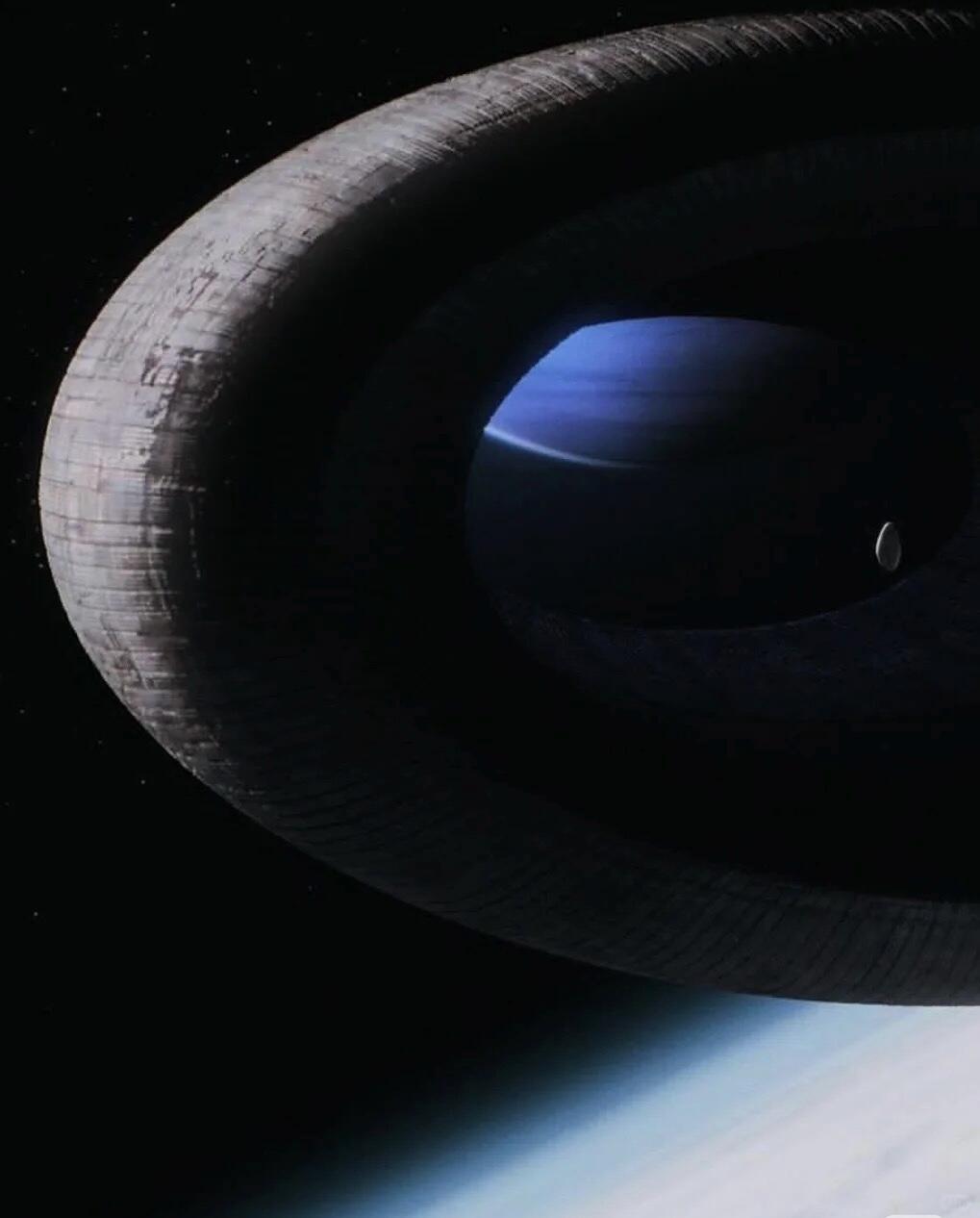
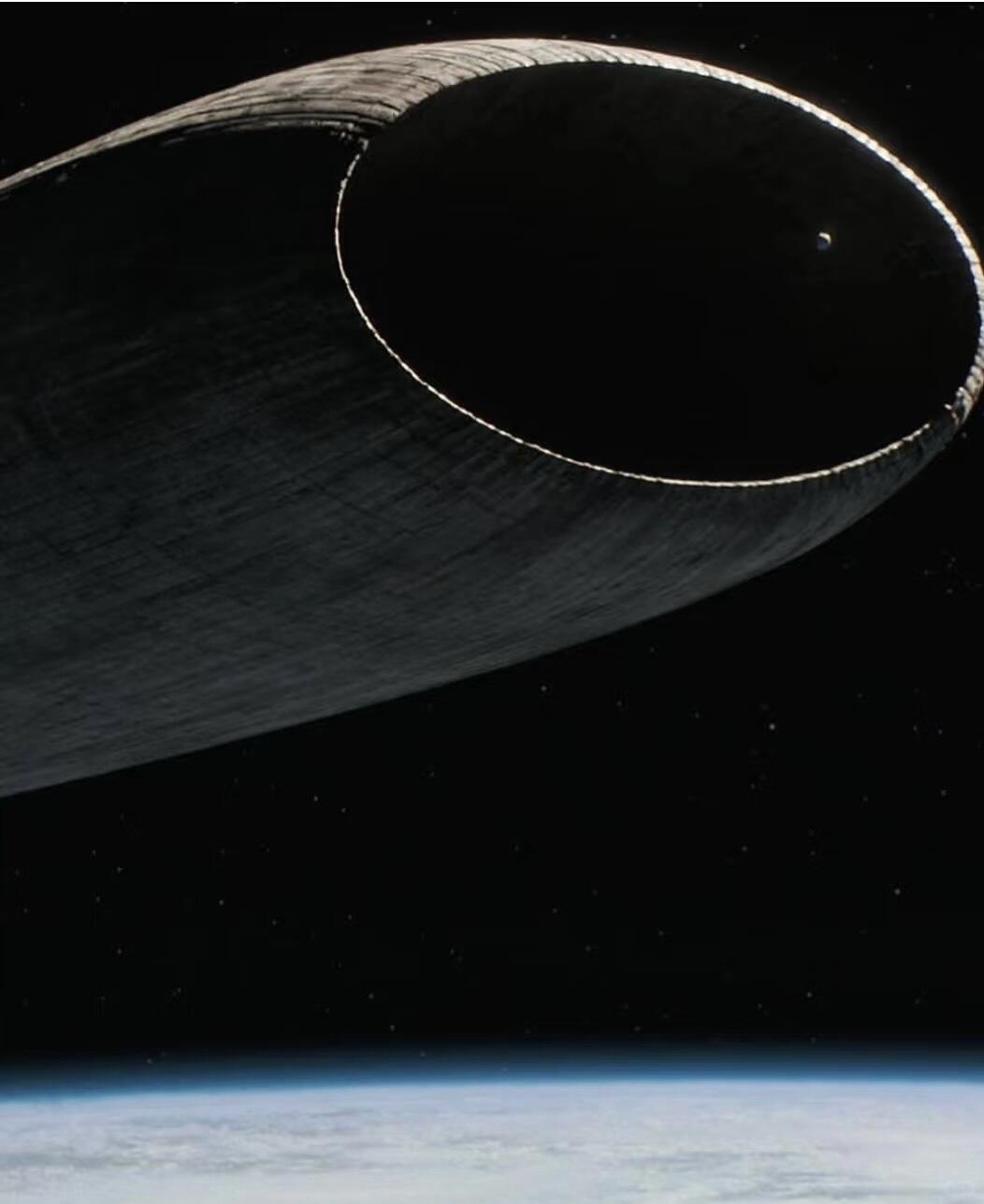
Villeneuve has a very personal style when it comes to composition, staging, and the use of light and shadow. You can see this in his other work as well. While staying aligned with the script and the story, he uses the camera in a very emotional way.
After watching later interviews with the director, I found that his preference for order, simplicity, mystery, and a sense of religion in the image leans toward a former Soviet utopian aesthetic. It hits the mind in a more direct, violent, and rough way. This is also called BDO aesthetics. At the same time, within that foundation, you can also see his own more emotional details.
Music
Hans Zimmer can be called one of the ceiling-level composers in film scoring. Of course, what he does now is keep raising that ceiling higher and higher. His music has almost become carved into our DNA without us realizing it, from The Lion King to Interstellar to Pirates of the Caribbean.
For a master like this, the standards for restoring atmosphere and immersive experience in an audiovisual scene are extremely demanding. For example, with the Dune score, the guitarists were asked not to make the guitar sound like a guitar, but to try to create a sound closer to a British bagpipe.
Coming back to the Dune score itself, the most memorable part is definitely the mysterious, siren-like vocal sound. Paired with the percussion in the background, it pushes key moments in the film to a climax and strengthens the mysterious, religious atmosphere.
The Balance Between Commercial Product And Art
Overall, Dune is a typical commercial film, but it balances commercial value and artistic value very cleverly.
Of course, many people have commented that Dune repeats an ancient human story while wearing the outer shell of science fiction. Human beings cannot invent a world they have never seen. What audiences still love watching is a variation of the human world. The prophecy of the chosen one remains a classic religious narrative, and people with religious belief can each find their own resonance in it. This is also part of the code behind its global reach.
Overall, this series is one I would put on my life list of films. It makes people think and feel a sense of fate. After all, being unable to defeat destiny is one of humanity’s oldest spells, and the uncertainty of fate has its own power over an audience.