
Huawei's New Wearables Put the Wrist and the Ear in the Same Conversation
Huawei's Munich launch asks whether smartwatches and earbuds can become part of personal style, from the WATCH GT 7 Pro to FreeBuds Neo.
TL;DR
- Huawei’s September 2 Munich launch puts several watches and FreeBuds Neo in one wearable-tech conversation.
- The WATCH GT 7 Pro uses ceramic, titanium, sapphire, and color choices to make wrist presence part of its product pitch.
- The WATCH 6 Pro and FreeBuds Neo show different ways wearable devices can mix utility with visible design.
- The real test is whether wearing a device feels natural enough to stop noticing it as a gadget.
What Did Huawei Announce in Munich?
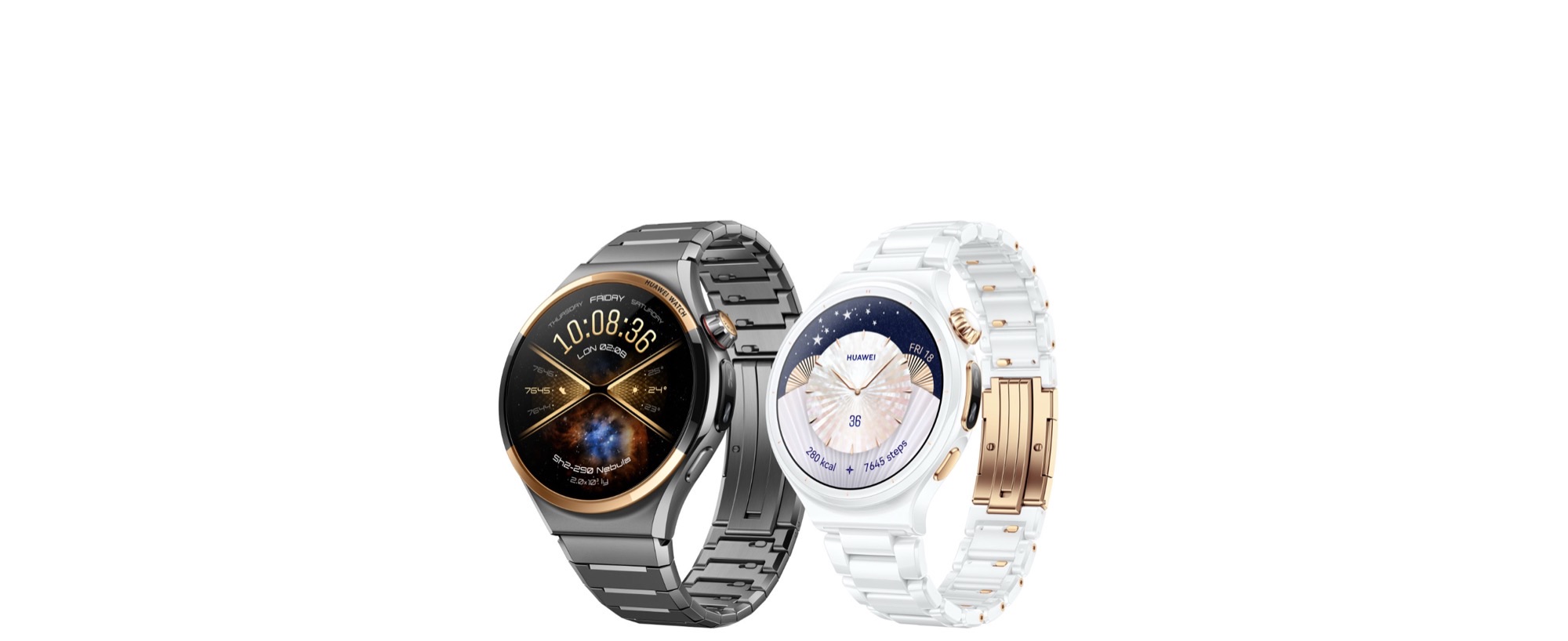
At Huawei’s Munich launch on September 2, 2026, the interesting thing was not simply that the company announced another batch of watches and earbuds. That part is expected. It was the lineup: HUAWEI WATCH GT 7 Pro, WATCH 6 Pro, WATCH D3, WATCH GT 7, WATCH 6, and HUAWEI FreeBuds Neo. Look at that as one product moment and Huawei is working on two of the most visible places consumer technology can occupy on the body: the wrist and the ears.
When Does a Wearable Become a Personal Object?
The thing is, a visible object is not automatically a personal object. “Stylish” is easy to put on a product page. The harder part is whether the device changes the way you move through a day, or whether it is still asking to be treated like a gadget that happens to be worn.
How Does the WATCH GT 7 Pro Change the Wrist?
The HUAWEI WATCH GT 7 Pro is a pretty clear example of the first attempt. Huawei describes a raised nano-tech ceramic bezel, an aerospace-grade titanium alloy case, sapphire glass, and an EasyCross strap. It also shows the watch in yellow and green color directions instead of treating color as an afterthought. Those choices matter before the display even turns on. They give the watch a point of view from across the room, which is different from adding another black rectangle to a wrist.
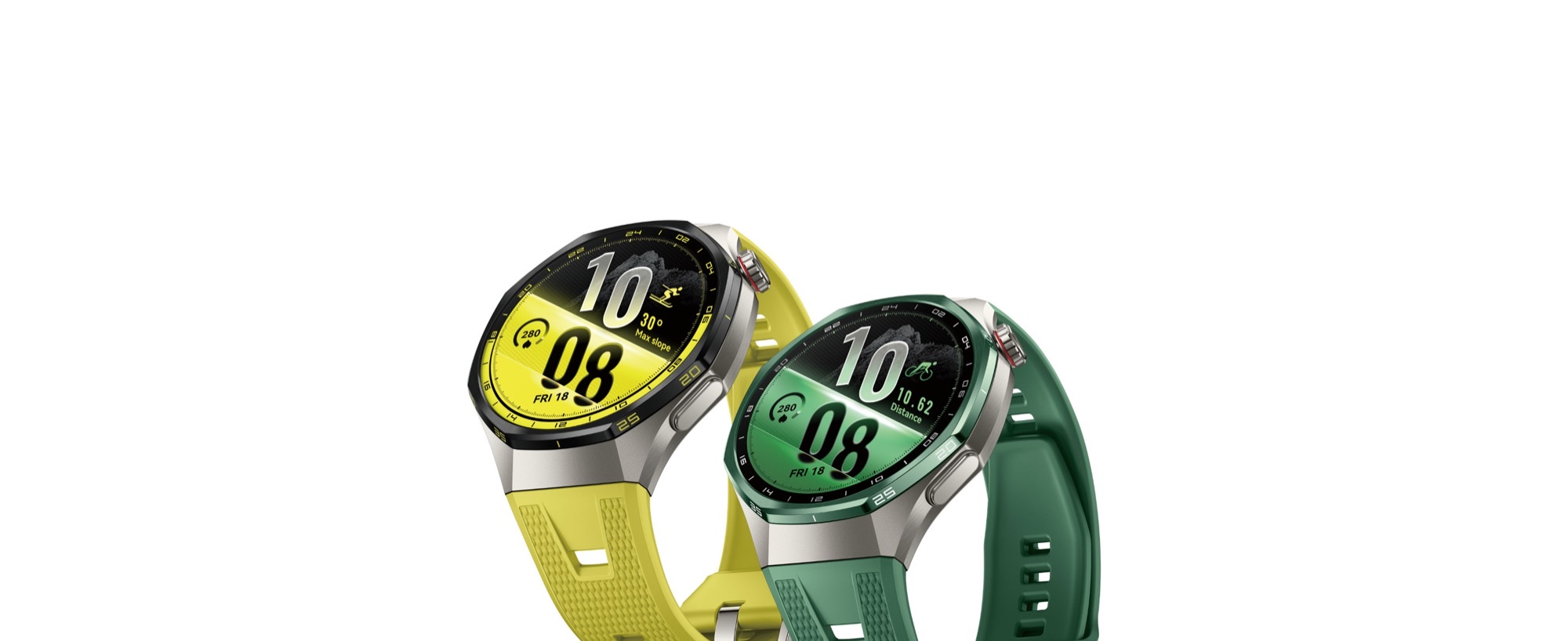
The GT 7 Pro is still presented around endurance, route planning, climb data, health tracking, and battery life. Huawei’s published battery figures for the GT 7 Pro are up to 12 days of typical use and up to 21 days in light use. The question is whether the material and color decisions become part of that utility, or whether they are just a nicer shell around the same set of watch functions.
What Does the WATCH 6 Pro Add to Daily Use?
The HUAWEI WATCH 6 Pro takes a slightly different route. Its page puts titanium alloy and nano-tech ceramic next to sapphire glass, but the bigger pitch is what the wrist can do without the phone: calls, navigation, payments, safety checks, and access to health information. There are also customizable watch faces and wrist-based controls. That is important because a watch face is one of the few parts of a smart device that can visibly change with the person wearing it. It can be quiet one day and loud the next.
The catch is that Huawei says some of the wrist-gesture functionality will arrive through a future update, and feature availability can vary by region, phone, and carrier. That is not a dramatic flaw. It is the kind of detail that separates a nice launch image from a product you can actually build a routine around.
Why Is FreeBuds Neo a Different Design Problem?
The ear is a harder design problem. A watch can sit on top of an outfit and announce itself. Earbuds are constantly moving between the body, the case, a pocket, and a charging surface. They have to work as audio equipment, but they also become something you carry and handle several times a day.
Huawei seems to understand that with FreeBuds Neo. In its FreeBuds Neo product description, Huawei calls out a light mini stem, a curved mini shuttle case, four colors, 4.8 grams per earbud, a 60 percent touch area, adaptive noise cancellation, cross-platform connection, and spatial audio. The performance claims are familiar. The more interesting decision is the way the hardware is framed: a compact object with a silhouette, a case, and a color identity, rather than just a pair of drivers with a battery attached.
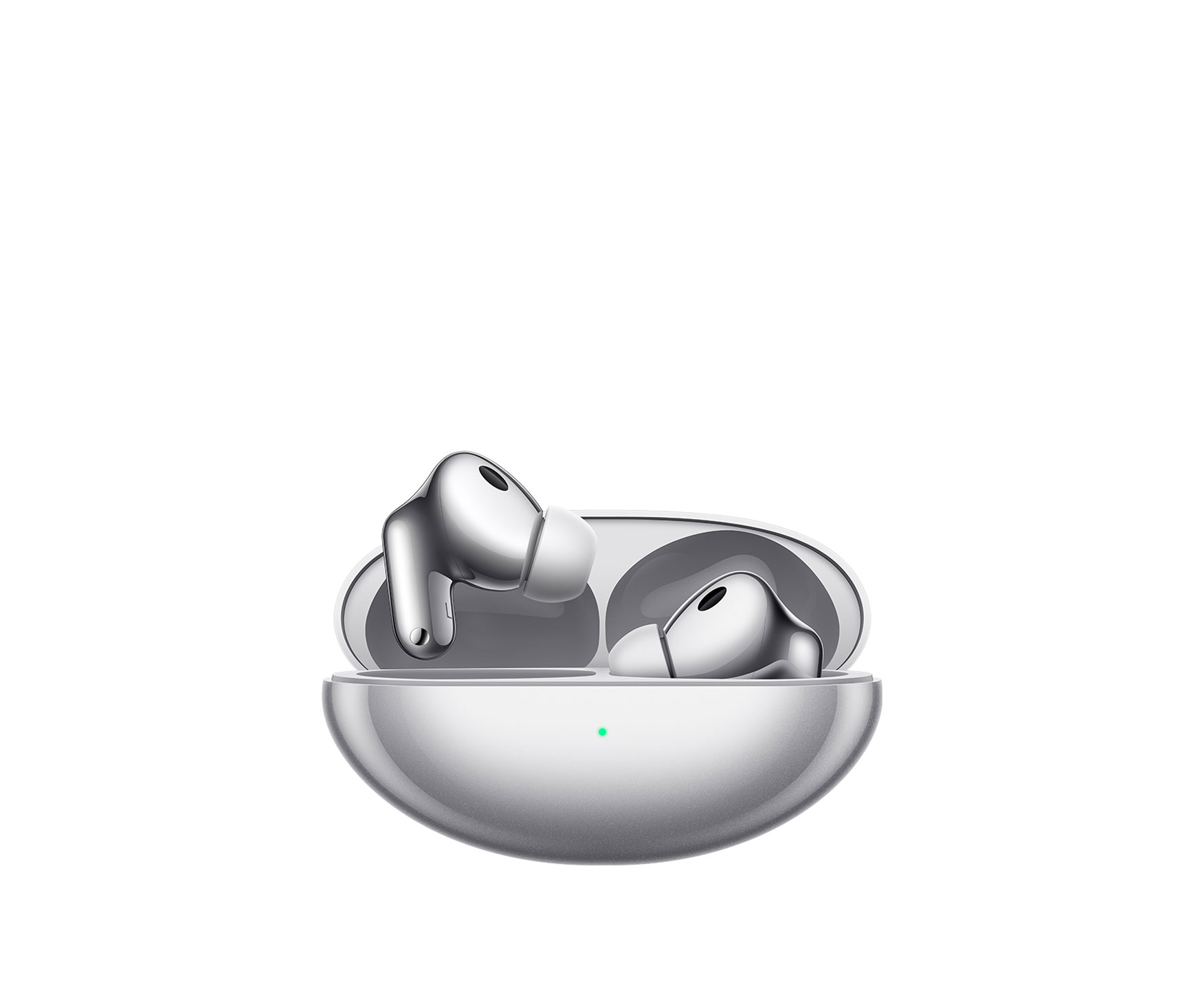
But a good-looking case still isn’t the whole story. It doesn’t tell me whether the earbuds will look right in a particular ear. A light weight doesn’t tell me whether the fit will stay comfortable all day. And a product page can’t prove how the sound or noise cancellation will hold up in a busy street. Those are still real-world questions, not launch-event questions.
Why Are the Wrist and Ear Different Wearable Interfaces?
Put the watches and the earbuds together and the pattern becomes easier to see. The wrist is a visible screen and control surface. The ear is a mostly private audio interface, with the case doing more of the visual work. They do different jobs, but both are worn, touched, removed, charged, and adjusted as part of ordinary movement. That repeated contact is where wearable technology starts to overlap with personal style — the same judgment used in our fashion tech accessories guide and fashion tech trend notes. Not because the company says “style” more often, but because the object has to survive the same small decisions as a ring, a watch, or a pair of glasses: Do I want this on me today? Does it fit the rest of what I am wearing? Will I notice it after an hour?
Huawei’s Munich launch doesn’t prove that watches and earbuds have become fashion objects. It does make the question harder to ignore. The materials, colors, case shapes, watch faces, and controls are part of the technical pitch now, because they decide whether the thing feels like part of your day or something you remembered to put on.
For a wearer, the test is pretty simple: after a week, do you still think about wearing it? If the answer is no, that is when wearable tech has started to become personal style.