
Stylish Headphones: What Actually Makes Them Look Good (It's Not Just Color)
What makes headphones look intentional, not forgotten — side-profile proportion, material on camera, outfit integration, and 5 types worth considering in 2026.
Every “best stylish headphones” list ranks the same way: brand, sound quality, noise cancellation, price, and then a line about available colors. Mint green, blush pink, matte black — as if color were the only thing standing between a headphone and an outfit. It is not. Color is the easiest variable to change and the least important one to get right. What actually makes headphones look intentional in a photo, in a mirror, and on the street comes down to four things most reviews skip — and those four things decide whether anyone looking at you sees a person who made a choice, or a person wearing a product. The same logic applies when styling headphones as accessories or when wired earphones start reading as jewelry rather than cables.
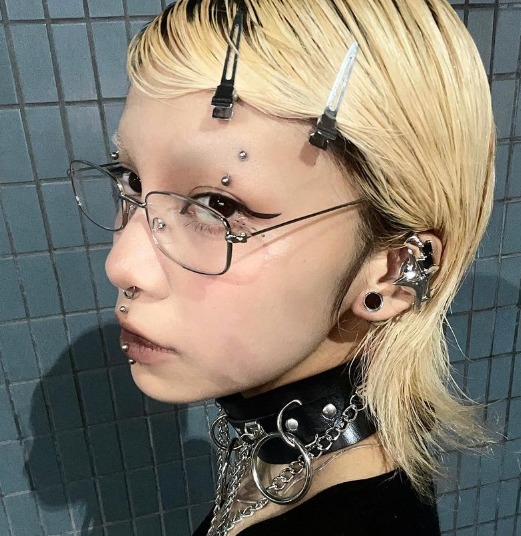
What makes headphones look intentional (not just pretty)
Side-profile proportion
Most people see your headphones from the side. Over-ear cups that extend past the jaw read as equipment. In-ear stems that stick out at an angle read as forgotten devices. Objects that sit close to the ear’s contour and match the scale of a stud, a hoop, or a drop earring read as accessories.
The mirror test: Look at your headphones from a three-quarter angle. If the first thing you notice is the product, it is interrupting your silhouette. If the first thing you notice is your face and outfit, the headphone registers as integrated.

Material on camera
This is where the split between photogenic headphones and ordinary earbuds becomes obvious. Plastic reflects light evenly and flatly — same look under ring lights, daylight, and flash. Metal and stone have variable surface behavior: they catch highlights, shift with angle, and create texture that the camera reads as depth.
If you care about stylish headphones for photos — selfies, mirror shots, content creation, or video calls — the material is doing more work than the color. A silver metal body under natural light reads completely differently from a silver plastic body under the same light. One looks like jewelry. The other looks like a gadget.

Outfit integration
Earbuds as accessories follow a simple rule: their material language should match the other metals, stones, or textures in the outfit. Silver jewelry → silver-toned earbuds. Gold → gold-toned. No jewelry → the earbuds become the only accessory, and simpler is better. Visible tech accessories that integrate do not need to hide. They need to belong. The difference is coherence, not discretion.
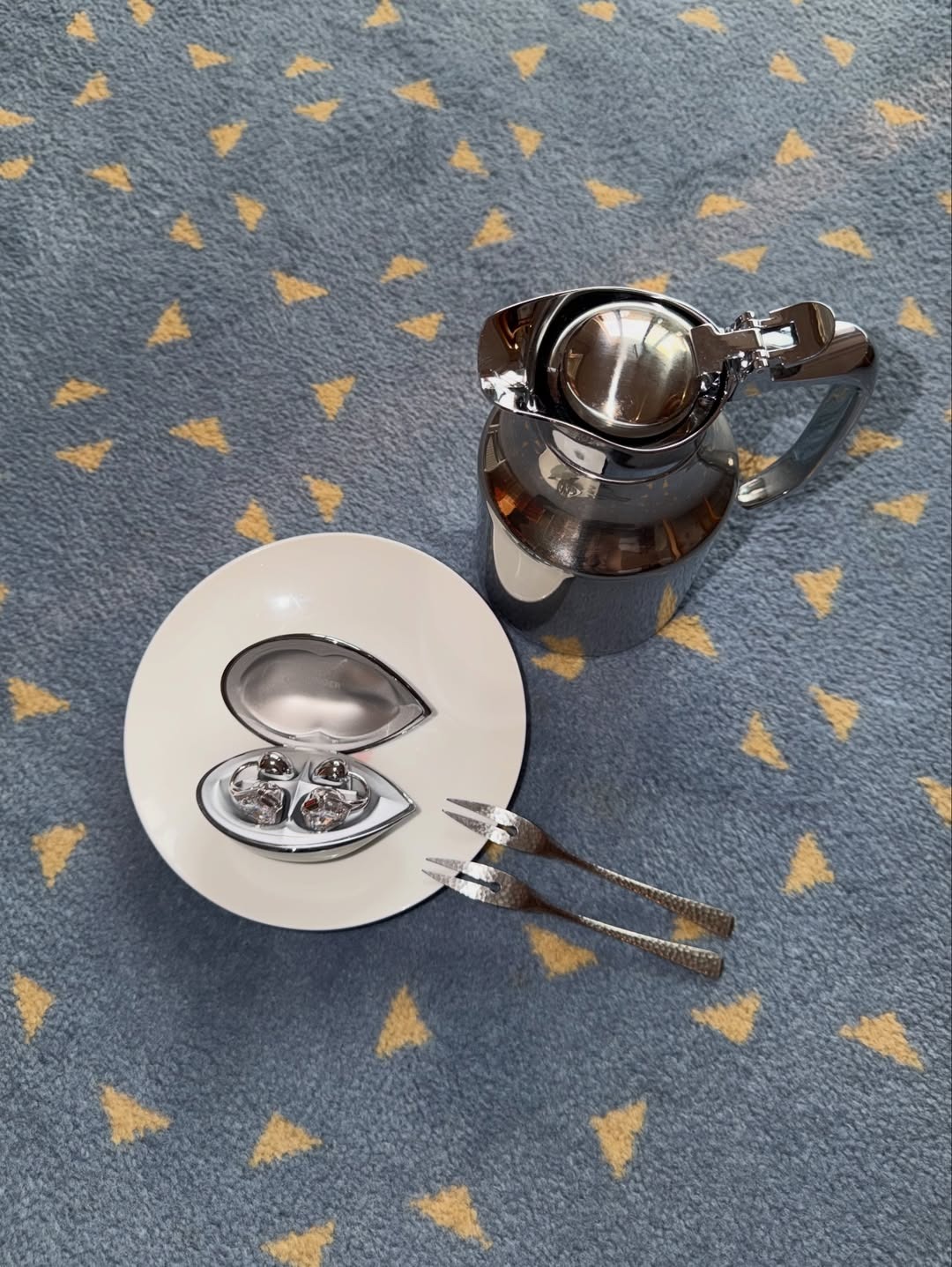
Intentional visibility
Can a stranger tell the headphones are part of your look? Or do they assume you walked out still wearing them from your commute? Over-ear headphones usually fail this test at dinner. Small in-ear buds fail in the opposite direction — they disappear entirely. The middle ground is wearable audio style: visible enough to register as a choice, subtle enough not to dominate.
5 types of stylish headphones worth considering in 2026
The four criteria above apply to all of these. Each type passes the tests in a different way.
1. Transparent-shell true wireless earbuds
Brands like Nothing have made transparent or semi-transparent housings a recognizable design language. The clear shell exposes internal components as a visual feature rather than hiding them — a deliberate aesthetic choice that reads as intentional even at a distance. Best for tech-forward casual outfits where the “designed object” look is welcome. The material test: the transparency itself is the design. If the internal components look messy or cheap through the shell, the transparency works against the piece rather than for it.
2. Gemstone or jewelry-scale open earphones
Open earphones designed as ear jewelry — faceted stones, electroplated metal, worn as drop earrings. The strongest candidates for outfit integration because they read as accessories first and tech second. Products in this category include OFHUNGER’s Electronic Gems (gemstone + white gold plated metal) and Motorola’s Swarovski collaboration (crystal elements). The material test: real stone and real metal plating, not a metallic coating over plastic. For a deeper evaluation of whether a piece genuinely reads as jewelry, see the jewelry earbud test.
3. Minimalist over-ear headphones with metal hardware
Over-ear headphones with aluminum cups, steel headbands, and genuine leather or woven-fabric ear pads. Brands like Bang & Olufsen, Master & Dynamic, and Apple (AirPods Max) occupy this space. The material test: the cups should feel like metal when tapped, not plastic with a metallic coating. The proportion test: over-ear headphones are the loudest form factor — they work best with structured outfits (blazers, coats, streetwear layers) that can absorb the visual weight.
4. Clip-on open earphones with no stem
Ear-cuff-style earphones that clip to the ear’s cartilage without entering the canal or projecting a stem. Huawei FreeClip and similar products sit here. They read as modern ear cuffs rather than as earbuds, which makes them one of the most naturally “accessory-like” formats. The proportion test: the clip should follow the ear’s contour, not bulge past it. For how this format fits and stays on, see our ear cuff earbuds guide.
5. Sculptural or design-fiction earphones
Earphones where the form is designed as sculpture — architectural profiles, design-fiction references, dramatic silhouettes that project past the ear. These are the highest visual volume and the most editorial. They work best when they are the only accessory — everything else steps back. Products like OFHUNGER’s NEBULA line and emerging independent audio-jewelry designers explore this territory. The material test: the body should be metal, not plastic. The proportion test: it should alter the head’s silhouette intentionally, not accidentally.
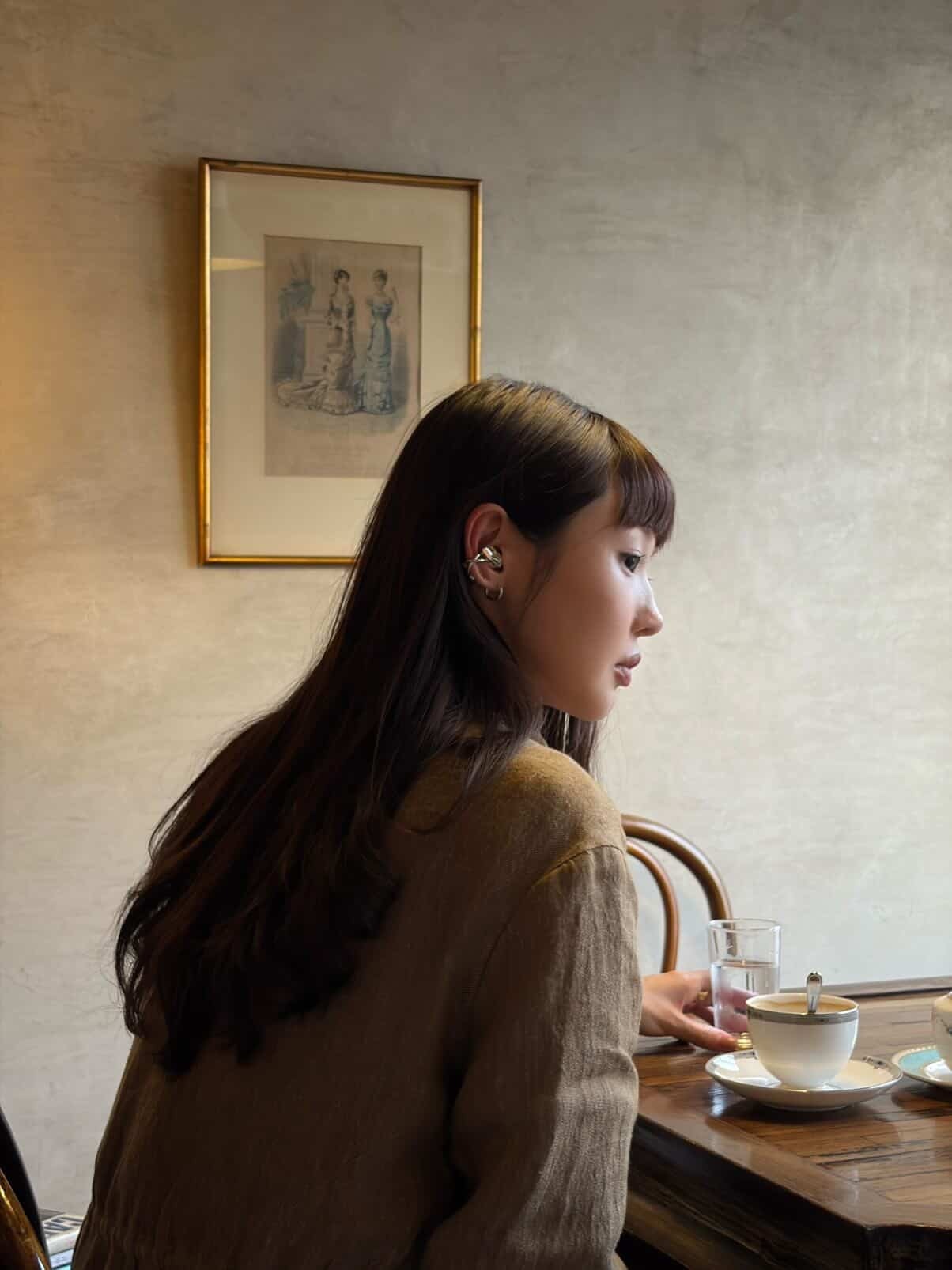
The photo test
Before committing, take a side-profile selfie in natural light. View the image at thumbnail size — the same size someone sees it in a social feed.
Pass: The headphones are visible, identifiable as a choice, and not competing with your face. Fail — invisible: Switch to a larger or more reflective piece. Fail — dominant: Switch to a smaller form factor or a quieter surface.
To see how different pieces look on real people in real outfits — not studio renders — browse the OFHUNGER Style page for community photos, or visit the full collection to compare form factors. For occasion-matched recommendations, see the Gift Guide.
The one-line version
Stylish headphones are not headphones in a nice color. They are headphones that pass the same test as any other accessory: when someone looks at you wearing them, do they see a person who made a choice, or a person wearing a product?