
How to Make Headphones Look Like Accessories, Not Afterthoughts
Three styling strategies — blend, repeat, contrast — and five outfit formulas for making headphones look like part of your outfit, not something you forgot to take off.
Headphones look like accessories when they have a readable relationship with the outfit around them. They look like afterthoughts when they do not. The difference is not about buying a more expensive pair or choosing a trendier color. It is about how the object connects to the rest of what you are wearing — through shared color, repeated shape, deliberate contrast, or proportional fit. There are three strategies that produce this connection: blend the headphones into the outfit so they nearly disappear, repeat an element from the outfit so the headphones become a second echo of something already present, or contrast the headphones against a quiet outfit so they become the single focal point. Pick one strategy per outfit. Execute it. That is the entire method— the same standard as stylish headphones judged by form, not just color. They look like afterthoughts when they do not. The difference is not about buying a more expensive pair or choosing a trendier color. It is about how the object connects to the rest of what you are wearing — through shared color, repeated shape, deliberate contrast, or proportional fit. Wired pairs can do this too; see wired earphones as a fashion accessory. There are three strategies that produce this connection: blend the headphones into the outfit so they nearly disappear, repeat an element from the outfit so the headphones become a second echo of something already present, or contrast the headphones against a quiet outfit so they become the single focal point. Pick one strategy per outfit. Execute it. That is the entire method.
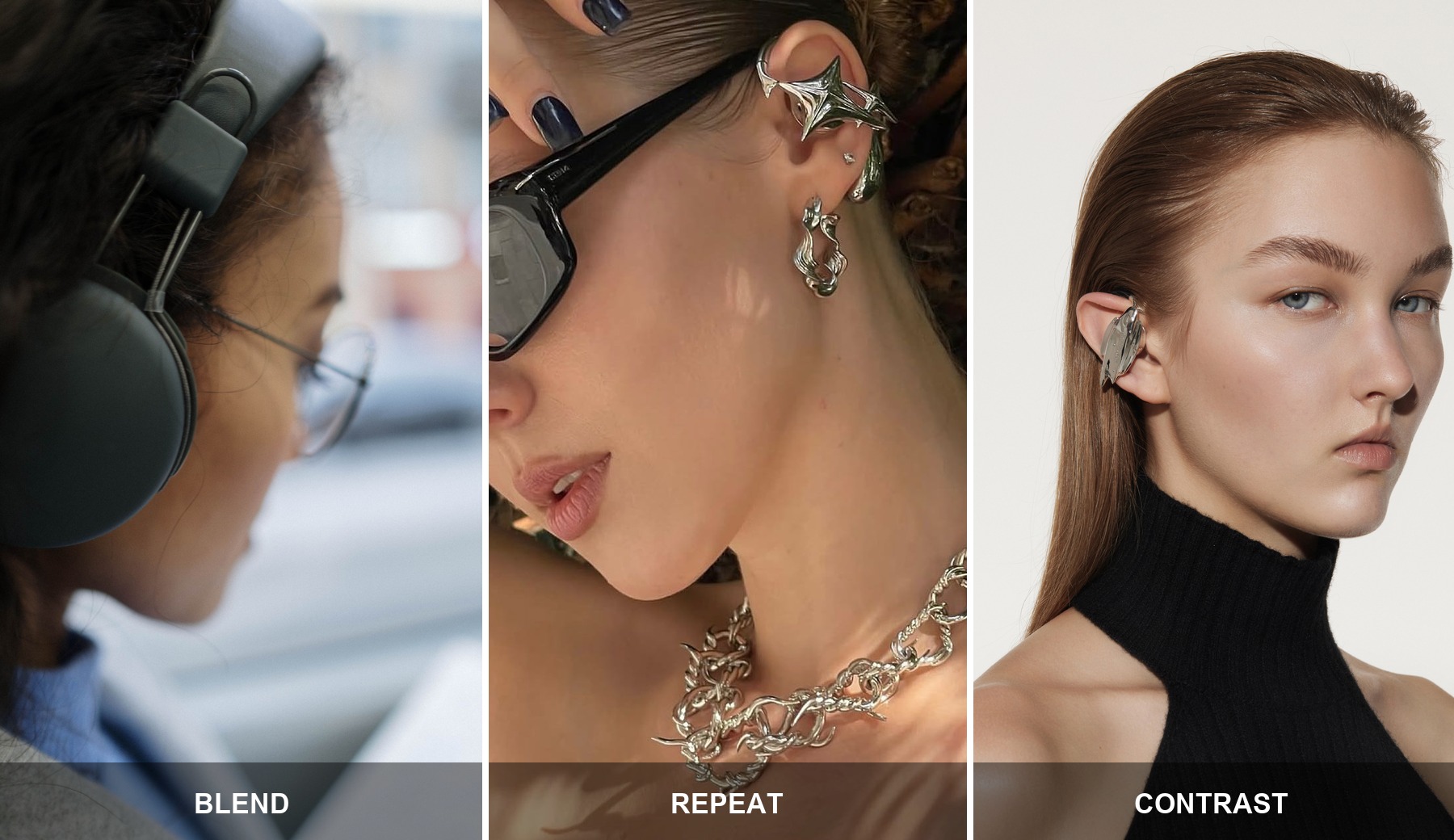
What makes headphones feel intentional in an outfit?
The short answer: a visible relationship between the headphones and at least one other element you are wearing. When a stranger looks at you and can see why the headphones are there — because they match your rings, because they echo your jacket’s hardware, because they are the only metallic object against an all-black base — the headphones feel intentional. When no such relationship exists, they feel like a commute leftover.
The visual criteria for judging whether a specific pair of headphones can serve this role — side-profile proportion, material behavior on camera, and outfit integration potential — are covered in depth in our four-criteria guide to stylish headphones. This article picks up where that judgment ends: you have a pair that passes the visual test, and now you need to know how to wear it.
Three strategies: blend, repeat, or contrast
Every successful headphones-as-accessories outfit uses one of these three relationships. Mixing them on the same outfit creates confusion. Pick one.
Blend — disappear into the outfit
Blend means the headphones match the outfit’s dominant color or tone so closely that they become part of the texture rather than a separate object. The goal is not to hide them — they are still visible — but to eliminate the visual gap between “device” and “clothing.”
How to execute: Match the headphone body to your most dominant color. Black headphones into an all-black outfit. Silver earphones against silver jewelry and a grey top. Skin-toned earbuds with pulled-back hair. Reduce all other accessories to the same tone family. The headphones should not be the thing anyone notices first.
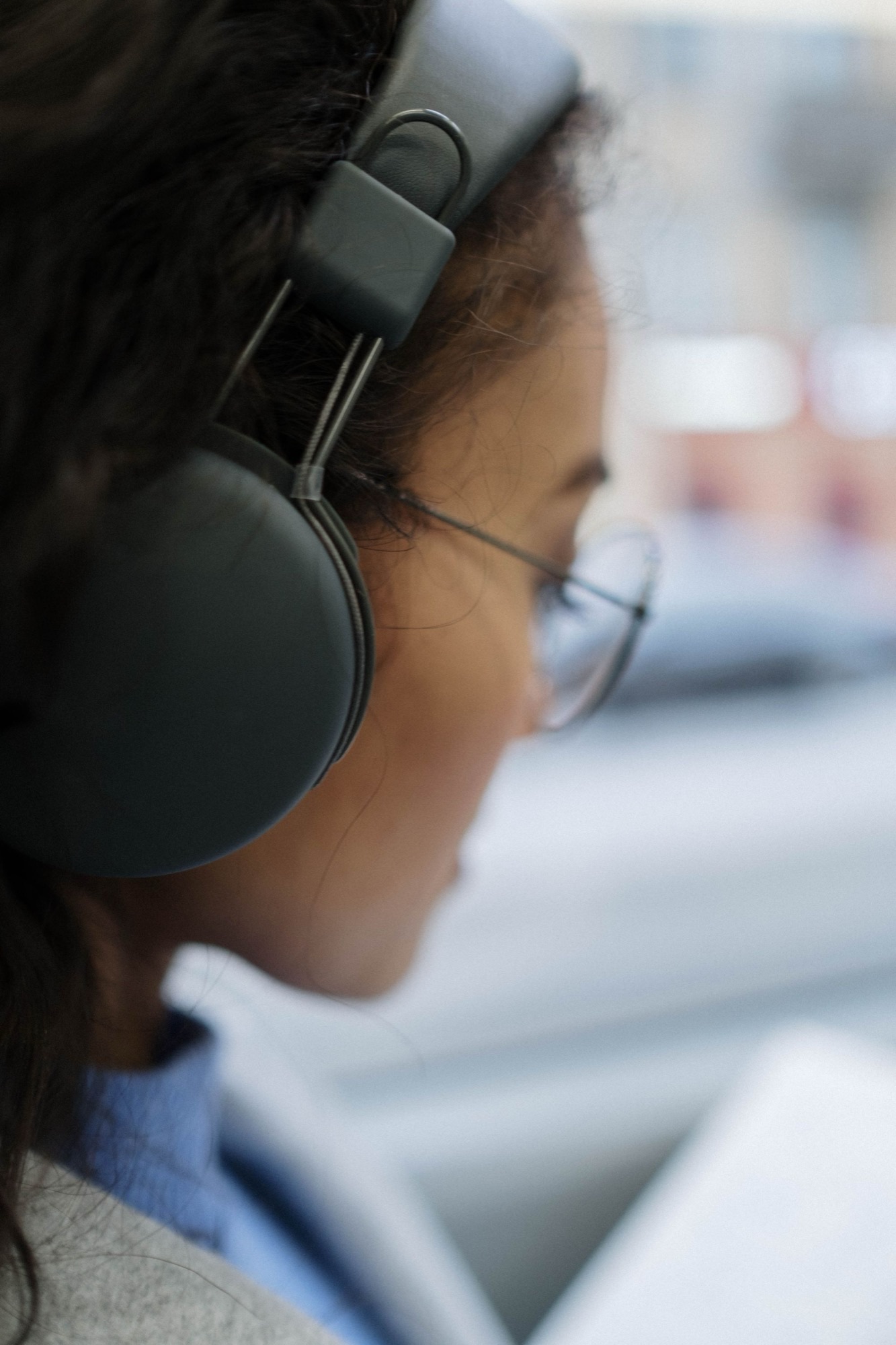
Accessory math: When blending, you can wear more pieces because nothing is competing. A watch, a ring, a bracelet, and blended headphones can coexist because they all read as one tonal layer.
Repeat — echo something already there
Repeat means the headphones share one specific visual element with something else in the outfit — a metal tone, a shape, a material finish. The headphones become the second appearance of that element, which makes them feel coordinated rather than added.
How to execute: Identify the most visible material or shape in your accessories. If you wear silver rings, choose silver headphones. If your bag has chrome hardware, let the headphones continue that chrome. If your earrings are geometric, a geometric earphone silhouette extends the pattern. The headphones are not the first instance of the element — they are the confirmation.
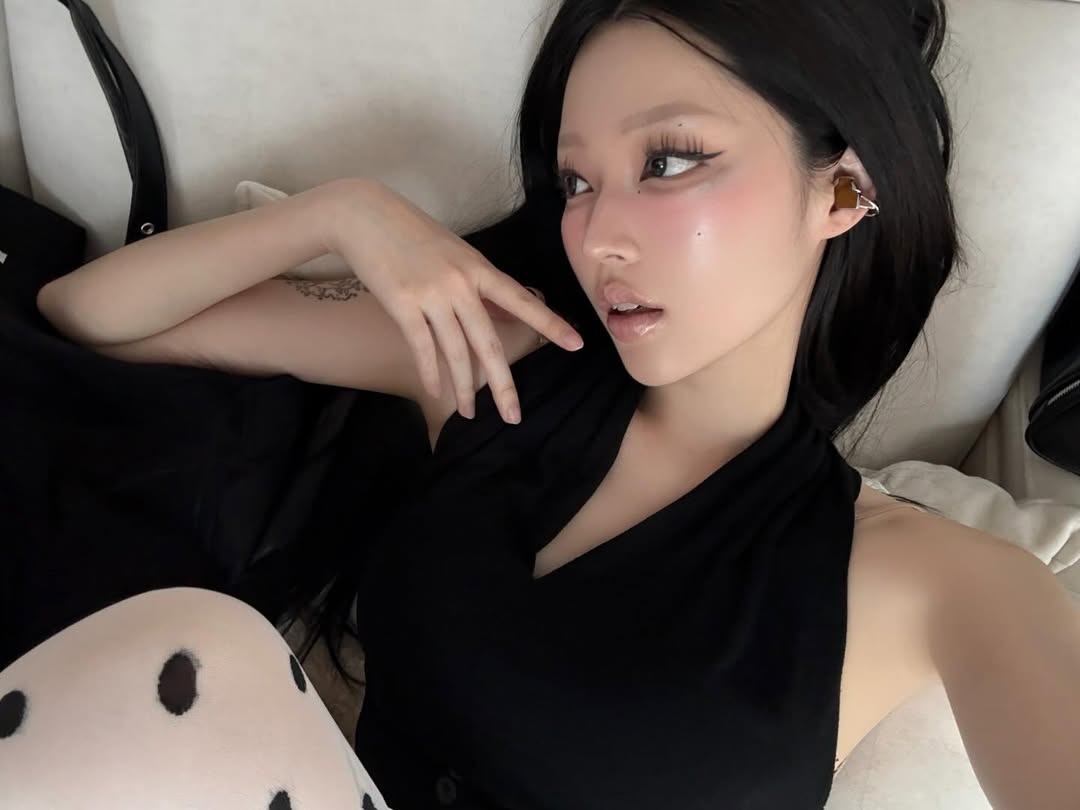
For the jewelry side of this equation — which statement pieces layer well and how to coordinate metal tones across multiple accessories — see statement jewelry brands that are easy to style. For how specific metal and gemstone finishes interact with hair color and outfit temperature, see our finish-matching guide.
Accessory math: When repeating, keep the total count moderate. Two to three pieces sharing the repeated element is cohesion; five pieces is a costume.
Contrast — make the headphones the only event
Contrast means the headphones are the single most visually prominent object in the outfit, and everything else steps back to let them lead. This works best with sculptural, metallic, or gemstone-surfaced headphones against a minimal, muted base.
How to execute: Dress in a single neutral tone — black, white, grey, navy. Remove competing accessories: no statement earrings, no bold watch, no patterned scarf. Let the headphones be the one object that breaks the monotone. The visual logic is the same as wearing a single bold ring with an otherwise plain outfit — one point of interest, clearly chosen.
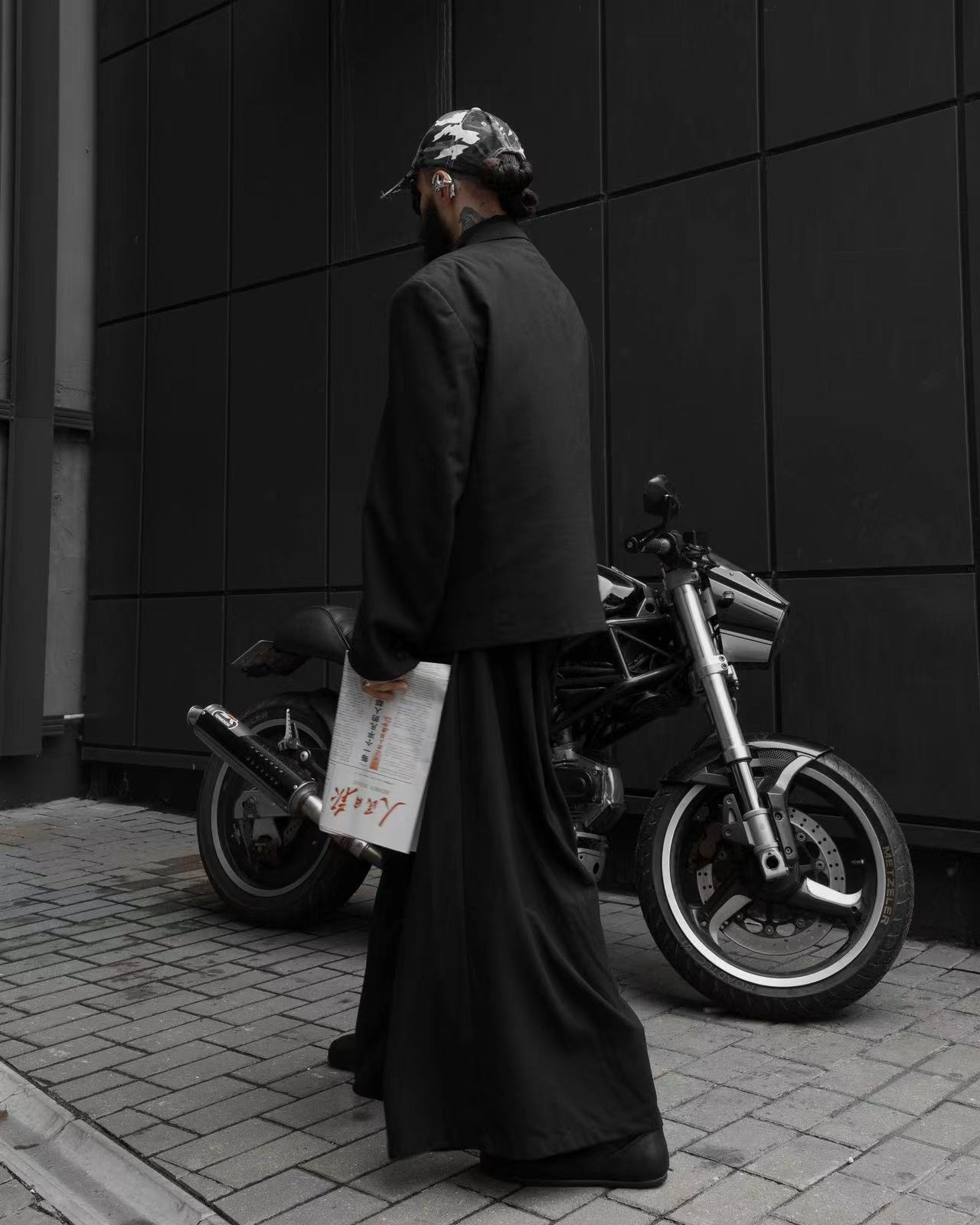
Accessory math: When contrasting, fewer is always better. The headphones plus one quiet piece (a thin chain, a plain watch) is the ceiling. Two bold accessories cancel each other out.
Match the form to the outfit silhouette
Not all headphones occupy the same visual space. The form factor determines how much of the head and face the device affects, which determines what kind of outfit it can integrate with.
| Form factor | Visual volume | Best outfit pairing | Watch out for |
|---|---|---|---|
| Over-ear headphones | High — covers ears, crosses the head, changes the entire silhouette | High-collar, structured, or oversized outfits that can absorb a large accessory. Streetwear, outerwear, editorial. | Delicate or fitted outfits where the headphone visually outweighs the clothing. |
| Ear-hook / sport open-ear | Medium — wraps the ear, visible from the side | Athleisure, casual daywear, transitional outfits between activity and social. | Formal or evening contexts where the sporty hook reads as out of place. |
| Ear-cuff / clip-on earphones | Low-medium — sits on the ear’s edge, visible but compact | Most daily outfits, from casual to smart-casual. Flexible across contexts. | Very minimal outfits where even a small device might be the loudest object — decide if that is blend or contrast. |
| Jewelry-scale open earphones | Low — reads as an earring rather than a device | Anything an earring would work with — dinner, office, evening, daily. | May disappear in visually busy outfits or at wide-shot distances. |
For how ear-cuff formats specifically fit and stay on, see our ear cuff earbuds guide. For how jewelry-scale earphones pass the “does it look like jewelry?” test, see earbuds that look like earrings.
It is worth noting that the trend of treating audio devices as visible style objects is not limited to wireless formats — wired earphones are also returning as fashion accessories, with a different visual logic and a different set of outfit pairings.
Outfit formulas for visible audio
Five ready-to-use combinations. Each specifies the outfit base, the headphone’s visual role, and what to do with other accessories.
1. All-black base + silver focal earphone (contrast). Start with a monochrome black outfit — no patterns, no competing textures. Add one silver or chrome earphone as the single metallic break. Remove all other jewelry except a thin silver chain or a plain watch. The earphone is the outfit’s only event. Works for evening, galleries, and minimal daily looks.
2. Soft neutral outfit + one metallic repeat (repeat). Beige, cream, grey, or muted pastels. Wear silver or gold jewelry — rings, a bracelet, a watch. Add an earphone in the same metal tone. The earphone becomes the second or third silver or gold object, reinforcing the existing metal language. Works for brunch, casual meetings, and daytime social.
3. Graphic streetwear + shape echo, not more logos (repeat). Bold prints, layered textures, visible brand graphics. Choose an earphone with a geometric or sculptural silhouette that echoes the outfit’s visual energy without adding another logo. The headphone’s form — not its brand — is what repeats. Works for street style, concerts, and content shoots. For a techwear-specific version of this approach, see our ear cuff and techwear styling guide.
4. Evening look + jewelry-led audio object (repeat → blend). A dressed-up outfit with coordinated jewelry. Choose a jewelry-scale earphone that matches the existing metal and stone language — silver with silver, gemstone with gemstone. The earphone should blend into the jewelry layer rather than contrast against it. The audio function is invisible; the accessory function is primary. Works for dinner, drinks, dates, and events.
5. Capsule wardrobe uniform + permanent audio component (blend). A fixed daily rotation — black trousers, white shirt, grey coat. Choose one earphone in the palette’s metal tone and make it a permanent fixture, the same way a daily watch or ring is a fixture. The earphone never changes; the outfit rotates around it. For a deeper framework on how tech accessories integrate into fixed-palette wardrobes, see capsule wardrobe compatibility.
Two wearable-audio examples with different visual weight
OFHUNGER makes wearable tech designed as everyday accessories — open earphones built as ear jewelry. Two of its lines demonstrate two different visual weights, which map to different strategies above.
High visual weight — contrast and repeat: NEBULA Silver. The NEBULA in Silver has a sculptural, design-fiction silhouette that projects past the ear’s natural contour. It is the kind of earphone that works as a contrast focal point against a quiet outfit, or as a shape-repeat element in a graphic or editorial look. At USD 360, its visual weight justifies clearing other accessories to let it lead. It is not a blend piece — it is meant to be seen.
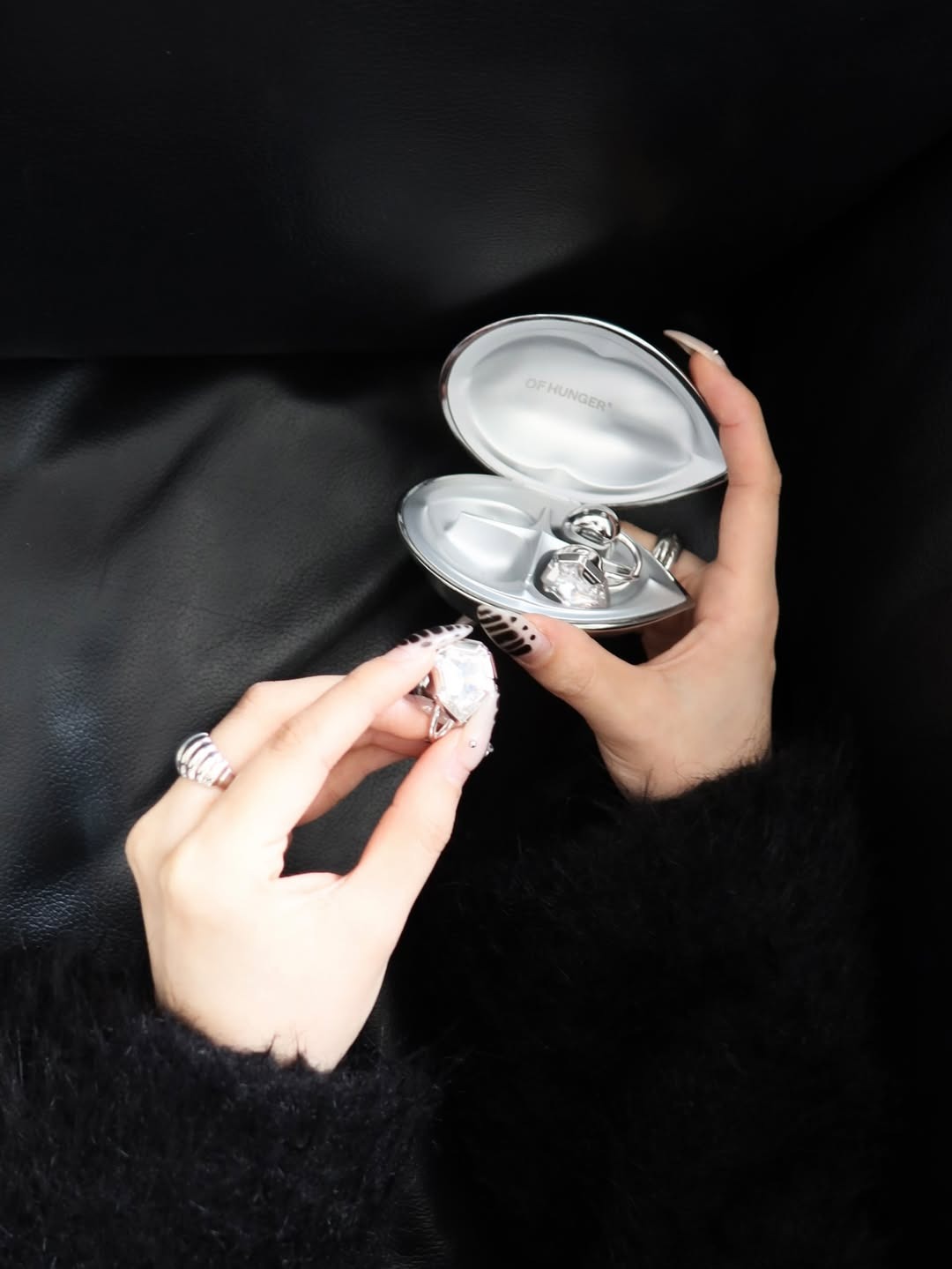
Low visual weight — repeat and blend: Electronic Gems Silver-White Zircon. The Silver-White Zircon has a jewelry-scale proportion — faceted gemstone, white gold plated metal, drop-earring silhouette. It integrates into existing silver jewelry as a repeat element, or blends into a minimal outfit as a quiet daily fixture. At USD 310, it occupies the same role as a mid-range earring: present, intentional, not dominant. For whether this kind of product genuinely reads as jewelry, see the five-part jewelry earbud test.
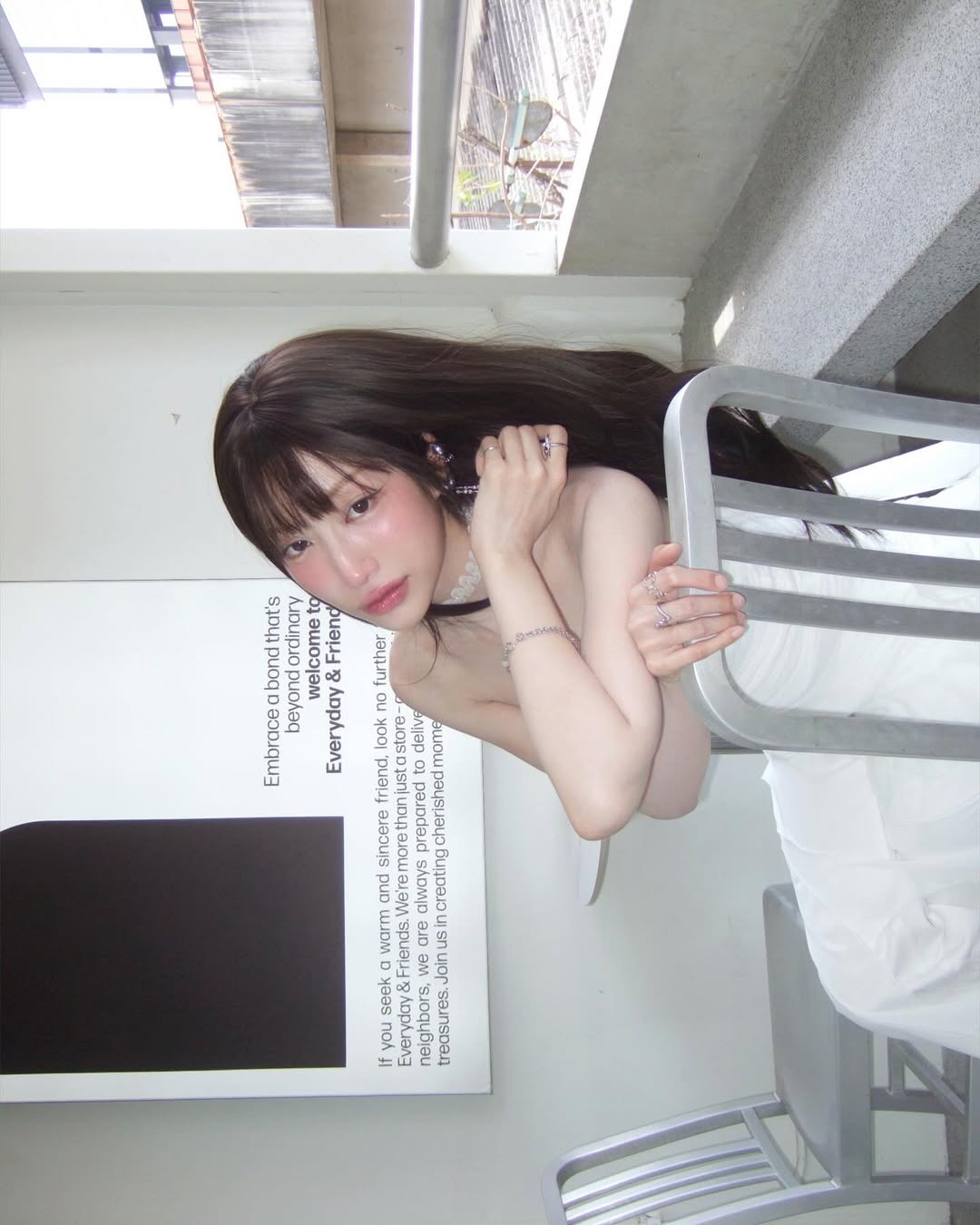
Both are shown in real-world outfits on the OFHUNGER Style page — community photos under real lighting that show how the pieces actually function as accessories, not just as products.
Quick styling checklist
Before you walk out:
- ☐ One strategy. Have you picked blend, repeat, or contrast for today’s outfit?
- ☐ Metal match. Does the earphone’s metal tone match or deliberately contrast with your other metals?
- ☐ Accessory count. If contrasting, have you removed competing pieces? If repeating, are you at two to three shared elements, not five?
- ☐ Form-to-outfit fit. Does the earphone’s visual volume match the outfit’s structure — not too loud for a delicate outfit, not too quiet for an editorial one?
- ☐ Side-profile check. From a three-quarter angle in a mirror, does the earphone look like part of the outfit or like a separate object?
FAQ
Can headphones be fashion accessories? Yes — when they have a visible relationship with the rest of the outfit. The relationship can be color matching (blend), element repetition (repeat), or deliberate focal contrast (contrast). Without one of these, headphones read as a device someone is wearing, not an accessory someone chose.
Should headphones match jewelry metal tone? In almost all cases, yes. Silver with silver, gold with gold. Mixing metal temperatures across the ear and hand reads as accidental unless the entire outfit is built around a deliberate warm-cool clash. When in doubt, match.
How many other accessories should I wear with visible headphones? It depends on the strategy. Blending allows more accessories because nothing is competing. Repeating works best with two to three pieces sharing the same element. Contrasting works best with one or two quiet pieces — the headphones plus one thin chain or a plain watch. The total visual weight should feel balanced, not stacked.
Are earbuds easier to style than over-ear headphones? Generally, yes. Earbuds occupy less visual space, which means they compete with fewer outfit elements and fit across more contexts. Over-ear headphones demand a stronger outfit to match their volume and tend to work best with structured or streetwear silhouettes. Earbuds — especially jewelry-scale formats — integrate with almost anything an earring would. The trade-off is visibility: over-ear headphones make a louder statement, while earbuds may disappear at wider distances.