Why the McBling room's DIY sparkle still appeals
Rhinestone phones, glitter-covered fans and pink furniture capture the McBling room's DIY spirit—and why its handmade excess might appeal again today.
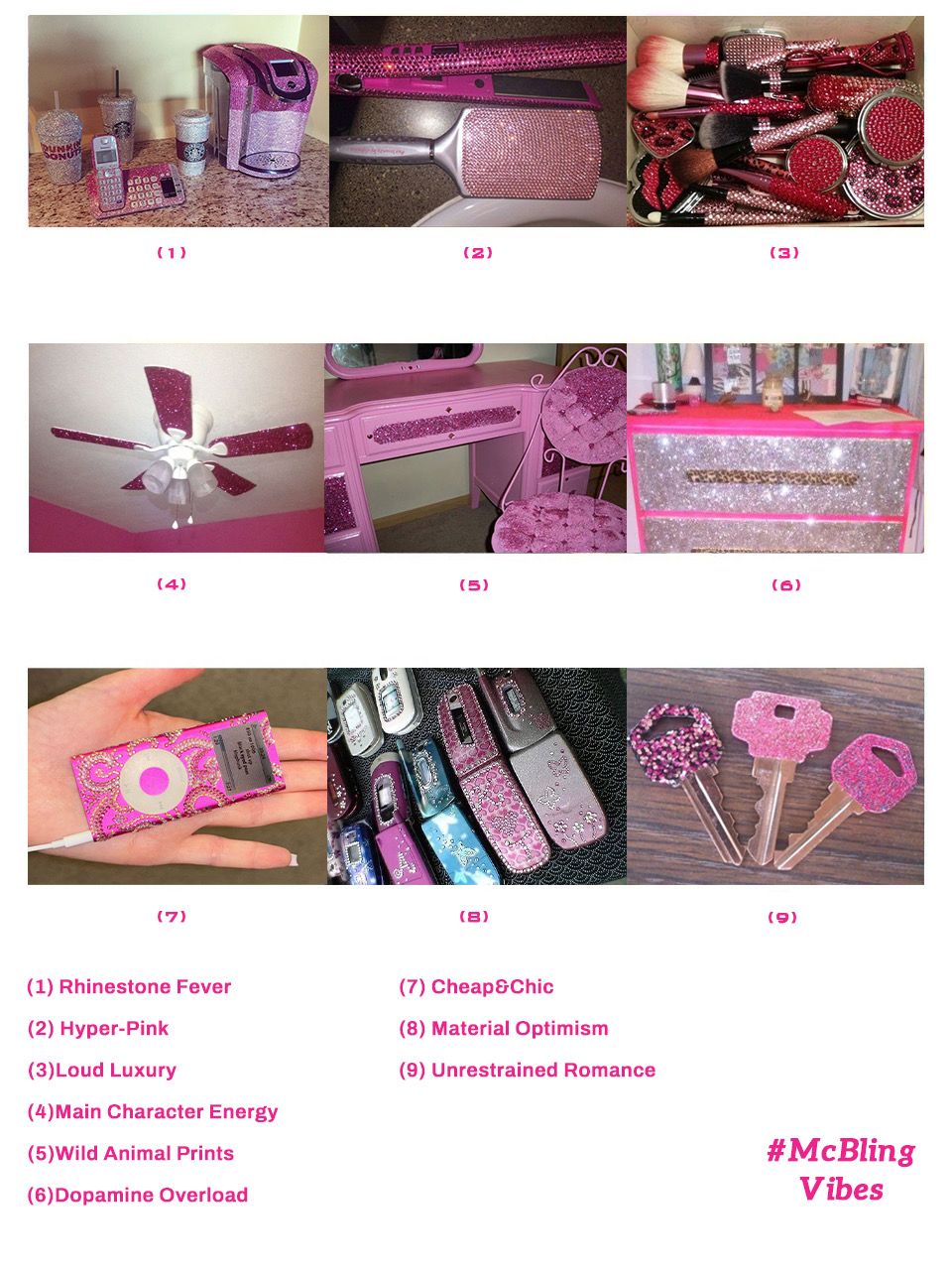
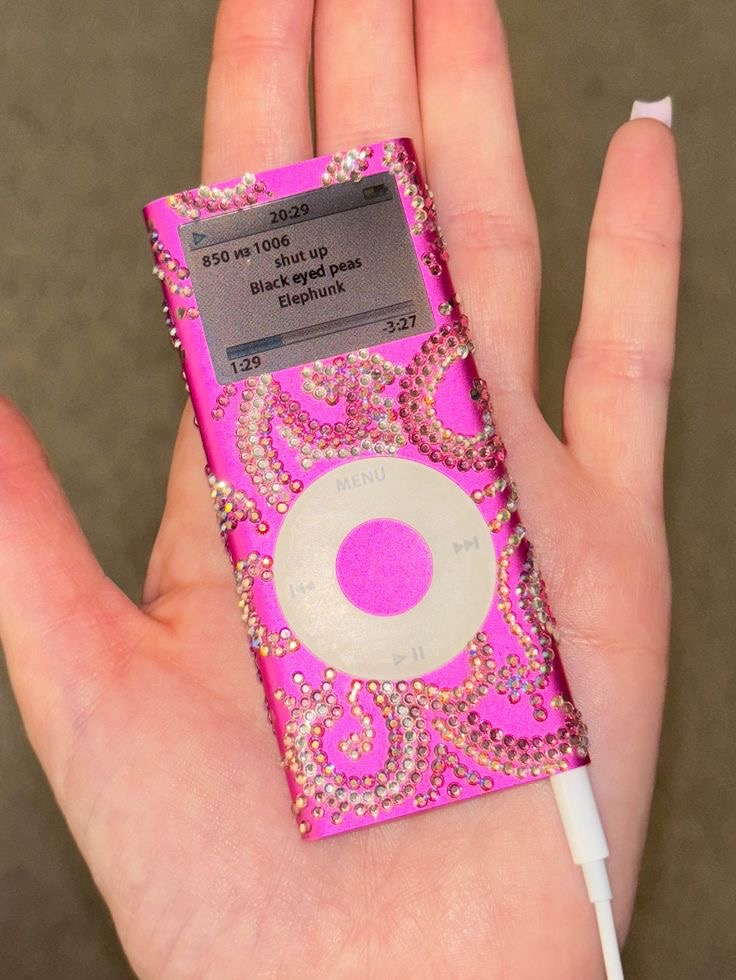
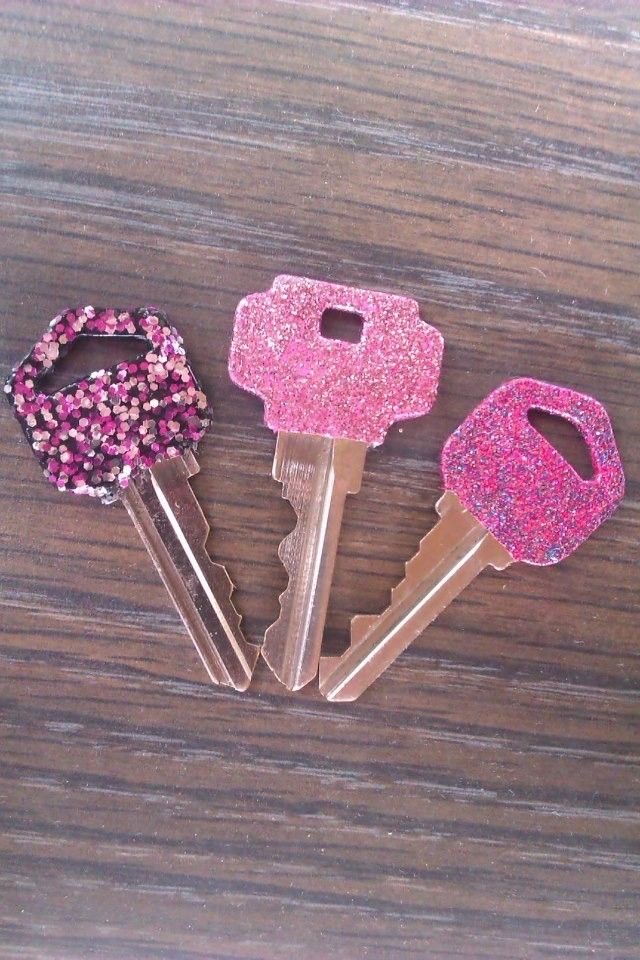
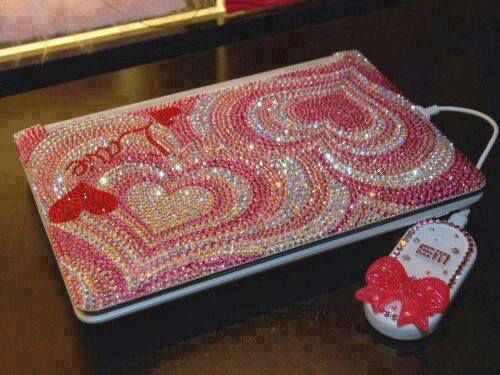
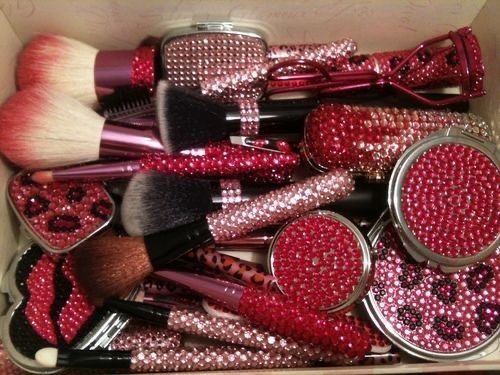
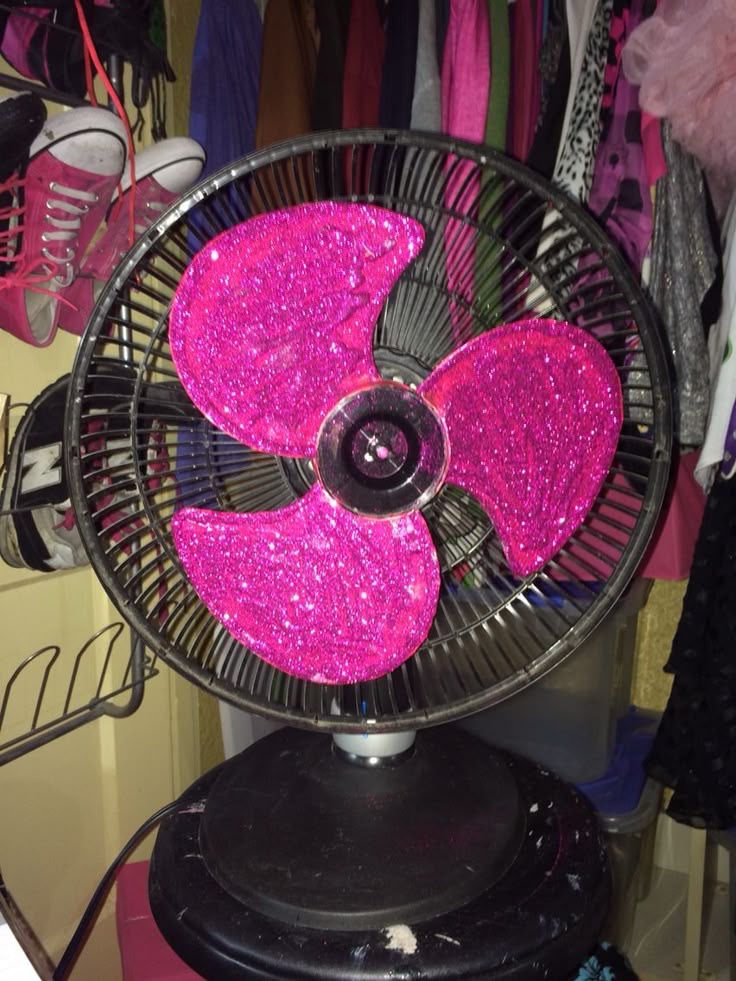
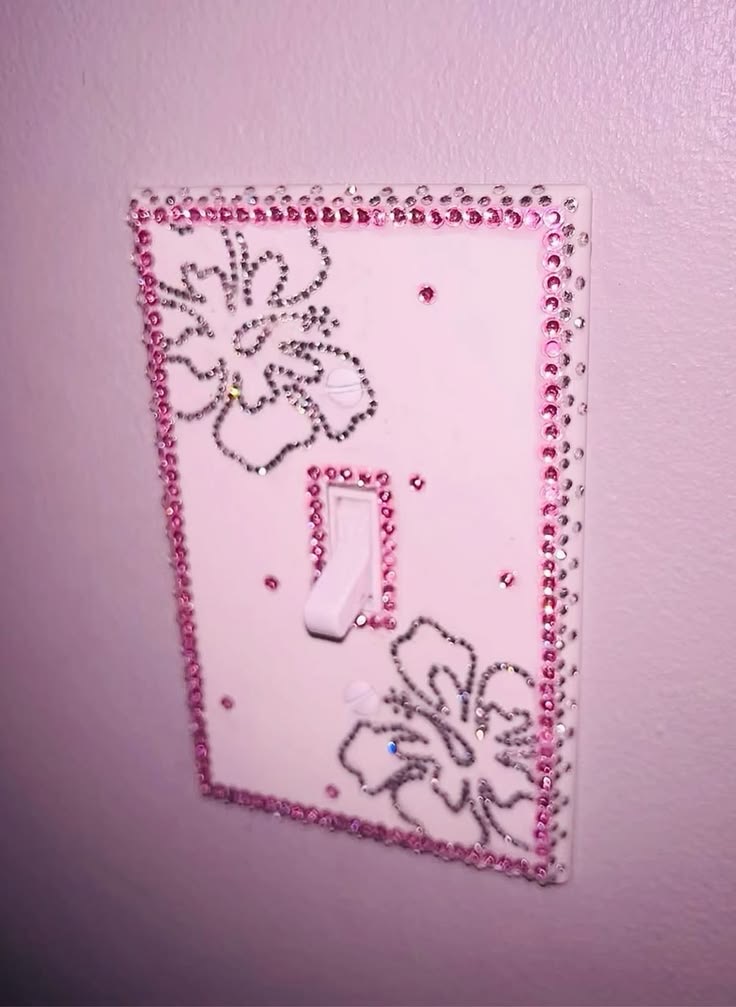
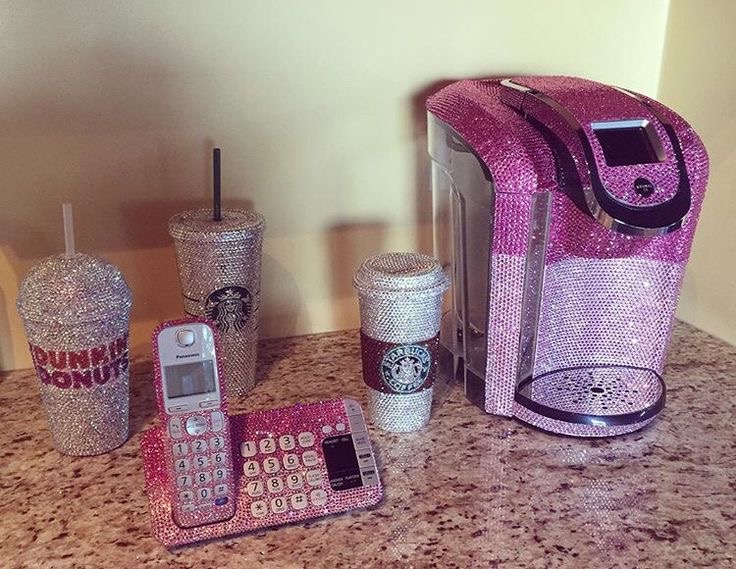
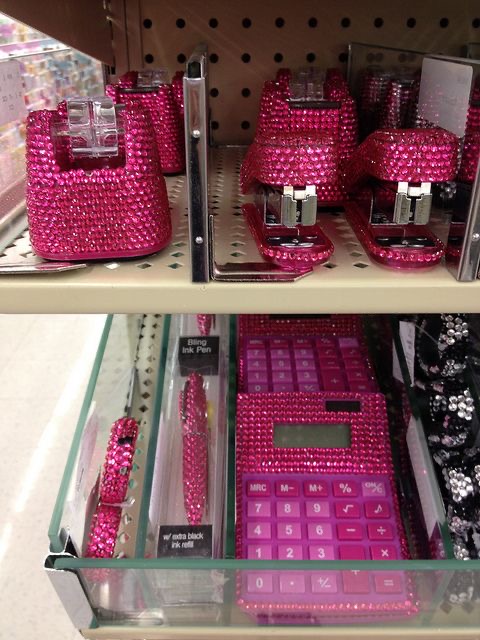
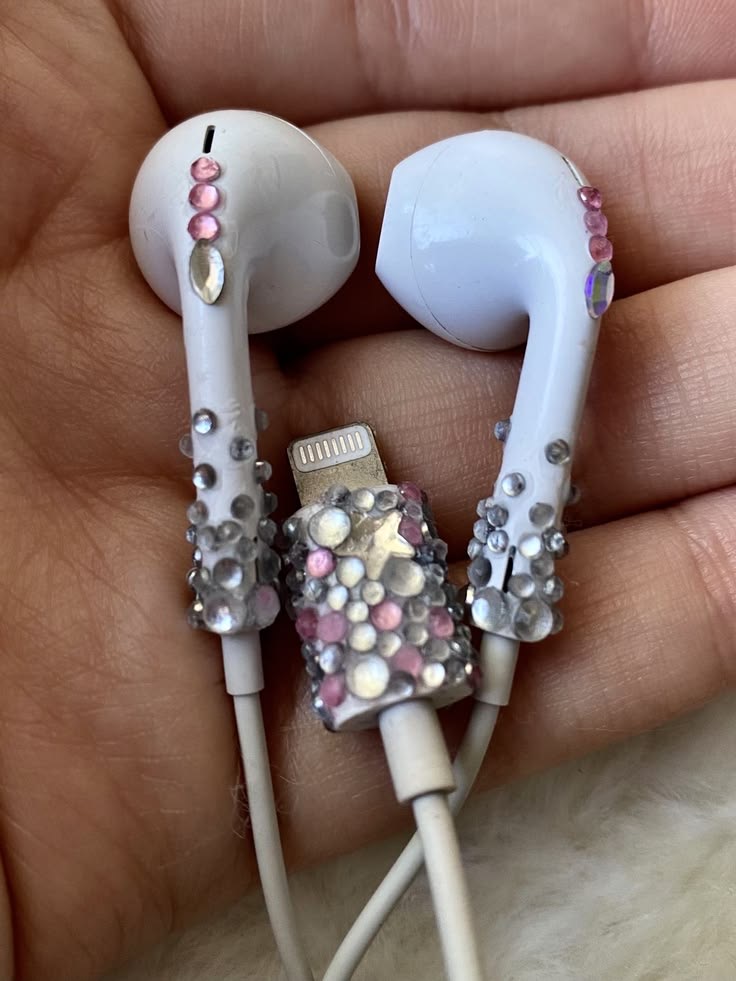
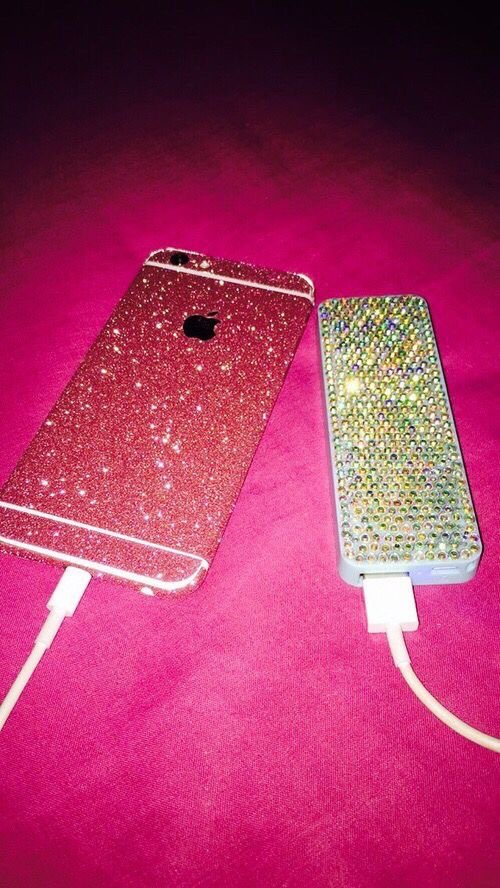
Let’s return to the stereotypical early-2000s girl’s bedroom: a McBling room full of irresistibly sparkling furniture and decorations. Flip phones, cameras and record players are covered in rhinestones; cosmetics and storage boxes pair glittering stones with animal prints. Even mundane plastic fans, light switches and keys get a layer of sparkle. The rhinestone headphones take headphones as accessories to their most decorative extreme.
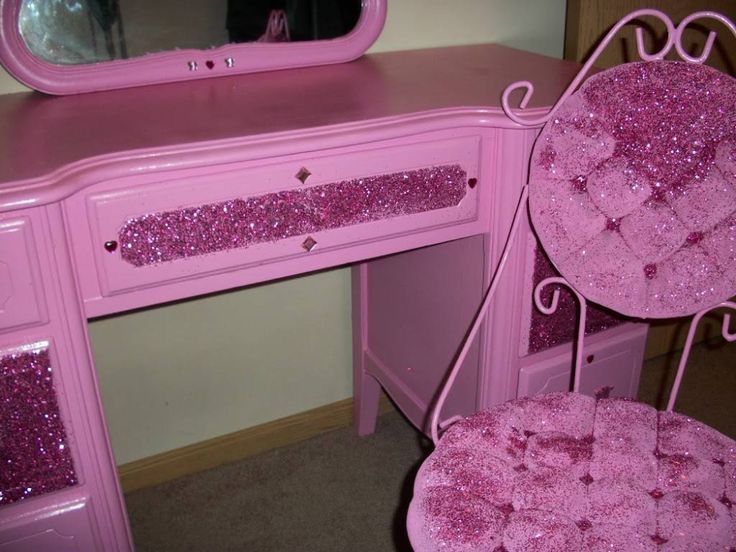
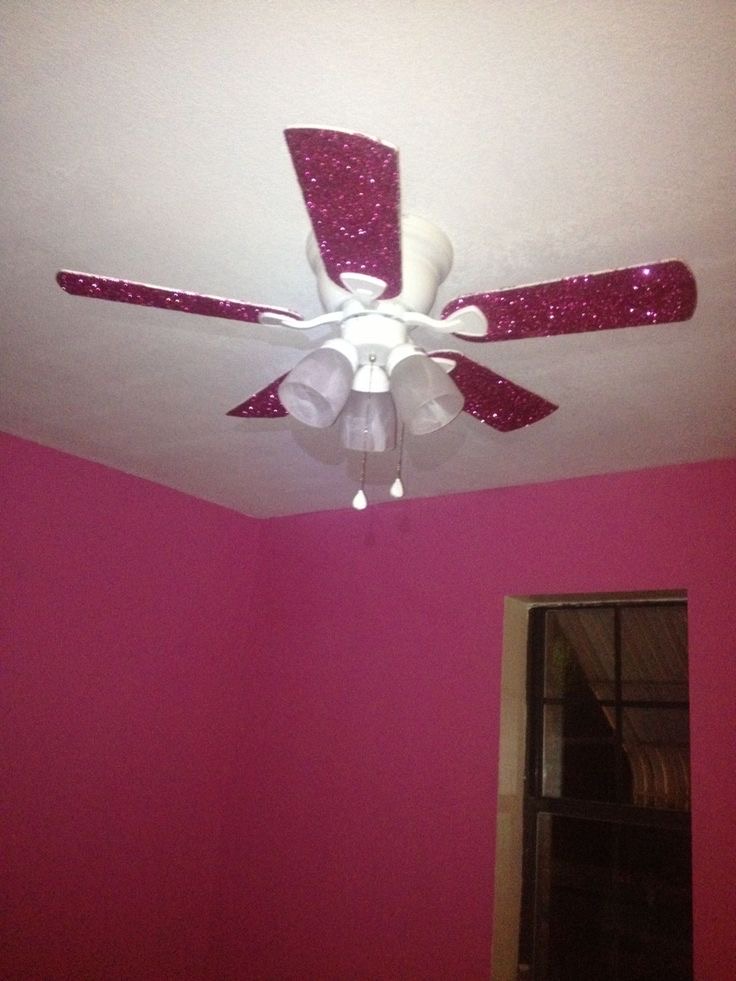
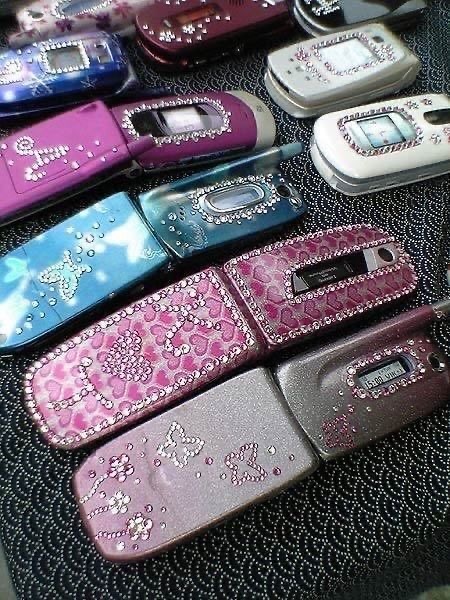
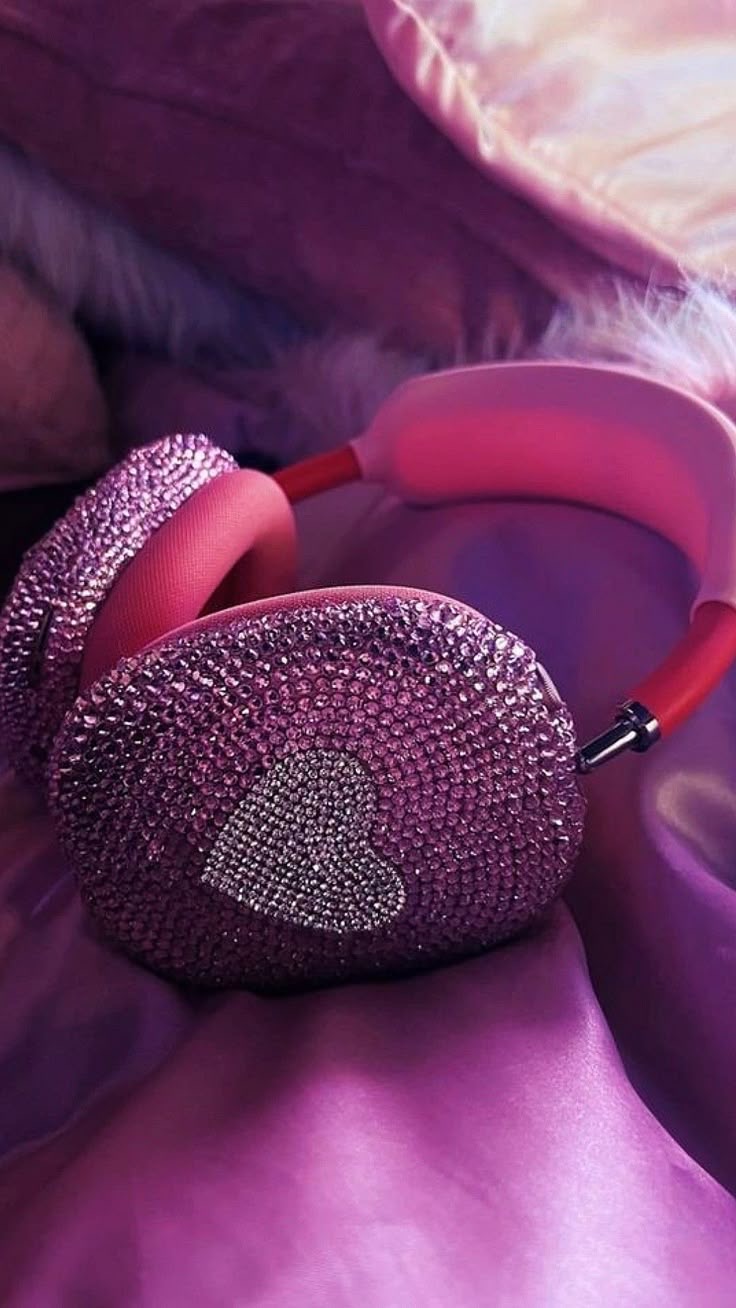
The essence of this aesthetic, known as McBling, is achieving elaborate glamour through simple means. DIY that anyone can try overturns the idea that lavishness belongs to an exclusive few. Visually, it carries forward Y2K’s technological optimism while leaving behind its early metallic futurism, leaning instead into expressions of material desire and vitality. In their own rooms, girls carefully dress up the objects born on assembly lines and adopted into their homes, marking them as their own. Perhaps they are trying to manifest being “Rich & Pretty” through luxurious-looking rhinestones, loud pinks, eye-catching sequins and faux fur in zebra and leopard prints. Paris Hilton and brands such as Juicy Couture and Baby Phat helped popularize the look. The word bling even made its way into Oxford dictionaries.
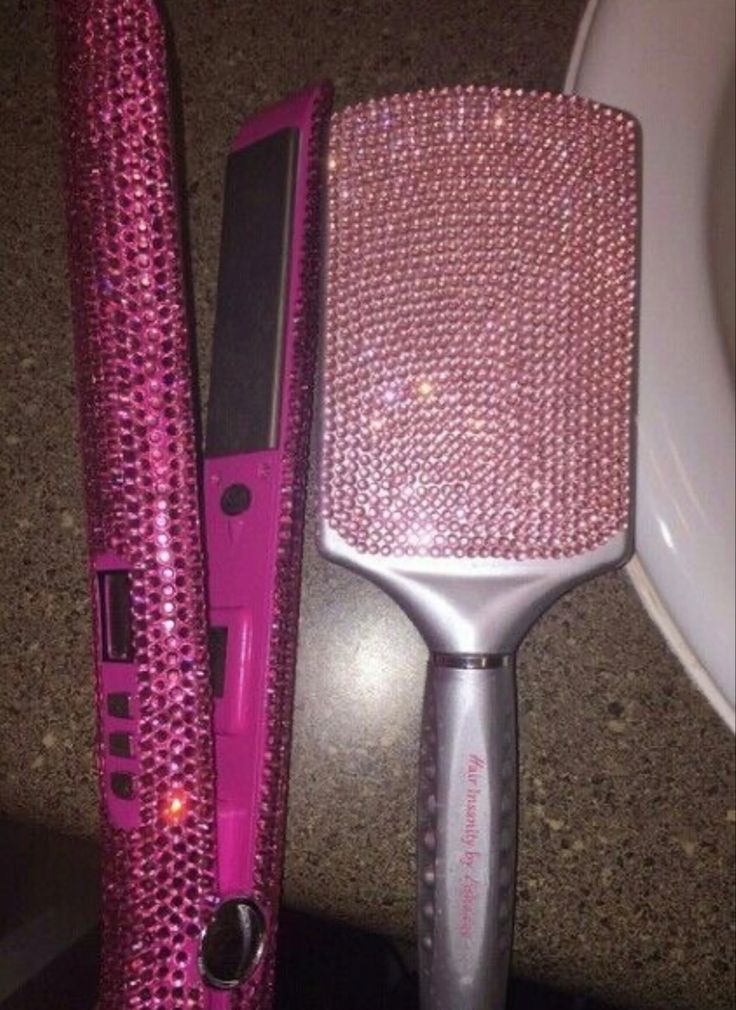
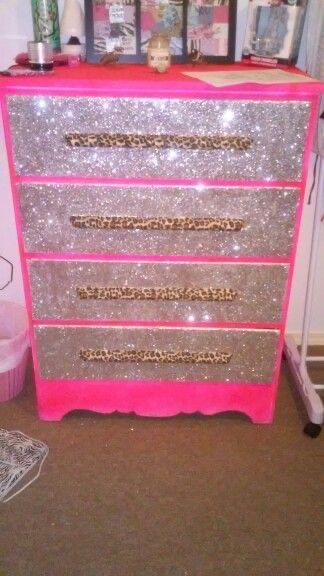
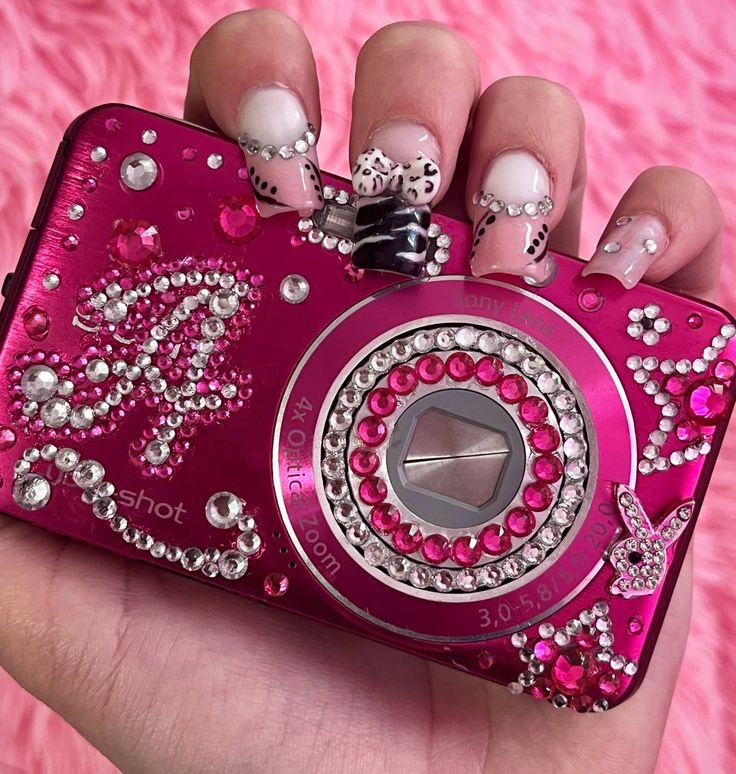
Why, more than twenty years later, do we still look back on this style and try to revive it? Perhaps because we can grow tired of minimalism so clean it feels almost barren, and of its sense of discipline. A digital age full of AI algorithms and data-driven logic needs the vitality of a little awkwardness and the traces of handwork. This style leaves room to transform things by hand, encouraging us to take a more active part in shaping our lives and reclaim control of our personal spaces from the fast-food, assembly-line approach.